

A Guide to Spark Plugs for the 2001-2005 Pontiac Aztek
Keep your Aztek's 3.4L V6 running smoothly by choosing the right spark plugs and tackling this unique replacement job.
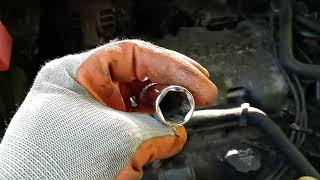
- The most difficult part of the job is replacing the three rear spark plugs due to limited access.
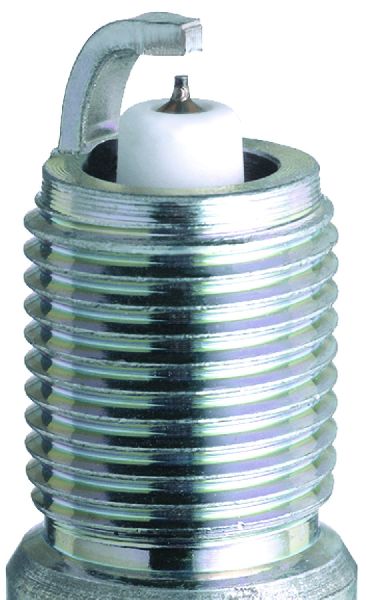
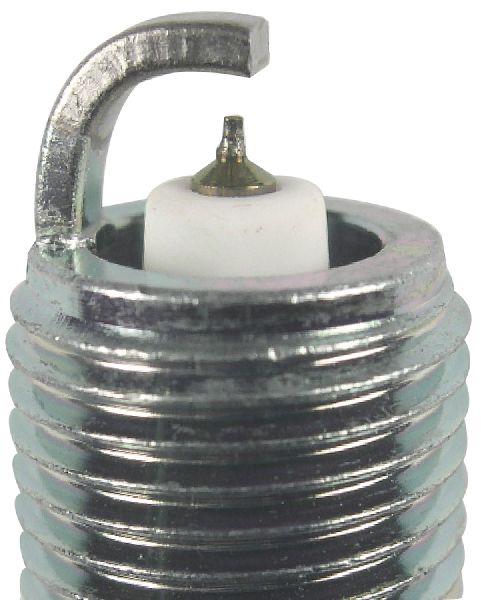
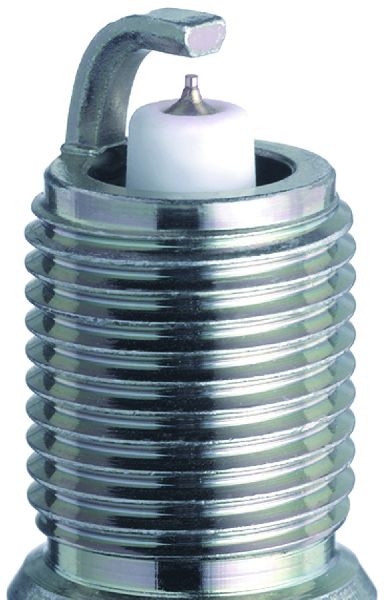
- For best results and longevity, use OEM-equivalent AC Delco or high-quality NGK/Denso Iridium spark plugs.
- It is highly recommended to replace the spark plug wires at the same time as the spark plugs.
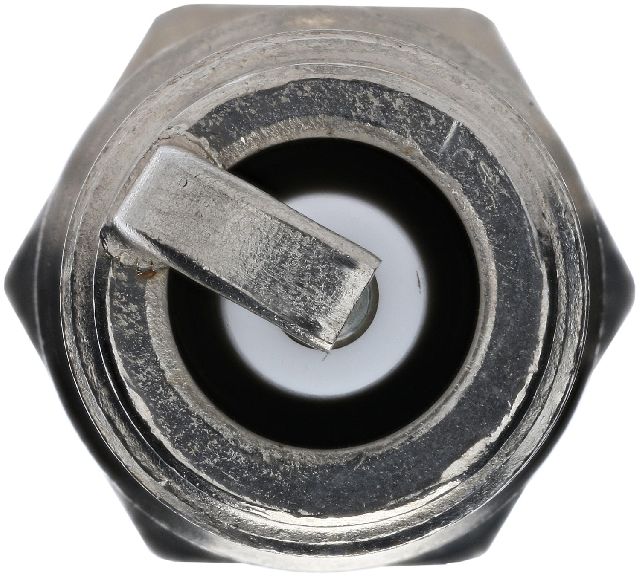
- Always check that the new plugs are gapped to 0.060 inches before installation.
Signs of Failing Spark Plugs
When your Aztek's spark plugs start to wear out, you'll likely notice. The signs can be subtle at first but will get worse over time. Keep an eye out for these common symptoms:
- Rough Idling: Your engine may shake or sound uneven when you're stopped at a light. This happens because a weak spark is causing incomplete combustion in one or more cylinders.
- Engine Misfires: You might feel a hesitation or stumble from the engine, especially when accelerating. A flashing check engine light often accompanies a misfire. 🎬 Watch this video for a budget-friendly way to fix a misfire.
- Reduced Fuel Economy: If you're filling up your gas tank more often, worn plugs could be the cause. A bad plug can reduce fuel economy by up to 30% because unburned fuel is wasted.
- Trouble Starting: Worn-out spark plugs can make it harder for the engine to fire up, especially in cold weather.
- Poor Acceleration: If your Aztek feels sluggish or slow to respond when you press the gas pedal, it could be due to inefficient sparks.
Choosing the Right Aftermarket Spark Plugs
The 2001-2005 Pontiac Aztek came from the factory with AC Delco platinum spark plugs. When choosing replacements, you have several good options. For this GM 3.4L V6 engine, sticking with proven brands is your best bet.
Spark Plug Brand Tiers for Pontiac Aztek
| Tier | Brands | Materials & Notes |
|---|---|---|
| OEM or Equivalent | ACDelco, NGK | The original plugs were AC Delco platinums. NGK is a highly recommended equivalent and is known to be the manufacturer for many AC Delco plugs. Iridium plugs from these brands offer the longest life and best performance. |
| Quality Aftermarket | Denso | Denso is another excellent Japanese brand known for its quality. Their Iridium Long-Life plugs are a great choice for durability and performance. |
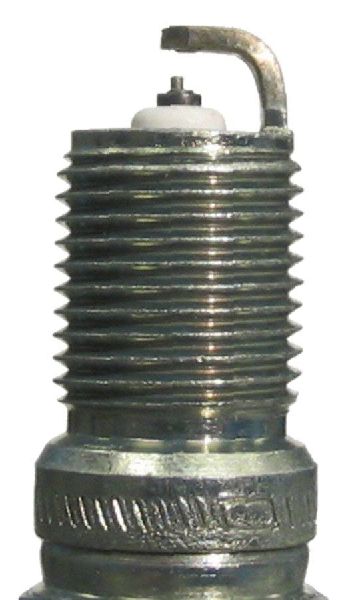
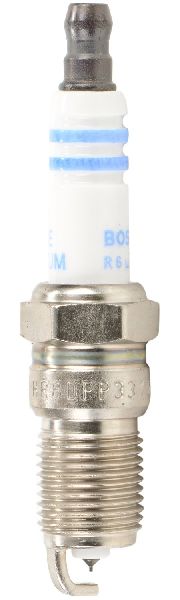
| Standard/Economy | Autolite, Champion | These brands offer affordable copper and platinum options. They are a decent choice for those on a budget but may not last as long as iridium plugs. Some owners have had mixed results with certain Bosch platinum plugs on this specific engine family. |
Pro Tip: Many owners and mechanics strongly recommend using AC Delco or NGK plugs for the GM 3.4L V6 engine to avoid potential issues. While premium iridium plugs cost more upfront, they can last up to 100,000 miles, saving you from the difficult rear plug replacement job for a long time.
Known Issues & Recalls
There are no specific recalls or Technical Service Bulletins (TSBs) for spark plugs on the 2001-2005 Pontiac Aztek. However, there was a recall for the 2004 model year (NHTSA ID: 05V163000) related to a faulty ignition relay that could cause the vehicle to stall. This is an electrical issue, but a stalling engine can sometimes be misdiagnosed as a spark plug problem. It's always good to check if your vehicle has any open recalls.
Installation Tips & Difficulty
Replacing the spark plugs on the Aztek's 3.4L V6 is a tale of two halves. The front three plugs (cylinders 2, 4, 6) are easy to access. However, the rear three plugs (cylinders 1, 3, 5) are notoriously difficult to reach because the engine bay is cramped.
To access the rear plugs, many mechanics find it necessary to use a ratchet strap to pull the engine forward slightly, 🎬 See how to safely roll the engine for better plug access. creating more space. Another method involves working from underneath the vehicle with long extensions and a swivel socket. Because of the difficulty with the rear plugs, this job can be frustrating for a beginner. 🎬 Watch a walkthrough on removing those difficult rear spark plugs. While it is possible to do it yourself, be prepared for a challenge.
Common Mistake: Do not overtighten the new spark plugs. This can damage the threads in the engine's cylinder head, leading to a very expensive repair. Tighten them until they are snug, then give them about an extra 1/8 to 1/4 turn.
Frequently Asked Questions (FAQ)
How often should I replace the spark plugs on my Aztek?
If you use OEM-equivalent platinum or iridium plugs, the recommended replacement interval is typically around 100,000 miles. If you use standard copper plugs, you should change them more frequently, around every 30,000 miles.
What is the correct spark plug gap for the 2001-2005 Pontiac Aztek?
The correct spark plug gap is 0.060 inches. Most quality aftermarket plugs from brands like NGK and Denso come pre-gapped, but it is always a good idea to double-check with a feeler gauge before installation.
Should I use anti-seize on the new spark plug threads?
This is a debated topic. Brands like NGK apply a special trivalent plating to their plugs that acts as an anti-seize, and they do not recommend using additional anti-seize compound. If you do use it, apply only a very small amount to the threads, avoiding the electrode.
Should I replace the spark plug wires at the same time?
Yes, it is highly recommended to replace the spark plug wires when you replace the plugs, especially if they are original. Old wires can become brittle, crack, and cause misfires. Since you have to remove the wires to get to the plugs, it's the perfect time to install a new set.
Helpful Videos



Technical Specifications
OEM Part Numbers: 12568387 25330840 12565030 25161444
Engine: 3.4L V6. Quantity required: 6. Spark Plug Gap: 0.060 inches (1.5mm).
We Have This Part in Stock

The information in this article is provided for general reference and educational purposes only. Vehicle specifications, procedures, and part compatibility can vary by production date, trim level, and region. Always consult your vehicle's factory service manual and verify part numbers before purchasing or performing repairs. Safety-critical components such as airbags, seat belts, and braking systems should be installed by a qualified professional.
- Pontiac Aztek: