

Saturn L300 Oxygen Sensor Guide for 2001-2005 Models
Fix your L300's check engine light, poor fuel economy, and rough idle by choosing the right oxygen sensor.
- Your 2001-2005 L300 V6 has four oxygen sensors: two upstream and two downstream.
- For best results, choose a direct-fit sensor from a quality brand like Denso, NGK, or ACDelco.
- Heater circuit fault codes (like P0135 or P0141) are the most common failures for these sensors.
- If all four sensor codes appear at once, check for a blown fuse before replacing the sensors.
Is Your Saturn L300 Oxygen Sensor Failing?
Oxygen sensors don't last forever. They live in a harsh environment and eventually wear out or get contaminated. When they fail, your car's computer can't properly manage the engine or monitor emissions. The most common sign of a problem is a Check Engine Light on your dashboard. You might also notice your gas mileage getting worse, the engine idling roughly, or hesitation when you accelerate.
Don't Ignore a Failing O2 Sensor
While you can usually drive with a bad oxygen sensor, it's not a good idea for long. A faulty sensor can lead to poor fuel economy, increased emissions, and potentially damage your expensive catalytic converters over time.
Choosing the Right Aftermarket Oxygen Sensor
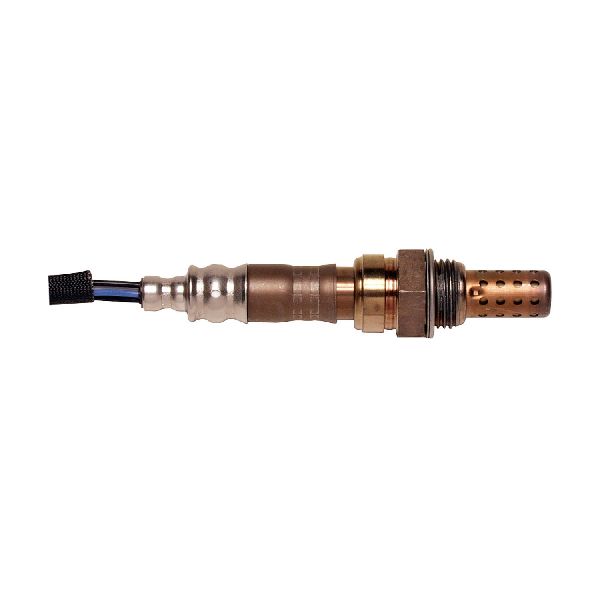
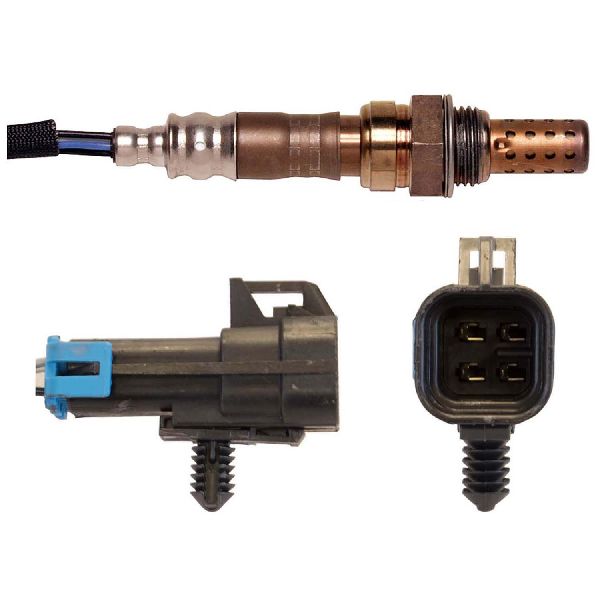
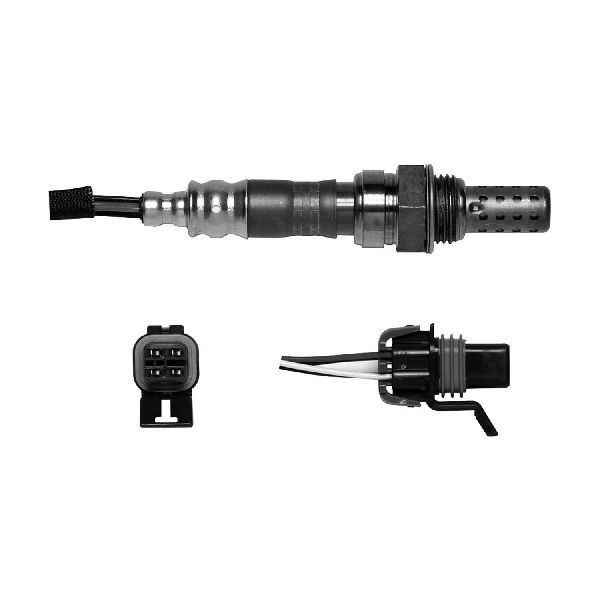
You don't need to buy a part from the dealer to get your L300 running right. However, not all aftermarket brands are created equal. For a vehicle like the L300, it's best to stick with a quality 'direct-fit' sensor. Direct-fit means it has the correct plug for your car's wiring harness, so you don't have to cut and splice any wires. Avoid 'universal' sensors that require wiring work, as this can lead to problems.
Brand Quality Tiers for the Saturn L300
- Top Tier (OEM Quality): Brands like Denso and NGK (NTK) are original equipment suppliers for many car manufacturers. They are widely recommended by mechanics and owners for their reliability and performance that matches the factory part. ACDelco is the original GM parts brand and is also a top choice.
- Trusted Aftermarket: Bosch and Delphi are reputable brands that have been making sensors for a long time. Delphi was an original parts supplier for GM, making them a solid choice. Some users have noted that Bosch aftermarket sensors can sometimes have different warm-up times than the original parts, so it's best to replace them in pairs if you choose this brand.
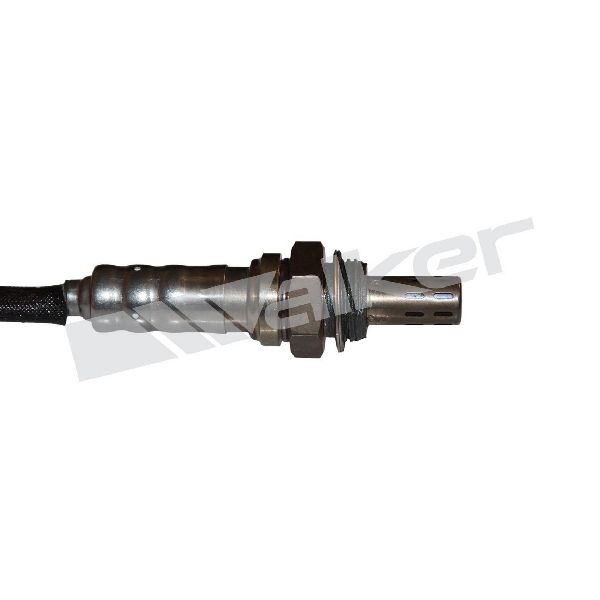
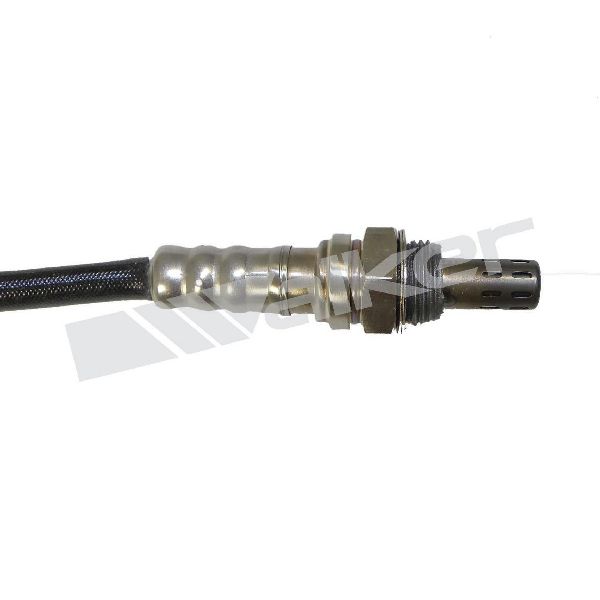
- Standard/Economy: Brands like Walker Products and DriveWire offer a more budget-friendly option. They can be a good choice if you're on a tight budget, but may not have the same longevity as the premium brands.
Pro Tip: Many mechanics recommend using Denso or NGK sensors for Japanese and GM vehicles. For your L300, spending a little more on one of these brands can prevent headaches later.
How Much Does a New Oxygen Sensor Cost?
The cost depends on the brand you choose and which of the four sensors you are replacing. Upstream sensors are often more expensive than downstream sensors.
| Part Type | Price Range |
|---|---|
| New Aftermarket (Economy) | $45 - $80 |
| New Aftermarket (Premium) | $80 - $260 |
| Shop Labor | $75 - $150 per sensor |
Frequently Asked Questions
How many oxygen sensors does my 2001-2005 Saturn L300 have?
Your L300 with the 3.0L V6 engine has four oxygen sensors. Two are upstream (before the catalytic converters) and two are downstream (after the catalytic converters).
What is the difference between an upstream and downstream sensor?
Upstream sensors (Sensor 1) are critical for controlling the engine's air-fuel mixture. Downstream sensors (Sensor 2) are used only to check if the catalytic converter is working. If you have a code for an upstream sensor, you will likely notice performance issues. A downstream sensor code is primarily an emissions concern.
Do I need a special tool to replace an O2 sensor?
Yes, it is highly recommended. An oxygen sensor socket is a special tool with a slot down the side to fit over the sensor's wire. Using one makes the job much easier and prevents damage to the new sensor's wiring. You can often rent these from auto parts stores.
Can I just clean my old oxygen sensor?
No, you should not try to clean an oxygen sensor. The delicate internal components can be easily damaged by cleaning solvents or even by rough handling. If a sensor is faulty, it needs to be replaced.
My scanner shows codes for all four sensors. Are they all bad?
It's highly unlikely that all four sensors would fail at the exact same time. If you have heater circuit codes for all four sensors (P0135, P0141, P0155, P0161), the problem is more likely a blown fuse or a bad relay that supplies power to the sensor heaters. Check your fuse box for a fuse labeled 'O2' or 'Heater' before buying any parts.
Technical Specifications
The 3.0L V6 uses four heated, 4-wire or 5-wire oxygen sensors. Upstream sensors are often 5-wire Air/Fuel ratio sensors, while downstream are typically 4-wire sensors. Always verify the correct part for the specific location (Bank 1/2, Sensor 1/2) before purchasing.
We Have This Part in Stock


The information in this article is provided for general reference and educational purposes only. Vehicle specifications, procedures, and part compatibility can vary by production date, trim level, and region. Always consult your vehicle's factory service manual and verify part numbers before purchasing or performing repairs. Safety-critical components such as airbags, seat belts, and braking systems should be installed by a qualified professional.
- Saturn L300: