

Choosing the Right Disc Brake Pads for Your 2001-2005 SEAT Leon
Because your Leon shares its foundation with the VW Golf, you have access to a wide range of quality brake parts.
- Your 2001-2005 SEAT Leon shares many brake parts with the VW Golf/Jetta Mk4, giving you many options.
- Choose your pads based on your driving style: OEM-equivalent for daily use or Street Performance for better bite.
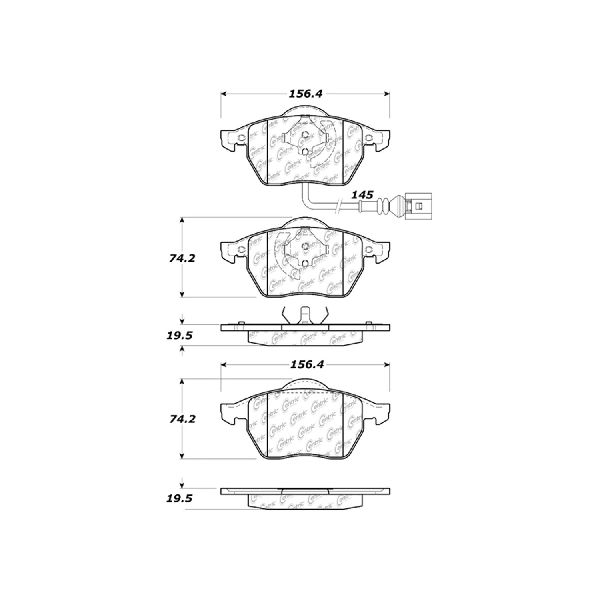
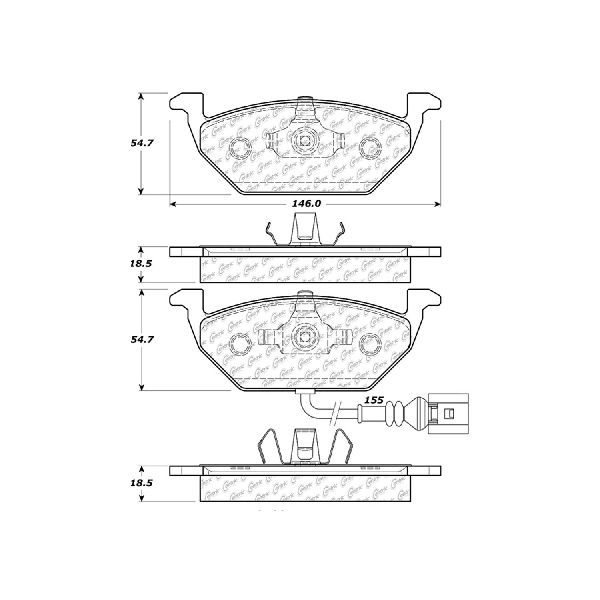
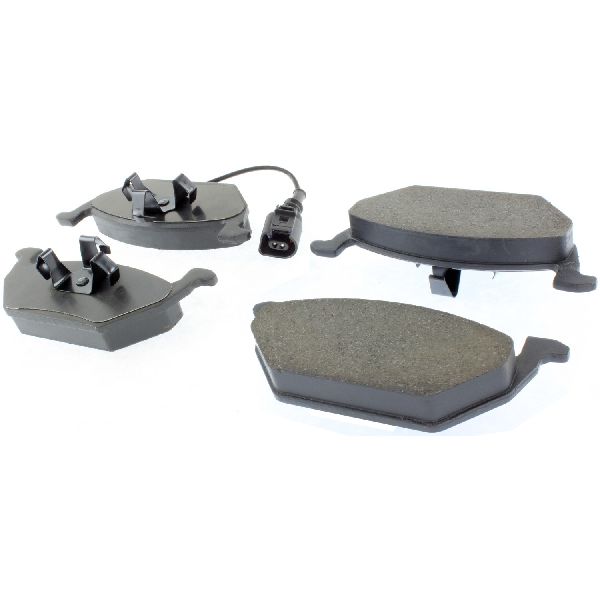
- Verify that your new front pads include the electronic wear sensor wire to avoid a dashboard warning light.
- For best performance and safety, plan to replace your brake rotors at the same time as your pads.
Understanding Your Leon's Brakes
The first thing to know when shopping for parts for your 2001-2005 SEAT Leon is that it was built on the Volkswagen Group's A4 platform. This is the same platform used for the popular 1999-2006 Volkswagen Golf and Jetta (Mk4). This is great news for owners, as it means many high-quality aftermarket brake components made for these VW models are a direct fit for your Leon.
When to Replace Your Brake Pads
Your brakes will give you clear signals when it's time for a new set of pads. Ignoring these signs can lead to more expensive repairs, like damage to the brake rotors or calipers. Look out for the following symptoms:
- Squealing or Screeching: A high-pitched noise when you apply the brakes is often the first sign. It's caused by a small metal indicator built into the pad to warn you it's getting low.
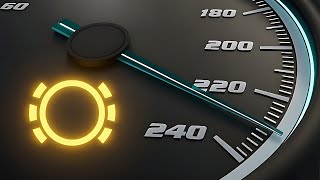
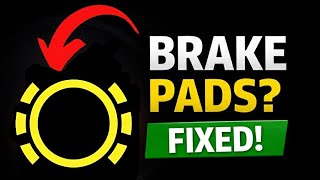
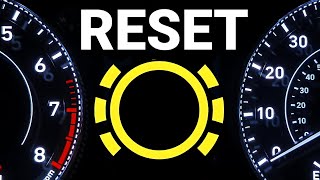
- Dashboard Warning Light: Your Leon is equipped with electronic wear sensors that will light up an indicator on your dash when the pads are thin.
- Grinding Noises: A loud, metallic grinding or growling sound means the pads are completely worn away. The noise is metal-on-metal contact between the caliper and the rotor. Stop driving immediately to prevent further damage.
- Spongy or Soft Brake Pedal: If your brake pedal feels less responsive or sinks toward the floor, it could indicate a problem in the hydraulic system, possibly related to worn pads or other issues.
- Longer Stopping Distances: If you notice your car takes longer to stop than it used to, your pads are likely worn out and no longer creating enough friction.
Platform-Specific Alert: Brake Light Switch Recall
While not a brake pad issue, it's critical to know that the related VW Golf and Jetta models from this era were recalled for a faulty brake light switch (NHTSA Campaign ID: 07V063000). This could cause your brake lights to fail or stay on. Since your Leon shares the same platform, be aware of this potential issue. If your brake lights malfunction, this switch is a likely culprit.
🎬 See how to replace a faulty brake light switch yourself.Choosing the Right Aftermarket Brake Pads
Not all brake pads are created equal. The best choice for your Leon depends on your budget and driving style. Aftermarket pads can be grouped into three main tiers.
1. Economy Pads
Brands like: Pronto, Total Stopping Solutions
These are the most affordable options. They are designed to meet basic braking requirements for simple, everyday commuting. While they get the job done, they may not last as long or be as quiet as higher-quality options. They are a functional choice if budget is your primary concern.
2. OEM-Equivalent Pads
Brands like: Bendix, Centric, Wagner Brakes, Textar
This is the most popular category for daily drivers. These pads aim to restore the original performance and feel of your car.
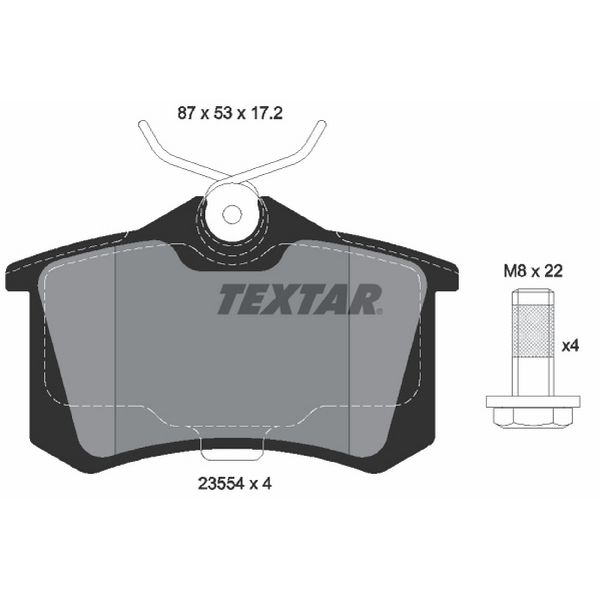
- Textar: Often an Original Equipment (OE) supplier for German cars, Textar pads are a safe bet for restoring factory performance. They are known for good stopping power but can produce dust similar to the original pads.
- Centric Posi Quiet: These are popular for being quiet and producing low dust, but some users report a poor initial "bite," especially when cold.
- Wagner OEX: These pads get mixed reviews. Some drivers experience a strong, confident bite and low dust, while others find them to have a weak initial feel compared to stock pads.
3. Street Performance Pads
Brands like: StopTech, Performance Friction
If you enjoy spirited driving or want a noticeable improvement in braking performance, this tier is for you. These pads offer a stronger initial bite and better resistance to brake fade during heavy use.
- StopTech: As the performance division of Centric, StopTech pads are well-regarded for street performance. They provide a significant upgrade in bite and feel over stock pads without being overly aggressive for daily driving.
Pro Tip: Replace Rotors with Pads
It is highly recommended to replace your brake rotors at the same time as your pads. A fresh, flat rotor surface ensures your new pads bed-in correctly, providing smooth, powerful, and quiet braking. Installing new pads on old, worn rotors can cause noise, vibration, and reduced performance.
Brake Pad Replacement Costs for 2001-2005 SEAT Leon
| Part & Labor | Estimated Cost |
|---|---|
| Aftermarket Disc Brake Pad Set (Parts Only) | $28 - $128 |
| Shop Labor (One Axle) | $150 - $250 |
| Total Cost (Pads + Labor, One Axle) | $178 - $378 |
Cost estimates are based on typical US shop labor rates for a similar vehicle (VW Golf Mk4) and may vary by location and shop.
Frequently Asked Questions
Do I need to buy pads with a wear sensor wire?
Yes, most likely. The 2001-2005 SEAT Leon was equipped with a front brake pad wear sensor system. When ordering, ensure the front pads you select come with the correct sensor wire to avoid a persistent warning light on your dashboard.
🎬 Learn how to fix and reset a stubborn brake warning light.What's the difference between ceramic and semi-metallic pads?
Semi-metallic pads contain metal fibers, which help with heat transfer and provide a strong bite. They are effective but can be noisier and produce more dust. Ceramic pads are made from a dense ceramic material with copper fibers. They are known for being very quiet, producing little dust, and offering consistent performance, making them a popular choice for daily driving.
Can I replace brake pads myself?
Yes, replacing brake pads is a common DIY job for those with mechanical experience and the right tools. You will need a jack, jack stands, a lug wrench, a socket set, a caliper piston compression tool, and a torque wrench. If you are not comfortable working on your car's braking system, it is always best to have a professional mechanic do the job.
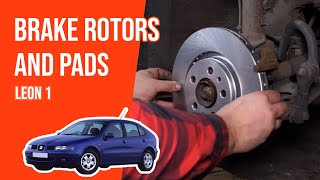
🎬 Watch this step-by-step guide to replacing front discs and pads.Why does my brake pedal feel spongy after changing the pads?
A spongy pedal after a brake job usually indicates air in the brake lines. The system will need to be "bled" to remove the air. This can happen if the brake fluid reservoir ran low during the job. In some cases, a spongy pedal can also point to a failing master cylinder, a separate issue sometimes seen on this platform.
Helpful Videos
Technical Specifications
Vehicle Platform: Volkswagen Group A4 (PQ34). Brake System: Hydraulic, single-piston sliding calipers. Features: Front brake pad electronic wear sensor.
We Have This Part in Stock

The information in this article is provided for general reference and educational purposes only. Vehicle specifications, procedures, and part compatibility can vary by production date, trim level, and region. Always consult your vehicle's factory service manual and verify part numbers before purchasing or performing repairs. Safety-critical components such as airbags, seat belts, and braking systems should be installed by a qualified professional.
- Seat Leon:
- 🎬 Helpful Videos
- 🛍️ Shop This Part
- Understanding Your Leon's Brakes
- When to Replace Your Brake Pads
- Platform-Specific Alert: Brake Light Switch Recall
- Choosing the Right Aftermarket Brake Pads
- 1. Economy Pads
- 2. OEM-Equivalent Pads
- 3. Street Performance Pads
- Pro Tip: Replace Rotors with Pads
- Brake Pad Replacement Costs for 2001-2005 SEAT Leon
- Frequently Asked Questions
- 🎟️ Get 5% Off