

Toyota Celica Oxygen Sensor Guide for 2001-2005 Models
Everything you need to know about choosing and replacing the oxygen sensors on your 7th generation Celica.
- Your Celica has two O2 sensors: an upstream (Air/Fuel) and a downstream (Oxygen) sensor; they are not interchangeable.
- Stick with Denso or NGK/NTK brands for a direct-fit replacement to avoid compatibility issues and ensure proper performance.
- Symptoms of failure include a Check Engine Light, poor gas mileage, and rough running.
- Replacing the sensors is a manageable DIY task, with the main difficulty being the removal of a seized sensor.
Is a Failing Oxygen Sensor a Serious Problem?

A bad oxygen sensor on your Celica won't leave you stranded, but it shouldn't be ignored. The most immediate symptoms are a lit Check Engine Light and a noticeable drop in fuel economy. You might also experience a rough idle, hesitation when you accelerate, or a general loss of power. If the faulty sensor is the downstream one, it can't properly monitor the catalytic converter, which could lead to a failed emissions test. Ignoring a bad upstream sensor for too long can cause the engine to run too rich (too much fuel), which can eventually damage the expensive catalytic converter.
Choosing the Right Aftermarket Oxygen Sensor

When shopping for a new oxygen sensor for your Celica, you'll find many brands. Not all are created equal, and for Toyotas, the brand can make a big difference. The original equipment manufacturer (OEM) for your Celica's sensors is Denso.
Pro Tip: For the best performance and to avoid compatibility issues, always choose a Denso or NGK/NTK sensor. While other brands like Bosch make quality parts, they are sometimes known to cause issues in Toyota vehicles.
Brand Tiers for Your Celica
- Top Tier (OEM Equivalent): Denso and NGK/NTK are the top choices. They are the original suppliers to Toyota. Choosing a direct-fit sensor from one of these brands ensures you get the correct wire length and connector, making installation a simple plug-and-play job.
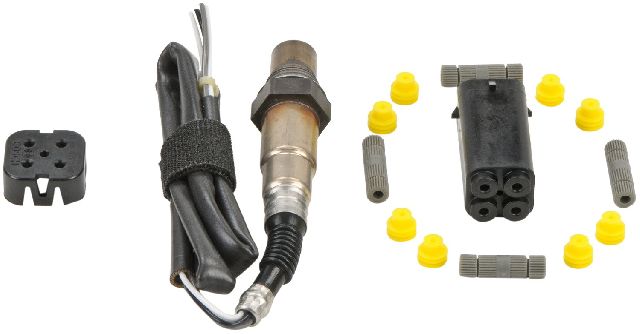
- Quality Aftermarket: Brands like Bosch and Delphi are well-known and generally produce reliable parts. However, forum discussions among Toyota owners sometimes report driveability issues when using non-OEM brands, so it's often recommended to stick with Denso or NGK.
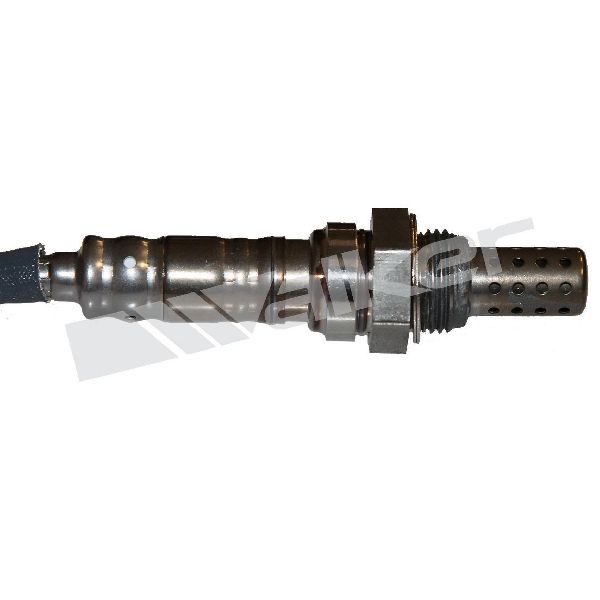
- Budget Brands: Walker, Spectra, and DriveWire fall into the budget category. While they are more affordable, their quality and longevity may not match the top-tier brands. A universal sensor, which requires you to splice wires, is a cheaper option but adds complexity and potential for error during installation.
Common Ordering Mistake: Upstream vs. Downstream
Your Celica has two different sensors: an upstream (before the catalytic converter) and a downstream (after the converter). The upstream sensor is an Air/Fuel Ratio Sensor, while the downstream is a standard Oxygen Sensor. They are not interchangeable. Always verify you are ordering the correct sensor for the correct position (Bank 1, Sensor 1 for upstream; Bank 1, Sensor 2 for downstream). Also, be aware that wire harness lengths can vary, so a direct-fit model is recommended.
Cost of Replacing a Toyota Celica Oxygen Sensor
| Part/Service | Estimated Cost |
|---|---|
| New OEM (Denso) | $130 - $230 |
| New Aftermarket | $25 - $194 |
| Shop Labor | $103 - $152 |
| Total Professional Replacement | $362 - $570 |
Frequently Asked Questions

How many oxygen sensors does a 2001-2005 Celica have?
All 2001-2005 Toyota Celica models, both GT (1ZZ-FE engine) and GT-S (2ZZ-GE engine), have two oxygen sensors. One is located upstream of the catalytic converter (in the exhaust manifold) and one is located downstream of the catalytic converter.
Can I replace just one oxygen sensor?
Yes. You only need to replace the sensor that has failed. Your mechanic can diagnose which sensor is bad, or you can use an OBD-II scanner to read the specific trouble code (e.g., P0135 for Bank 1 Sensor 1).
Is it hard to replace a Celica oxygen sensor myself?
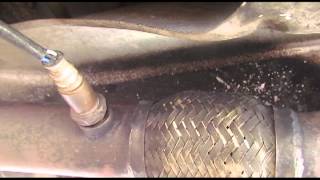
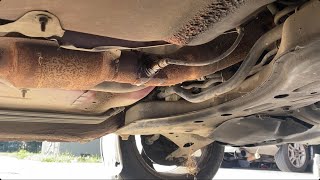
For a DIY mechanic, this is a very feasible job. 🎬 See how to easily replace the sensors on 00-05 models. The sensors are generally accessible. The upstream sensor is in the engine bay, and the downstream sensor is under the car. The electrical connectors are located inside the car on the passenger side floor, under the carpet. 🎬 Watch this step-by-step guide to replacing your Celica O2 sensor. The main challenge can be removing the old sensor if it is seized in the exhaust pipe due to rust. Using a special oxygen sensor socket and some penetrating oil can help.
Are there any recalls for the oxygen sensor on my Celica?
No, there are no specific recalls from the NHTSA for oxygen sensors on the 2001-2005 Toyota Celica. There was a service campaign for some other Toyota models regarding O2 sensor wire degradation, but the Celica was not included.
Helpful Videos
Technical Specifications
OEM Part Numbers: 89465-20710 89465-20680
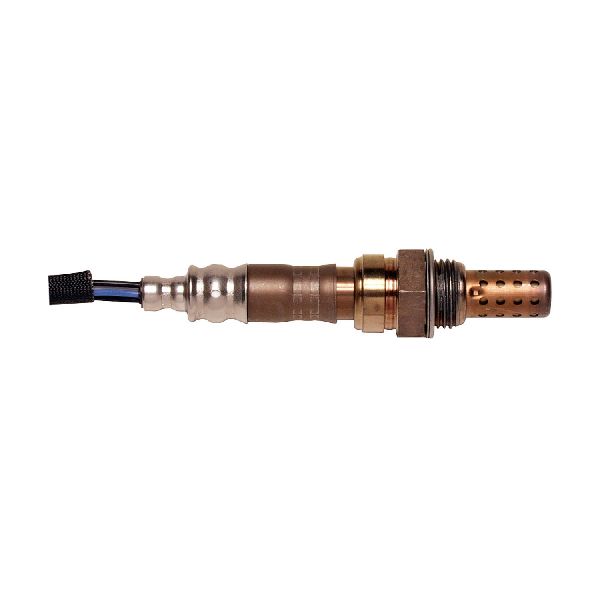
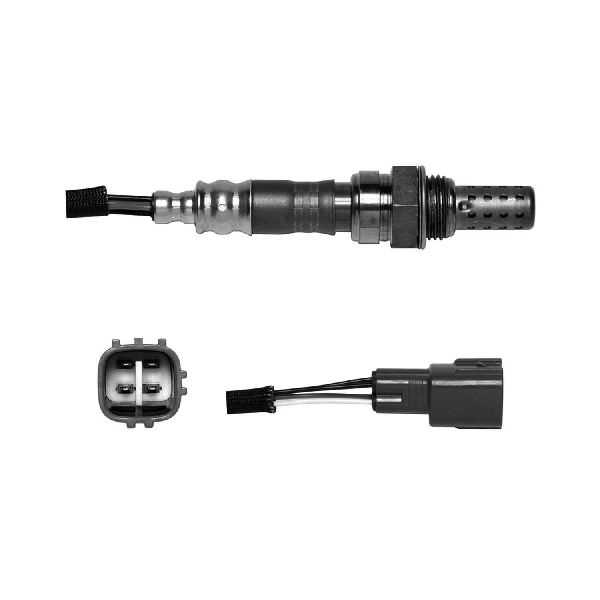
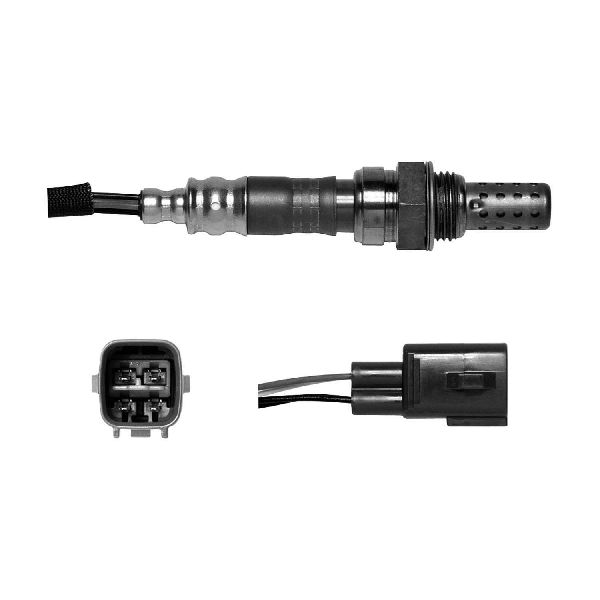
Your 2001-2005 Celica uses a 4-wire sensor. The upstream sensor is a wideband Air/Fuel ratio sensor, while the downstream is a traditional narrowband oxygen sensor. Both GT and GT-S models use two sensors.
We Have This Part in Stock

The information in this article is provided for general reference and educational purposes only. Vehicle specifications, procedures, and part compatibility can vary by production date, trim level, and region. Always consult your vehicle's factory service manual and verify part numbers before purchasing or performing repairs. Safety-critical components such as airbags, seat belts, and braking systems should be installed by a qualified professional.
- Toyota Celica: