

A Guide to Choosing Brake Pads for the 2001-2005 Toyota Highlander
Everything a first-generation Highlander owner needs to know before buying new aftermarket brake pads.
- Advics and Akebono are the likely Original Equipment suppliers for your Highlander; choosing them is a safe bet for factory-level quality and quiet operation.
- For the 2001 model year, be aware of a recall related to the brake master cylinder that could affect brake feel and performance.
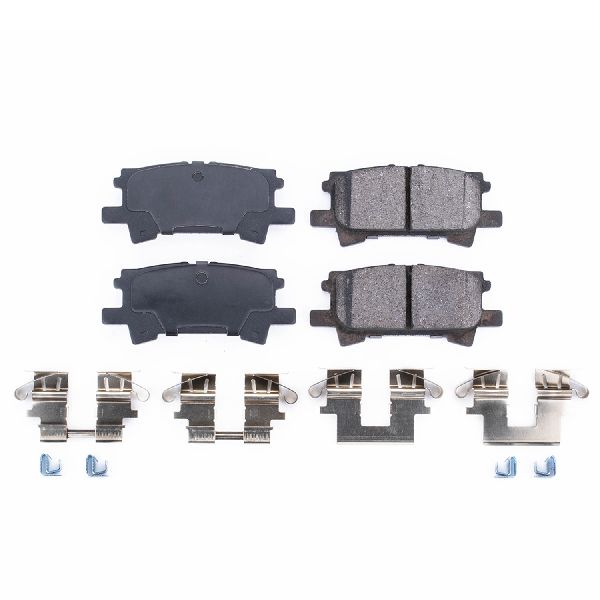
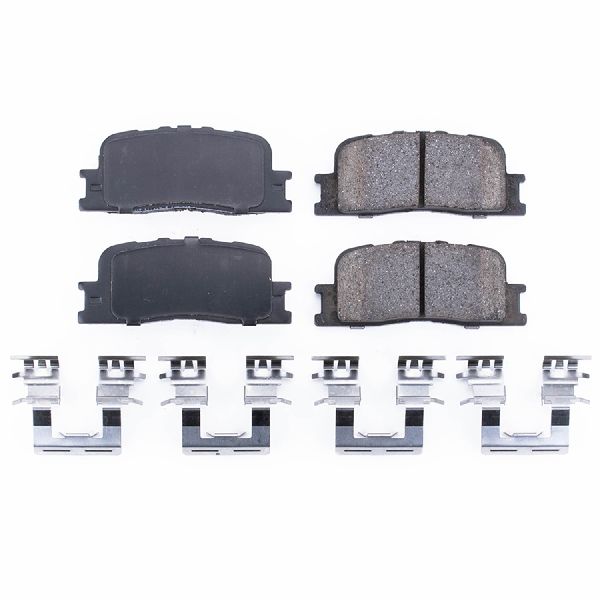
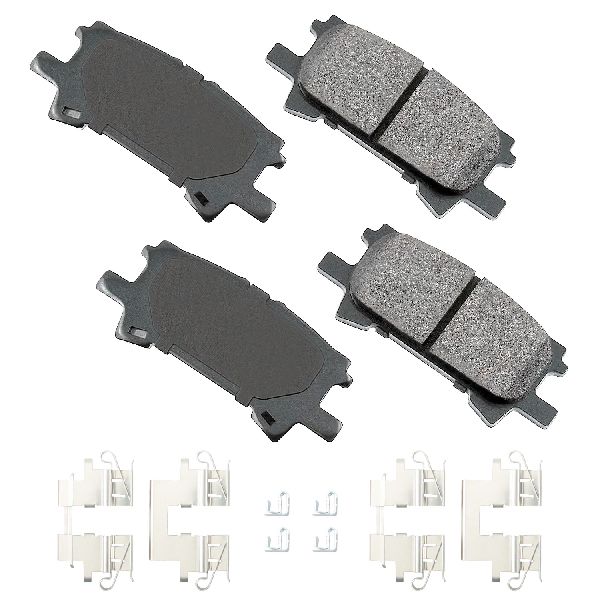
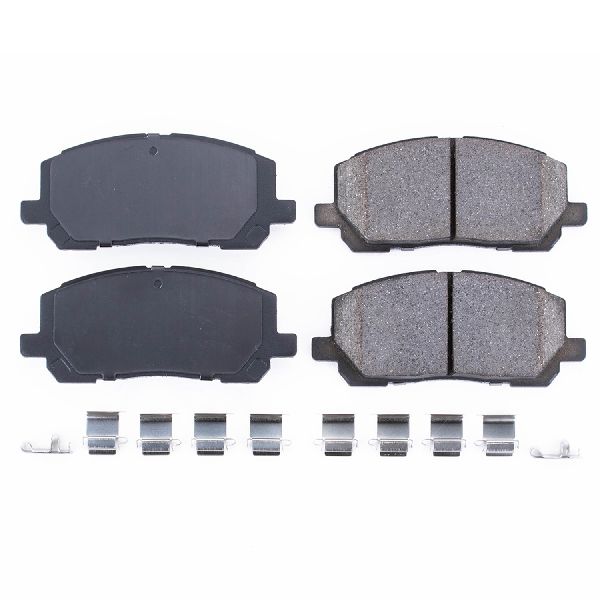
- Always replace brake hardware (clips and shims) with your pads for a quiet, professional result. Premium aftermarket kits often include it.
- Ceramic pads are an excellent choice for most Highlander owners, offering a great balance of quiet operation, low dust, and reliable stopping power for daily driving.
Is it Time for New Brake Pads?

Your Highlander will give you clear signs when the brake pads are getting low. Ignoring them can lead to more expensive repairs and unsafe driving conditions. Pay attention to these warnings.
Known Issue: 2001 Model Year Brake System Recall
The National Highway Traffic Safety Administration issued a recall (NHTSA ID: 01V228) for some 2001 Toyota Highlanders. The issue involves the brake master cylinder reservoir cap, which could create a vacuum and allow air into the brake lines. This can cause a spongy or soft brake pedal, abnormal noises, and increased stopping distances. A Toyota dealer can confirm if your vehicle was affected and if the recall work was completed.
Symptoms of Worn Brake Pads

- Squealing or Screeching: Most brake pads have a small metal tab called a wear indicator. When the pad material wears down, this tab scrapes against the rotor, making a high-pitched noise when you brake. This is an early warning that it's time for a replacement.
- Grinding Noises: A loud grinding or growling sound means the brake pad material is completely gone. This is a critical situation where the metal backing plate of the pad is grinding against the rotor, causing significant damage and severely reducing your ability to stop.
- Vibrations in Pedal or Steering Wheel: If you feel a shaking or pulsing when you apply the brakes, it's often a sign of warped brake rotors. Rotors can warp from the excessive heat generated by worn-out pads.
- Longer Stopping Distances: If you notice your Highlander takes longer to stop than it used to, your brake pads may be too worn to create the necessary friction.
Choosing the Right Aftermarket Brake Pads

Not all brake pads are created equal. For your Highlander, pads generally come in ceramic or semi-metallic materials. Ceramic pads are known for being quiet, producing less dust, and offering smooth stopping power, making them a great choice for daily driving. Semi-metallic pads can offer better performance in extreme temperatures but may be noisier and produce more dust.
Here’s how to think about the brands available:
Brand Quality Tiers
OEM-Equivalent: If you want the same performance as the day your Highlander left the factory, these are your best bet. Toyota uses external suppliers for its parts. For this generation of Highlander, the original pads were most likely made by Advics or Akebono. Buying these brands from an aftermarket retailer gives you factory quality, often for less than the dealer price.
- Advics: Widely considered the Original Equipment Manufacturer (OEM). Choosing Advics pads is essentially a direct replacement for the original factory parts.
- Akebono: Another top-tier Japanese manufacturer that is often an OEM supplier for Toyota. Their ProACT line is highly regarded for being extremely quiet and low-dust.
Quality Aftermarket: These brands offer a great balance of performance, reliability, and value. They are a dependable choice for the daily-driven Highlander.
- Bosch: Known for quiet, reliable ceramic pads like the QuietCast line, which provide performance similar to OEM.
- Wagner: A well-regarded brand offering lines like the ThermoQuiet, which are designed to reduce noise and provide consistent stopping power.
- Raybestos: Their Element3 line is another popular and trusted option that provides reliable performance.
Performance Upgrade: If you tow a trailer or simply want more braking bite, a performance pad is a good option.
- Powerstop: This brand specializes in performance-oriented brake kits. Their Z23 series pads offer increased stopping power but may need to warm up for peak performance and can produce more dust than OEM-style ceramic pads.
Budget-Friendly: While economical, budget pads may not last as long, can be noisier, and may not perform as consistently as premium options. They meet safety standards but are generally not recommended if you prioritize quiet operation and longevity.
A Note on Hardware
When you replace your brake pads, you should also replace the metal clips and shims they sit in. Many aftermarket kits from brands like Bosch and Wagner include this hardware. However, OEM pads from a dealer often do not, requiring a separate purchase. Always use new hardware for a quiet, rattle-free installation.
Frequently Asked Questions (FAQ)
Should I replace my rotors with my pads?
It is highly recommended. While you can sometimes resurface rotors if they are thick enough, new rotors are affordable and ensure the best performance and longevity from your new pads. Installing new pads on old, worn rotors can cause noise, vibrations, and premature pad wear. Most shops will insist on replacing them together.
What is a brake pad "break-in" or "bedding" procedure?
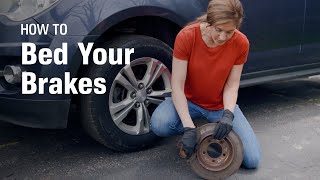
Breaking in your new pads involves a series of controlled stops to transfer an even layer of friction material onto the brake rotor. This prevents glazing and ensures smooth, quiet braking. A typical procedure involves 4-5 firm stops from about 45 mph down to 10 mph without coming to a complete stop. Afterward, drive for several minutes to let the brakes cool. Always follow the manufacturer's specific instructions.
🎬 Watch: How and why to properly bed your new brakes.Why are my new brakes squeaking?
New brakes can squeak if they weren't installed correctly, if the hardware wasn't lubricated or replaced, or if they haven't been broken in properly. Sometimes, lower-quality pads use metallic materials that are simply noisier. If the noise persists, have your installation checked by a professional.
Can I do this job myself?
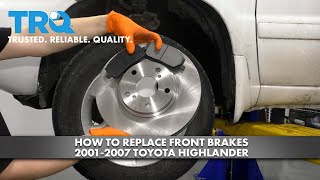
Yes, replacing brake pads and rotors is a common DIY job for those with basic mechanical skills and tools. The process is well-documented in online videos for the 2001-2005 Highlander. 🎬 Watch this step-by-step guide to replacing your front brakes. However, your brake system is critical for safety. If you are not 100% confident, it is always best to have the work done by a qualified mechanic.
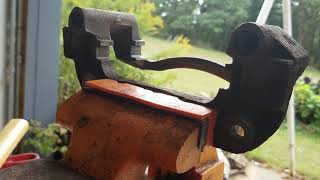
🎬 See a full demonstration of this brake job on a Highlander.Helpful Videos
Technical Specifications
OEM Part Numbers: 04465-48030 04465-AZ208 04466-48020
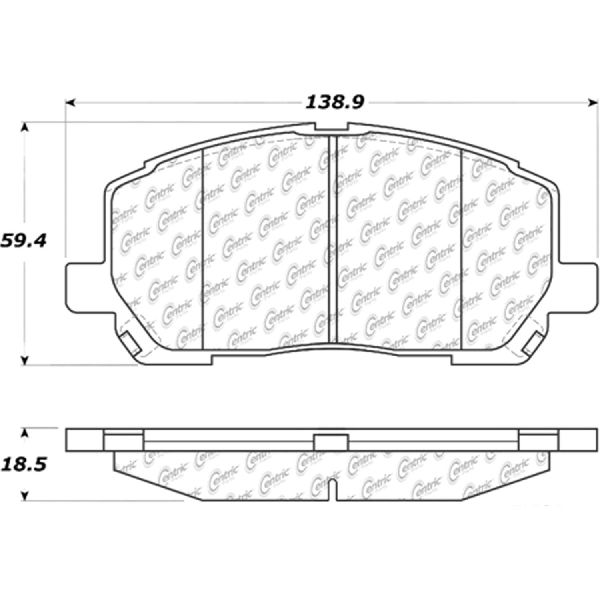
The 2001-2005 Toyota Highlander uses disc brakes on all four wheels. Pad material is typically ceramic or semi-metallic. Replacement should always include new pads and hardware for each axle (front or rear).
We Have This Part in Stock


The information in this article is provided for general reference and educational purposes only. Vehicle specifications, procedures, and part compatibility can vary by production date, trim level, and region. Always consult your vehicle's factory service manual and verify part numbers before purchasing or performing repairs. Safety-critical components such as airbags, seat belts, and braking systems should be installed by a qualified professional.
- Toyota Highlander: