

A Guide to Replacing Disc Brake Pads on Your 2001-2006 BMW 320i
Choosing the right brake pads for your E46 BMW is crucial for safety and performance; here's what you need to know.
- For an OEM feel, choose aftermarket brands like Textar, ATE, or Jurid, as they are original suppliers to BMW.
- For a significant reduction in brake dust and noise, Akebono EURO ceramic pads are a highly recommended upgrade for daily driving.
- You MUST replace the brake pad wear sensors (front-left and rear-right) with the pads to turn off the dashboard warning light.
- Symptoms like a spongy pedal or grinding noises are serious and require immediate inspection to avoid brake failure or further damage.
Symptoms of Failing Brake Pads
Your BMW will give you clear signs when it's time for new brake pads. Ignoring them can lead to more expensive repairs. The most common symptom is a brake warning light on your dashboard. Your E46 320i has electronic brake wear sensors that trigger this light when the pads are thin. You might also hear a high-pitched squealing sound when you apply the brakes, which can turn into a harsh grinding noise if the pads are completely worn away. Other signs include vibrations or a pulsating feeling in the brake pedal, which often points to warped brake rotors, or a brake pedal that feels soft and spongy, indicating a more serious issue with the brake fluid or system.
Choosing the Right Aftermarket Brake Pads
When shopping for new brake pads, you have many choices. For the E46 320i, the quality of aftermarket parts can be as good as, or even better than, the original parts, depending on your goals.
Aftermarket Brand Tiers for BMW 320i
| Tier | Brands | Description & Best Use |
|---|---|---|
| OEM-Equivalent | Textar, ATE, Jurid, Pagid, Bosch, Brembo (Prime Line) | These brands are often the original suppliers to BMW. Choosing one of them is the safest bet for restoring the original braking feel, performance, and noise levels your car had when it was new. They are ideal for daily driving and spirited street use. |
| Low-Dust Ceramic | Akebono (EURO Series), ATE (Ceramic Series) | If you dislike the heavy black brake dust BMW pads are known for, ceramic pads are an excellent upgrade. Akebono is highly recommended by E46 owners for being extremely quiet and keeping wheels clean. The trade-off can be a slightly less sharp initial "bite" compared to OEM pads, but they provide excellent, smooth stopping power for daily driving. |
| Performance / Track | StopTech, Powerstop, Raybestos (Performance lines), Wagner (Performance lines) | These pads are designed for aggressive driving or occasional track use. They offer higher heat resistance but can be noisier and produce more dust than OEM or ceramic pads. Some users find brands like Powerstop to be a good budget performance option for the street, but not durable enough for serious track use. |
| Economy | Pronto, Centric (Standard lines), Dynamic Friction, Bendix | These pads meet basic safety requirements and are the most affordable. They are a practical choice for a daily commuter car where budget is the main concern. While functional, they may not offer the same lifespan, low noise, or refined feel of the higher-tier brands. |
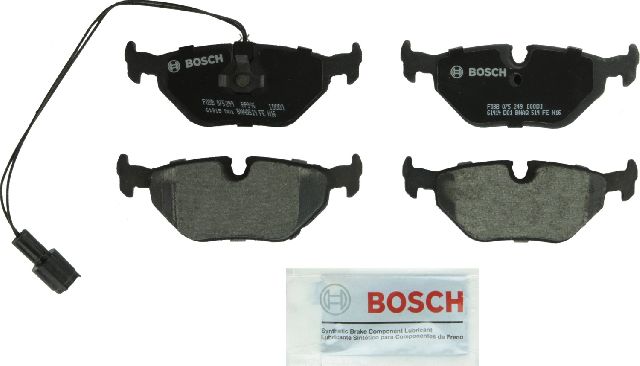
Pro Tip: Replace the Brake Wear Sensor. Your 320i has a brake pad wear sensor on the front-left and rear-right wheel. These are designed to be replaced with the pads. If you don't install a new sensor, the brake warning light on your dash will not turn off.
Known Issues, Recalls, and Service Bulletins
While there are no active recalls specifically for the disc brake pads on the 2001-2006 BMW 320i, BMW has released technical service bulletins (TSBs) regarding brake noise and appearance. These bulletins note that some brake squeal, discoloration of the brake rotors, and surface rust are considered normal characteristics of the high-performance, non-asbestos organic (NAO) brake materials used from the factory. These conditions typically do not affect braking performance and do not require a repair unless the pads or rotors are worn past their minimum thickness.
Frequently Asked Questions (FAQ)
Do I need to replace my rotors with my brake pads?
It is highly recommended. While not always required, installing new pads on old, worn rotors can cause uneven wear, noise, and reduced performance. Most mechanics will insist on replacing pads and rotors at the same time for best results. If your rotors have a significant lip on the edge or show signs of heavy grooving or vibration, they must be replaced.
What is a brake pad wear sensor and do I need it?
A brake pad wear sensor is a small electronic probe that clips into one of the brake pads on the front driver's side and rear passenger's side. As the pad material wears down, the sensor head eventually contacts the metal rotor, which triggers the warning light on your dashboard. You must replace the sensor with the pads to reset the light.
What's the difference between ceramic and semi-metallic pads?
Semi-metallic pads, similar to what BMW uses from the factory, offer a strong initial bite and great performance but create a lot of dark brake dust. Ceramic pads, like the popular Akebono EURO series, are known for producing very little, light-colored dust and are very quiet. For most daily drivers, the clean and quiet operation of ceramic pads is a welcome upgrade.
Why are my new brakes squeaking?
New brakes can sometimes squeak during the first few hundred miles as they "bed-in" or mate with the new rotor surface. Squeaking can also be caused by not applying anti-squeal paste to the back of the brake pads during installation. If the noise persists, it could be a sign of improper installation or an issue with the caliper.
Technical Specifications
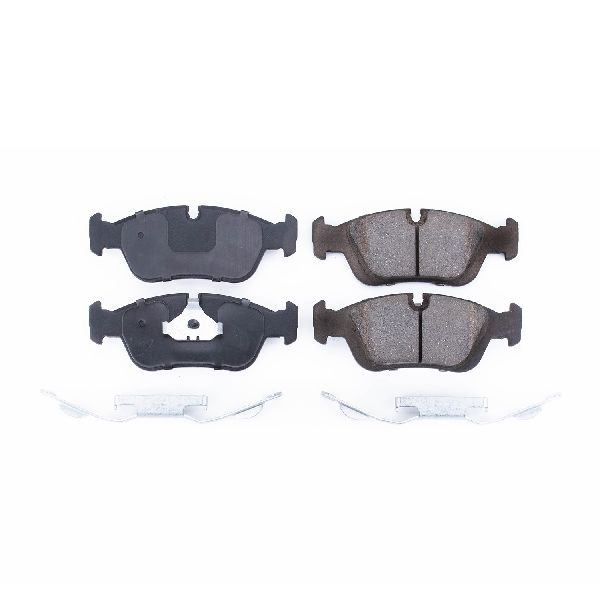
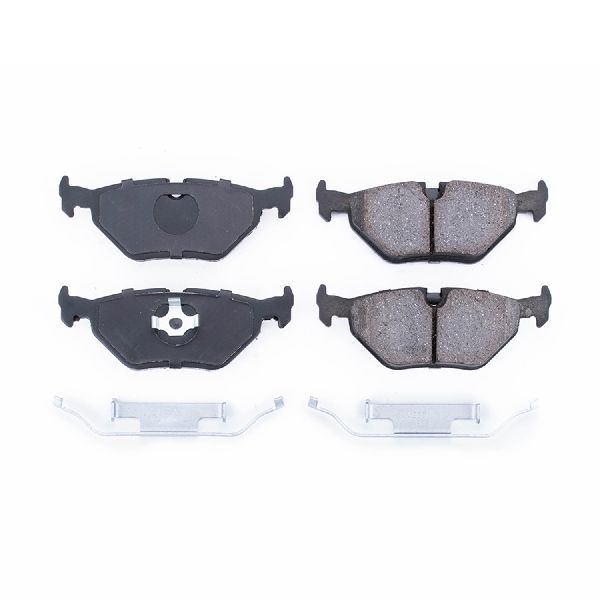
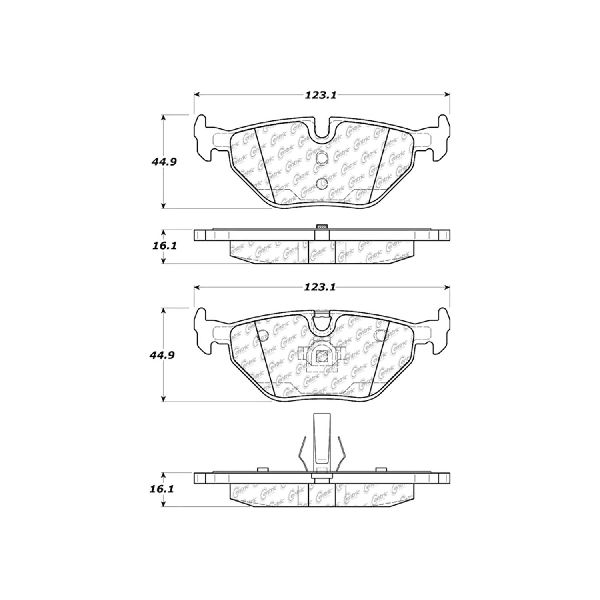
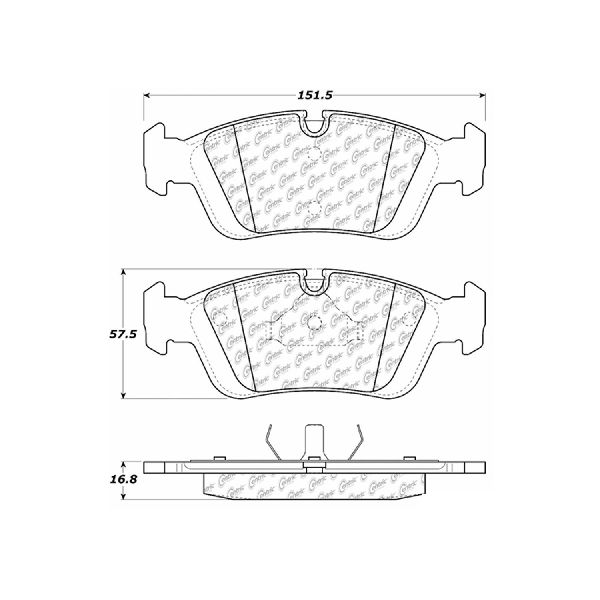
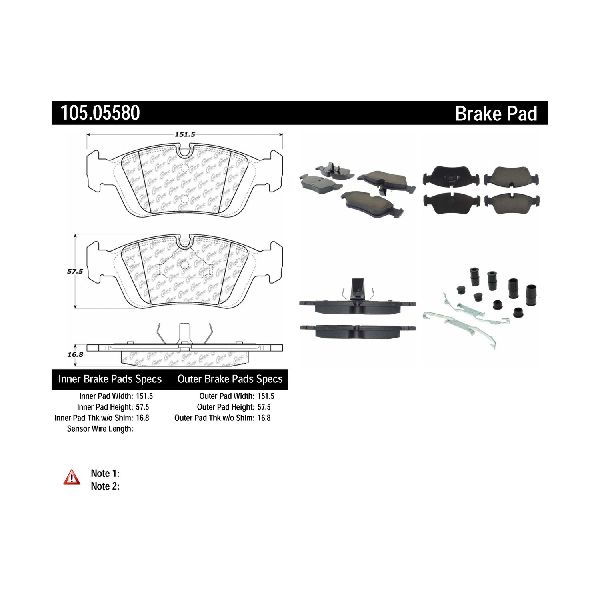
OEM Part Numbers: 34116761244 34216778168 34113404362
The system uses single-piston sliding calipers. It requires one brake pad wear sensor for the front axle (driver's side) and one for the rear axle (passenger's side) for LHD vehicles. Always replace pads in axle sets (both front wheels or both rear wheels at the same time).
We Have This Part in Stock

The information in this article is provided for general reference and educational purposes only. Vehicle specifications, procedures, and part compatibility can vary by production date, trim level, and region. Always consult your vehicle's factory service manual and verify part numbers before purchasing or performing repairs. Safety-critical components such as airbags, seat belts, and braking systems should be installed by a qualified professional.
- BMW 320i: