

A Guide to Replacing Brake Pads on Your 2001-2006 BMW 325Ci
Stop the guesswork and find the right brake pads for your E46 325Ci's specific needs, from daily driving to performance.
- Always replace the single-use brake pad wear sensors (front-left and rear-right) when changing pads to reset the dashboard warning light.
- For a factory feel, choose OEM-supplier brands like Textar or Pagid; for significantly less brake dust on a daily driver, choose Akebono ceramic pads.
- Replacing rotors at the same time as pads is strongly recommended for the best performance and to avoid vibration issues.
- The 2001-2006 325Ci has no major recalls or TSBs for its brake pads; most common complaints are normal characteristics like dust or noise from different pad types.
Signs of Worn Brake Pads
Your BMW will give you clear signs when the brake pads are nearing the end of their life. Ignoring these can lead to more expensive repairs and unsafe driving conditions.
- Brake Warning Light: The most obvious sign on your 325Ci is the brake warning light on the instrument cluster. This light is triggered when the brake pad wear sensor is tripped, meaning the pads have reached their minimum thickness.
- Squealing or Screeching Noises: A high-pitched squeal when you apply the brakes is a common indicator. This sound is often caused by a small metal tab on the brake pad making contact with the rotor.
- Grinding Sounds: If you hear a deep, metallic grinding noise, it's a critical warning. This usually means the friction material is completely gone, and the metal backing plate of the pad is grinding against the rotor, causing significant damage.
- Increased Stopping Distance: If you notice your car takes longer to stop than it used to, your pads are likely worn out and can no longer provide effective friction.
- Vibration or Pulsing: While often a sign of warped rotors, a pulsing sensation in the brake pedal can also be related to unevenly worn or failing brake pads.
Choosing the Right Aftermarket Brake Pads
When replacing the brake pads on your 325Ci, you have many options beyond the expensive dealership parts. Aftermarket brands often provide the same or better quality, sometimes with different characteristics to suit your driving style.
Brake Pad Brand Tiers for BMW 325Ci
| Tier | Brands | Best For |
|---|---|---|
| OEM-Equivalent | Textar, Pagid, ATE, Jurid | Drivers who want the original factory feel and performance. Textar and Pagid are known original equipment manufacturers for BMW. These pads offer a strong initial bite but tend to produce a noticeable amount of brake dust. |
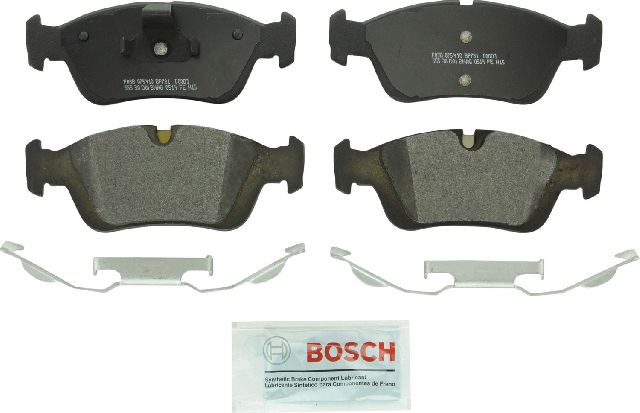
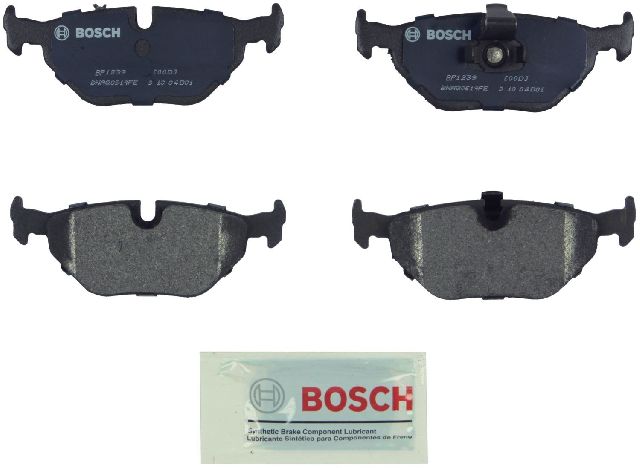
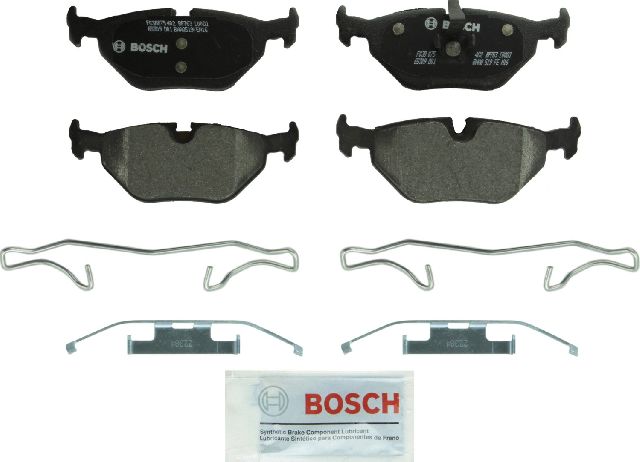
| Low-Dust Ceramic | Akebono, Bosch QuietCast | Daily drivers who prioritize clean wheels and quiet operation. Akebono Euro pads are highly recommended by E46 owners for their significant reduction in brake dust with minimal impact on stopping power for street use. |
| Performance Street | Hawk (HPS, HPS 5.0), StopTech, Brembo, EBC | Enthusiasts looking for increased stopping power for spirited driving. These pads, like the Hawk HPS series, offer a higher friction level and better fade resistance but often create more dust and may produce some noise. |
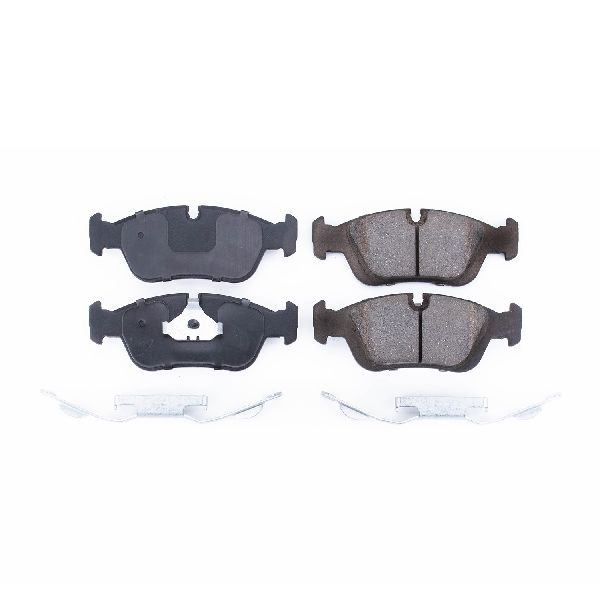
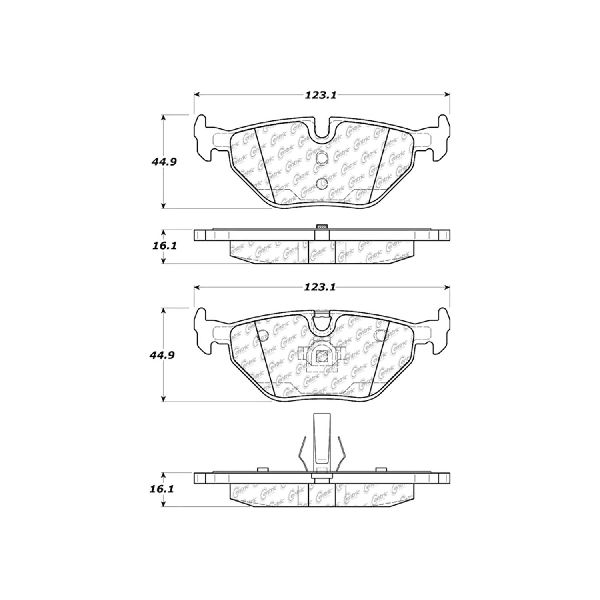
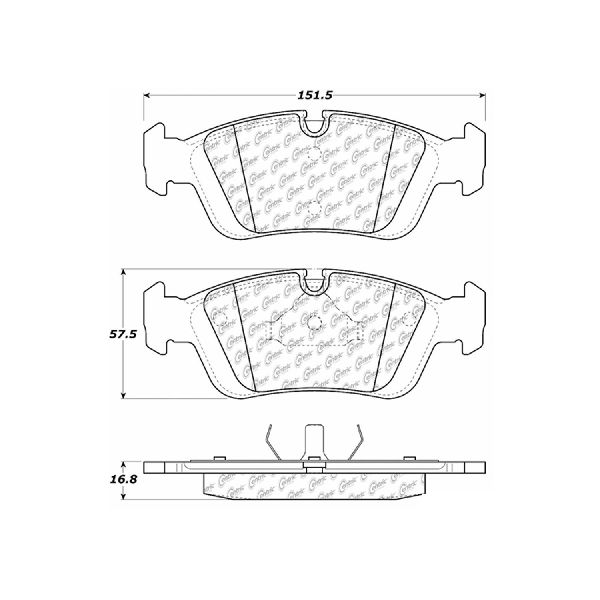
| Budget-Friendly | Centric, Powerstop, Dynamic Friction, Raybestos | Everyday use where cost is a primary factor. Brands like Powerstop are popular for offering kits that include rotors, but opinions on their quality compared to OEM-level brands are mixed. Centric is often cited as a reliable budget-friendly choice. |
A Note on Brake Wear Sensors
The 2001-2006 BMW 325Ci has two brake pad wear sensors: one on the front driver's side inner pad and one on the rear passenger's side inner pad. These are single-use items. Once the sensor makes contact with the rotor and triggers the dashboard light, it must be replaced along with the brake pads to reset the warning system. Many owners are caught off guard by this, so be sure to purchase new sensors with your pads.
Known Issues, Recalls, and Service Bulletins
The E46 platform, including the 325Ci, is generally reliable. Searches of the National Highway Traffic Safety Administration (NHTSA) database show no specific recalls for the disc brake pads on the 2001-2006 model years. Most brake-related recalls concern much newer BMW models or other components like airbags on the E46. Some Technical Service Bulletins (TSBs) exist for brake noise on other BMW models, but none are specific widespread issues for the 325Ci's pads. The most common owner-reported "problems" are typically related to brake dust from OEM-style pads or noise from high-performance pads, which are normal characteristics of those pad types.
Frequently Asked Questions (FAQ)
Do I need to replace my rotors with my brake pads?
It is highly recommended. While not always strictly necessary if your rotors are in excellent condition, replacing pads and rotors together ensures the best performance and longevity. New pads will bed-in more effectively on a fresh, flat rotor surface, preventing vibrations and ensuring maximum stopping power.
What's the difference between ceramic and semi-metallic pads?
Semi-metallic pads, like the kind BMW often uses from the factory (e.g., Textar, Pagid), contain metal fibers. They offer excellent stopping power and heat dissipation but create a lot of black dust. Ceramic pads use ceramic compounds and are known for being much cleaner (low dust) and quieter. For a daily driven 325Ci, many owners prefer switching to ceramic pads like Akebono to keep their wheels clean.
Why are my new brakes squealing?
New brakes can squeal for a few reasons. It could be part of the normal bedding-in process as the pad material transfers a layer onto the rotor. High-performance pads are also more prone to noise. However, persistent squealing can indicate improper installation, such as failing to clean the caliper carrier or not applying brake grease to the correct contact points.
What is the "bedding-in" process?
Bedding-in is the process of breaking in your new pads and rotors. It involves a series of controlled stops to transfer an even layer of friction material from the pads to the rotors. This transfer film is crucial for smooth, powerful, and quiet braking. Always follow the manufacturer's specific bedding-in procedure for your new pads.
Technical Specifications
OEM Part Numbers: 34116761244 34216778168 34212157574
The system uses single-piston floating calipers. It requires one front brake pad wear sensor (driver side) and one rear brake pad wear sensor (passenger side). The minimum recommended pad thickness before replacement is 3mm.
We Have This Part in Stock

The information in this article is provided for general reference and educational purposes only. Vehicle specifications, procedures, and part compatibility can vary by production date, trim level, and region. Always consult your vehicle's factory service manual and verify part numbers before purchasing or performing repairs. Safety-critical components such as airbags, seat belts, and braking systems should be installed by a qualified professional.
- BMW 325Ci: