

A Guide to the 2001-2006 BMW 325Ci Engine Air Intake Hose
If your E46 325Ci has a rough idle or a check engine light, a cracked intake hose is the most likely cause.
- A cracked intake hose is the most common cause of lean codes (P0171, P0174) and rough idle on the E46 325Ci.
- Always replace both the upper and lower intake boots at the same time, as they fail under the same conditions.
- This is an easy DIY repair that can be done in about an hour with basic tools.
- Aftermarket parts, especially silicone versions, offer better value and durability than the original OEM rubber design.
Why the E46 Intake Hose Fails
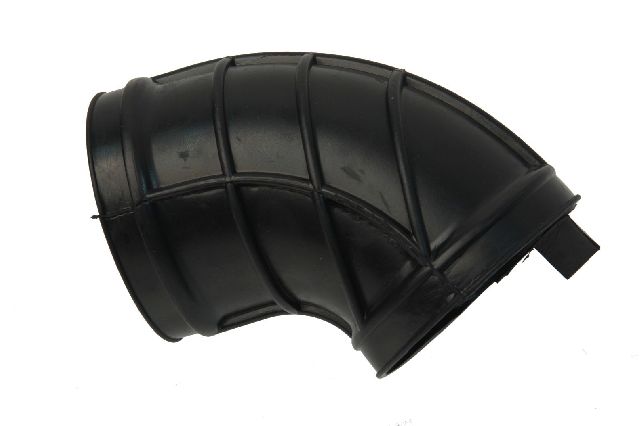
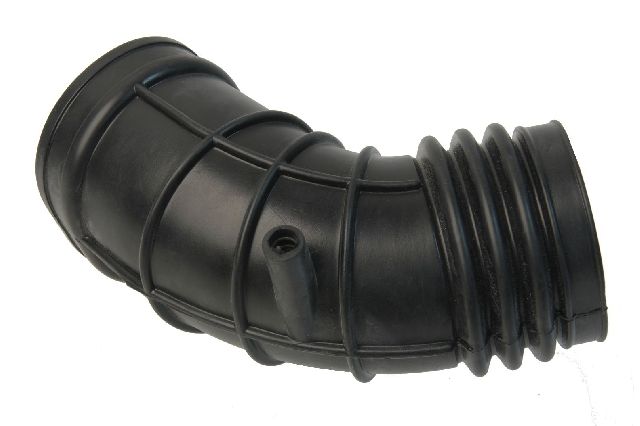
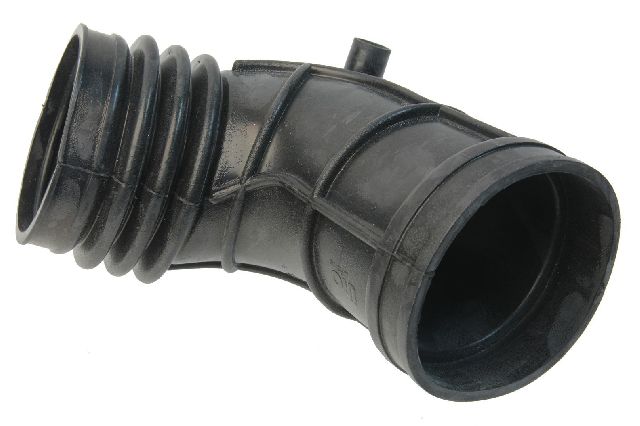
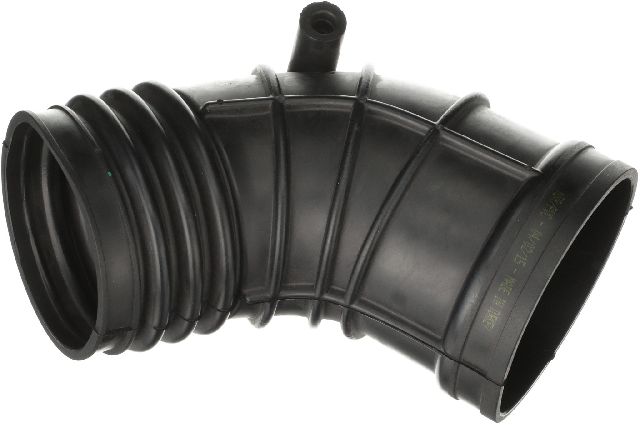
The original rubber intake hoses on the 2001-2006 BMW 325Ci are known to fail. Over time, constant engine heat and exposure to oil vapor from the crankcase ventilation (PCV) system cause the rubber to become hard, brittle, and dry. This leads to cracks, especially in the flexible, accordion-like ribs of the boots. Because this is such a common problem, it's one of the first things to check if your car starts running poorly. A leak here is often called a 'vacuum leak' because unmetered air is sucked into the engine past the MAF sensor.
Check Engine Light Codes: P0171 and P0174
A cracked intake hose is the number one cause of "System Too Lean" codes (P0171 for Bank 1 and P0174 for Bank 2) on the E46 325Ci. These codes mean the oxygen sensors are detecting too much oxygen in the exhaust, a direct result of unmetered air entering the engine. Ignoring these codes can lead to poor performance and potentially damage other components over time.
Choosing the Right Aftermarket Intake Hose
When your original intake hose fails, you have several aftermarket options. Since this is a common failure point, it's wise to replace both the upper and lower intake boots at the same time, even if only one is cracked. The other is likely to fail soon.
Brand Quality Tiers
- Premium Aftermarket (e.g., Mishimoto): These brands often offer silicone replacement hoses. Silicone is more resistant to heat and oil than the original rubber, providing a longer-lasting solution. Some are even a one-piece design, eliminating a potential leak point between the upper and lower boots. They are the most expensive aftermarket option but offer the best durability.
- OEM-Quality Aftermarket (e.g., Vaico, Gates, Dorman): These brands aim to match the original factory part in fit and function. Dorman is known for sometimes redesigning parts to improve on original weaknesses. Vaico focuses on parts that meet European vehicle specifications. These are a solid middle-ground choice for owners who want a reliable part without the high cost of a genuine BMW part.
- Standard Aftermarket (e.g., URO Parts, Skyward): These are typically the most affordable options. Brands like URO Parts specialize in European replacement parts and can be a good value for the price. While they may not have the longevity of premium silicone or the exact material feel of an OEM part, they will solve the immediate problem of a cracked boot.
Pro Tip: When you remove the old hose, inspect it carefully. Most cracks are found on the underside or hidden in the folds of the accordion ribs. Flexing the hose will often reveal hidden cracks.
Aftermarket vs. OEM Cost
For this specific part on the 325Ci, the aftermarket provides excellent value. An OEM hose from a BMW dealer will cost significantly more than even premium aftermarket options, without offering any significant advantage in longevity over the original failed part.
| Part Type | Estimated Price Range | Notes |
|---|---|---|
| New OEM (Genuine BMW) | $110 - $125 | Sold at a dealership. Made of the same rubber prone to cracking. |
| New Aftermarket | $8.90 - $67.95 | Best value. Includes standard rubber and premium silicone options. |
| Used OEM | $15 - $40 | Not recommended. A used rubber part is likely already brittle and close to failing. |
Frequently Asked Questions (FAQ)
Is this a difficult repair to do myself?
No, this is a great job for a beginner. It usually takes less than an hour and only requires basic hand tools like a flathead screwdriver and a 6mm socket. The most difficult part is reaching the hose clamp on the lower boot where it connects to the throttle body, which is tucked away.
Should I replace just the cracked hose or both?
You should always replace both the upper and lower intake boots at the same time. They are made of the same material and have been exposed to the same conditions. If one has failed, the other is not far behind. Many aftermarket kits include both pieces for this reason.
Are there any recalls for the intake hose?
No, there are no official recalls or technical service bulletins (TSBs) from BMW for the engine air intake hose on the 2001-2006 325Ci. The issue is considered a common wear-and-tear item.
What else should I check while replacing the intake hose?
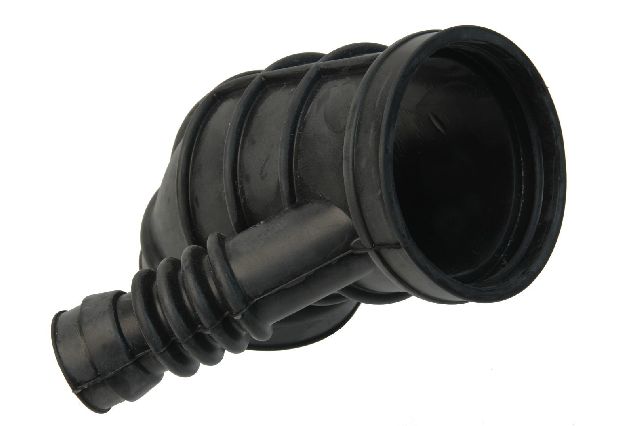
This is a perfect time to inspect other related parts. Check the small vacuum lines connected to the boot for cracks. Also, consider inspecting the DISA valve, which is located next to the throttle body, for proper operation. A faulty DISA valve can also cause performance issues. Finally, it's a good time to check your engine air filter and replace it if needed.
Technical Specifications
OEM Part Numbers: 13541438761 13541435627
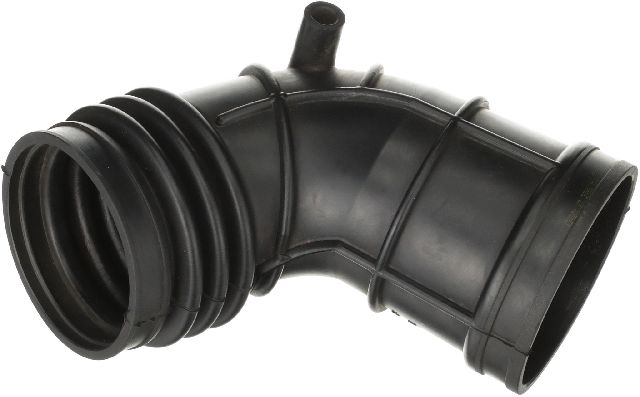
Typically a two-piece design made of EPDM rubber, connecting the Mass Airflow Sensor housing to the throttle body and idle control valve. Aftermarket versions are available in reinforced silicone.
We Have This Part in Stock

The information in this article is provided for general reference and educational purposes only. Vehicle specifications, procedures, and part compatibility can vary by production date, trim level, and region. Always consult your vehicle's factory service manual and verify part numbers before purchasing or performing repairs. Safety-critical components such as airbags, seat belts, and braking systems should be installed by a qualified professional.
- BMW 325Ci: