

BMW 325Ci Engine Coolant Temperature Sensor Guide (2001-2006)
Solving overheating, poor fuel economy, and Check Engine lights by replacing the right sensor.
- Your 325Ci has two coolant sensors; identify the correct one to replace based on symptoms and OBD-II codes.
- The sensor in the lower radiator hose is easy to replace; the one in the cylinder head is a very difficult job.
- For reliable performance, choose an OEM-equivalent brand like Delphi or Vemo for this critical electronic part.
- Always replace the sensor's O-ring or gasket to prevent coolant leaks.
Understanding the Two Coolant Sensors in Your 325Ci
Before buying a new sensor, it's critical to know which of the two sensors has failed. They have different functions and are in very different locations.
- DME Coolant Temperature Sensor (Cylinder Head): This is the main sensor the engine computer (DME) uses for critical calculations like fuel injection and ignition timing. It is located on the cylinder head, underneath the intake manifold. A failure here often causes a check engine light with code P0118, and can make the temperature gauge on your dash shoot straight to red, even when the engine is cold. This sensor is very difficult to access and replace. 🎬 See this walkthrough for replacing the cylinder head sensor.
- Radiator Outlet Temperature Sensor (Lower Hose): This secondary sensor is located in the lower radiator hose. Its primary job is to tell the electric cooling fan when to turn on. If this sensor fails, your fan may not activate, leading to overheating in traffic. It can also be a common source of coolant leaks. This sensor is much easier to replace and is a common DIY job. 🎬 Watch: How to replace the radiator outlet temperature sensor.
Pro Tip: Diagnose First
The OBD-II code is your best clue. 🎬 Watch: How to diagnose coolant sensor codes and overheating. A P0118 code usually points to the hard-to-reach sensor in the cylinder head, while a P0117 or issues with the cooling fan often point to the sensor in the lower radiator hose.
Choosing the Right Aftermarket Sensor
When it comes to sensors for a BMW, brand quality matters. While OEM is always an option, several aftermarket brands offer a good balance of quality and price.
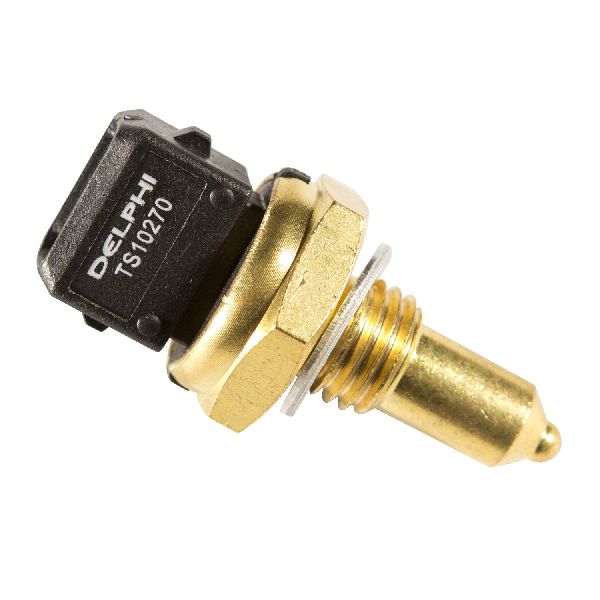
- OEM-Equivalent Brands (Recommended): Brands like Delphi, Vemo, and Beck Arnley have a strong reputation. Delphi is known for its robust, one-piece sensor designs that reduce failure points. Many BMW enthusiasts on forums recommend sticking with brands known to be OEM suppliers, such as Febi, to ensure reliability.
- Value-Oriented Brands: Brands like URO Parts, Four Seasons, and True Tech offer a more budget-friendly price. While functional, some forum users report mixed long-term reliability with budget brands for electronic components. For a simple sensor like the one in the lower radiator hose, these can be a viable option if cost is a primary concern.
Common Ordering Mistake
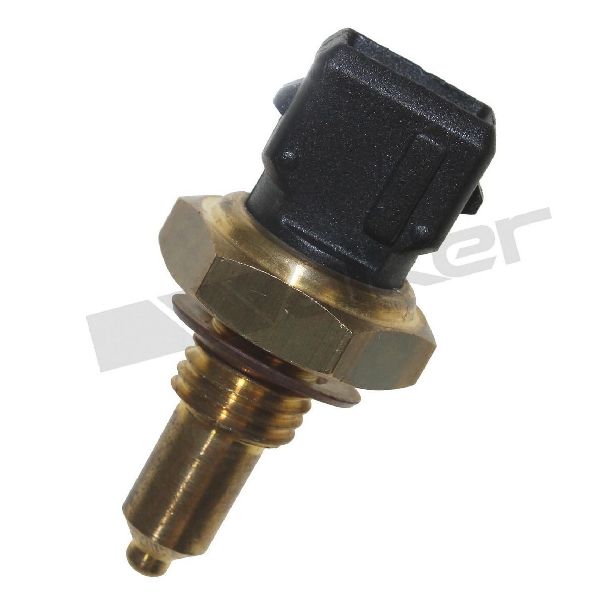
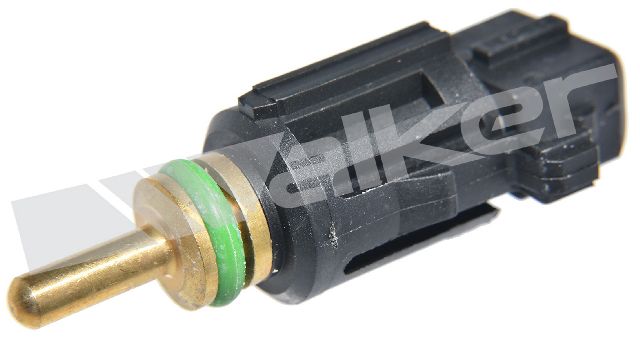
The two sensors for your 325Ci may look similar but have different part numbers (13621433076 for the head, 13621433077 for the hose). Always confirm which sensor you need to replace before ordering. Replacing the wrong one will not fix your issue.
Cost of Replacing an Engine Coolant Temperature Sensor (2001-2006 BMW 325Ci)
| Part/Service | Estimated Cost |
|---|---|
| New Aftermarket Sensor | $19 - $55 |
| New OEM BMW Sensor | $70 - $120 |
| Shop Labor (Lower Hose Sensor) | $80 - $150 |
| Shop Labor (Cylinder Head Sensor) | $400 - $700+ (due to intake manifold removal) |
Cost estimates are for the part or service only and do not include taxes, shop supplies, or diagnostic fees. Labor costs vary by region and shop.
Frequently Asked Questions
Can I replace just the sensor's O-ring if it's leaking?
Yes, if the only issue is a coolant leak from the sensor seal, you can often replace just the O-ring. However, given the low cost of a new sensor and the age of the vehicle, it is highly recommended to replace the entire sensor to prevent future electrical failure.
Is this a difficult DIY job?
It depends entirely on the sensor. Replacing the sensor in the lower radiator hose is a relatively easy DIY job for someone with basic tools, taking about 30-60 minutes. Replacing the sensor in the cylinder head is a very difficult job that requires removing the intake manifold and should only be attempted by experienced DIY mechanics.
Do I need to drain all the coolant to replace the sensor?
For the lower hose sensor, you will need to drain at least some of the coolant from the radiator to get the level below the sensor's position. If you are quick, you can swap the sensor with minimal coolant loss. For the cylinder head sensor, the cooling system should be fully drained as part of the larger job of removing the intake manifold.
Are there any recalls for this part?
No, there are no specific recalls or technical service bulletins (TSBs) from BMW or the NHTSA for the engine coolant temperature sensors on the 2001-2006 325Ci.
Helpful Videos
Technical Specifications
OEM Part Numbers: 13621433077 (For Lower Radiator Hose) 13621433076 (For Cylinder Head)
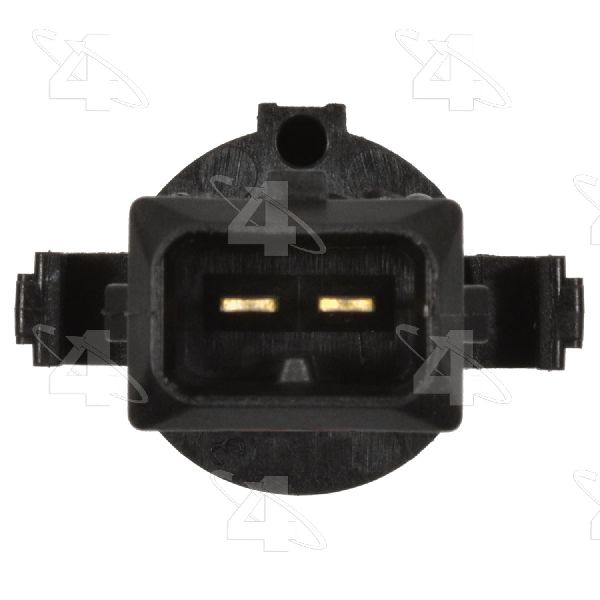
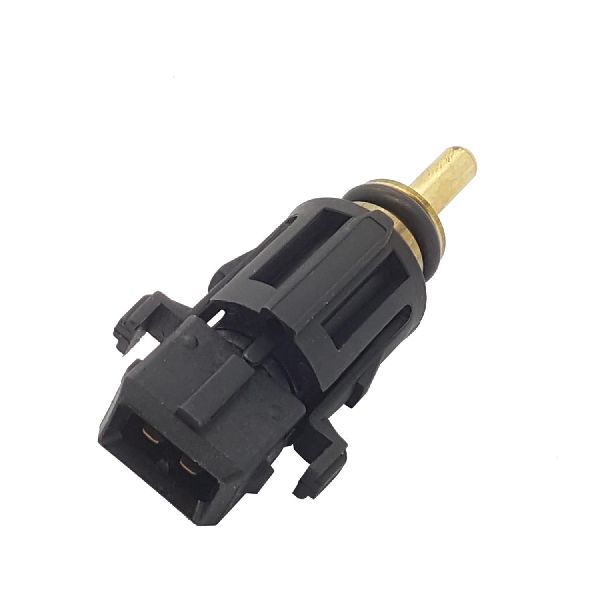
This vehicle uses two distinct sensors. The lower hose sensor is a push-in type with a 2-pin rectangular connector. The cylinder head sensor is a threaded type with a metal crush washer.
We Have This Part in Stock


The information in this article is provided for general reference and educational purposes only. Vehicle specifications, procedures, and part compatibility can vary by production date, trim level, and region. Always consult your vehicle's factory service manual and verify part numbers before purchasing or performing repairs. Safety-critical components such as airbags, seat belts, and braking systems should be installed by a qualified professional.
- BMW 325Ci: