

BMW 325Ci Crankcase Breather (CCV) System Guide (2001-2006)
Understanding the common failure of the crankcase ventilation system on your E46 325Ci and how to choose the right replacement parts.
- This is not a simple hose; it's a full system called the CCV, which is a known major failure point on the 325Ci's M54 engine.
- Always buy a complete kit with all four hoses and the separator valve; the old parts are brittle and will break during removal.
- Choose the 'cold climate' insulated version of the kit to prevent sludge buildup and freezing, which is a common cause of failure.
- This is a difficult, 4-8 hour job that requires removing the intake manifold, so choosing a quality brand like Febi or CRP is recommended to avoid repeating the labor.
Understanding CCV System Failure on the E46 325Ci
The crankcase breather hoses and the main oil separator valve are made of plastic and rubber. Over time, constant exposure to engine heat and oil vapors makes these parts very brittle. Eventually, they crack, break, or get clogged. This failure is not a matter of "if," but "when" for most E46 owners.
Cold Weather & Short Trips Make It Worse
If you live in a cold climate or frequently take short drives where the engine doesn't fully warm up, condensation can build up in the CCV system. This moisture mixes with oil to form a thick, yellowish sludge that looks like mayonnaise. In freezing temperatures, this sludge can turn to ice, completely blocking the system. A blocked system can create excessive crankcase pressure, potentially leading to serious engine damage like blown seals.
Symptoms of a Failing CCV System
A bad CCV system can cause a range of problems. You might notice one or more of the following signs:
- High Oil Consumption: The most common symptom is a sudden need to add oil between changes. A failed system can suck oil into the intake manifold, where it gets burned.
- Rough Idle: Cracked hoses create vacuum leaks, letting unmetered air into the engine. This disrupts the air-fuel mixture and can cause a rough, unstable idle, especially when cold.
- Check Engine Light: These vacuum leaks will often trigger the Check Engine Light with lean mixture codes like P0171 and P0174.
- Blue or White Smoke from Exhaust: This is a clear sign your engine is burning oil that has been pulled through the faulty CCV system.
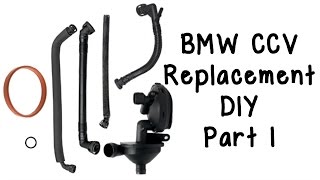
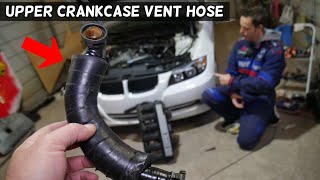
- Whistling or Sucking Noises: A loud "honking," whistling, or sucking sound from the engine bay at idle can indicate a large crack in a hose or a ruptured separator diaphragm. 🎬 Watch this video to see these CCV symptoms in action.
Always Replace the Full Kit
The plastic hoses become incredibly fragile with age and are almost guaranteed to break during removal. Because of this, you should never plan to replace just one broken hose. Always buy a complete kit that includes the oil separator valve and all four connecting hoses.
Choosing the Right Aftermarket CCV Kit
When shopping for a replacement, you'll find several brands. Given the difficulty of the replacement job, choosing a quality part to avoid doing the work twice is important.
| Brand Tier | Brands | General Consensus |
|---|---|---|
| OEM Supplier / Premium Aftermarket | CRP, Febi | These brands are often OEM suppliers for BMW or are known for high-quality parts that fit and function correctly. Forum users often recommend sticking to known, quality brands for this job to ensure longevity. Febi is a well-regarded option for a complete kit. |
| Standard Aftermarket | Vaico, Gates, Standard Ignition | These brands offer a balance of cost and quality. They are generally considered acceptable for many repairs, but for a labor-intensive job like the CCV, some owners prefer to pay more for a premium brand to be safe. |
| Budget Aftermarket | URO Parts, BBR | URO Parts has a mixed reputation; while some have had success with non-critical parts, many experienced mechanics and forum users advise against using them for difficult-to-access components like the CCV system due to concerns about fit and durability. It's often recommended to spend more on a better kit to avoid premature failure. |
Known Issues, Recalls, and TSBs
There are no specific recalls or Technical Service Bulletins (TSBs) from BMW or the NHTSA for the crankcase ventilation system on the 2001-2006 325Ci. However, the system's tendency to fail is widely documented in owner forums and by independent mechanics, making it a well-known weak point. The vehicle does have several unrelated recalls, primarily for Takata airbags.
Frequently Asked Questions (FAQ)
Should I get the standard or 'cold climate' CCV kit?
It is highly recommended to install the 'cold climate' or insulated version of the CCV kit, even if you don't live in a very cold area. The foam insulation helps the system warm up faster, which reduces the condensation and sludge buildup that causes clogs. This is especially important for drivers who make frequent short trips.
Is this a DIY job?
This is considered a challenging DIY project for an experienced home mechanic. The CCV system is located under the intake manifold, which typically must be removed for access. The job can take between 4 to 8 hours. 🎬 Follow this step-by-step guide to replacing your CCV system. If you are not comfortable with extensive engine work, it is best left to a professional.
What happens if I don't replace a bad CCV system?
Ignoring a failing CCV system can lead to more expensive problems. Continued high oil consumption can foul spark plugs and damage expensive catalytic converters. In a worst-case scenario, a completely blocked system in freezing weather can create enough pressure to blow engine seals, causing major oil leaks and requiring costly repairs.
What is a CCV delete or catch can, and should I consider it?
Some owners modify their cars to remove the CCV system and install a "catch can" instead. This is a complex modification that is not recommended for most owners. It can create its own set of problems if not done correctly and may not be legal for street use in all areas. For a daily-driven vehicle, sticking with a high-quality, cold-climate version of the stock CCV system is the most reliable solution.
🎬 See how some owners use a PCV conversion as an alternative.Helpful Videos

Technical Specifications
OEM Part Numbers: 11617501566 11157532649 11611432559 11617504535 11617504536
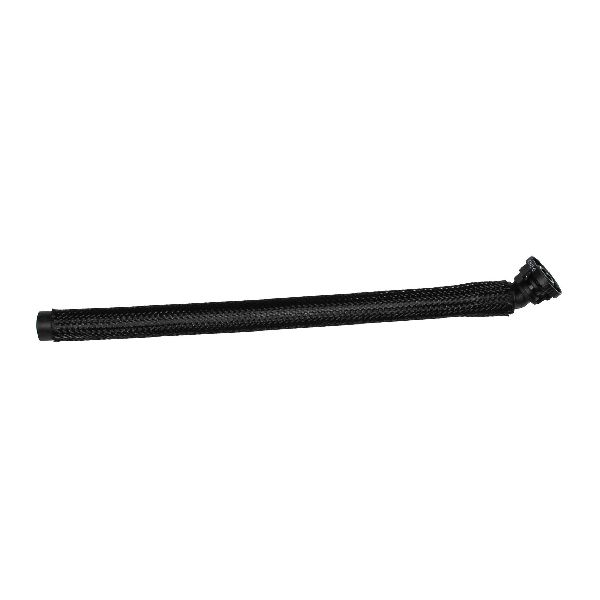
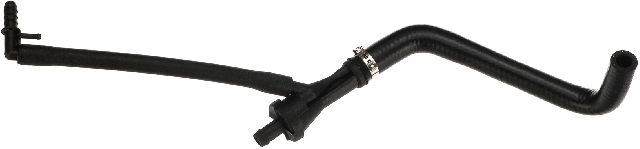
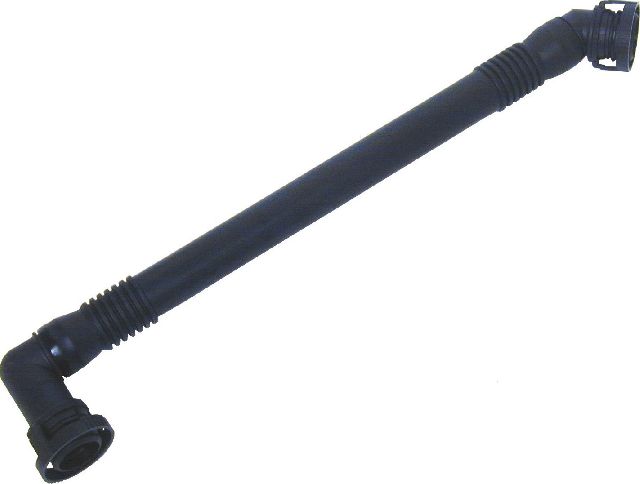
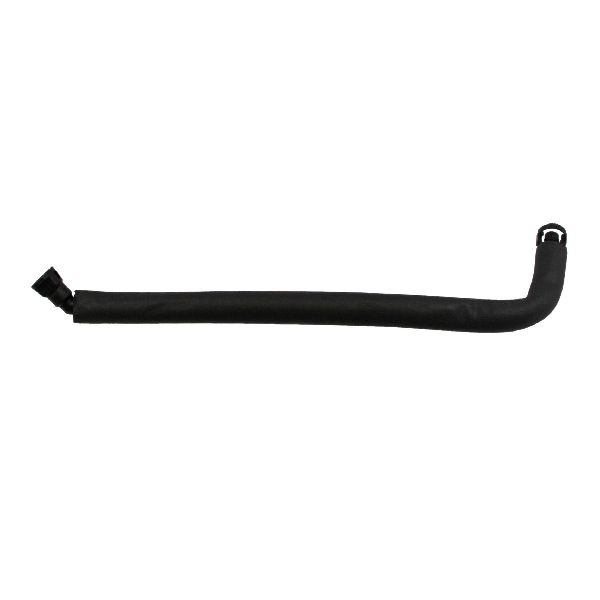
System consists of one oil separator valve and four connecting plastic hoses. An insulated 'cold climate' version is available and recommended.
We Have This Part in Stock



The information in this article is provided for general reference and educational purposes only. Vehicle specifications, procedures, and part compatibility can vary by production date, trim level, and region. Always consult your vehicle's factory service manual and verify part numbers before purchasing or performing repairs. Safety-critical components such as airbags, seat belts, and braking systems should be installed by a qualified professional.
- BMW 325Ci:
- 🎬 Helpful Videos
- 🛍️ Shop This Part
- Understanding CCV System Failure on the E46 325Ci
- Cold Weather & Short Trips Make It Worse
- Symptoms of a Failing CCV System
- Always Replace the Full Kit
- Choosing the Right Aftermarket CCV Kit
- Known Issues, Recalls, and TSBs
- Frequently Asked Questions (FAQ)
- 🎟️ Get 5% Off