

A Practical Guide to the 2001-2006 BMW 325xi Engine Coolant Temperature Sensor
Is your BMW 325xi's cooling fan acting strange or is the car running rough? Your coolant temperature sensor could be the problem.
- Your 325xi has two coolant sensors; this guide is for the easy-to-replace one in the lower radiator hose that controls the fan.
- The most common symptoms of failure are the electric fan running constantly or not running at all, which can lead to overheating.
- For reliability, choose an OEM-equivalent brand like Delphi, Vemo, or Febi over the cheapest budget options.
- This is a simple DIY replacement that can be done in under an hour and can prevent expensive overheating damage.
Understanding the Two Coolant Sensors in Your 325xi
It is critical to know that the 2001-2006 BMW 325xi uses two different coolant temperature sensors. Ordering the wrong one is a common mistake.
- Cylinder Head Sensor (DME Sensor): This sensor is located on the engine's cylinder head, buried under the intake manifold. It is very difficult to access. A failure here causes major running issues like hard starting, poor fuel economy, and a rough idle. Its part number is typically 13621433076.
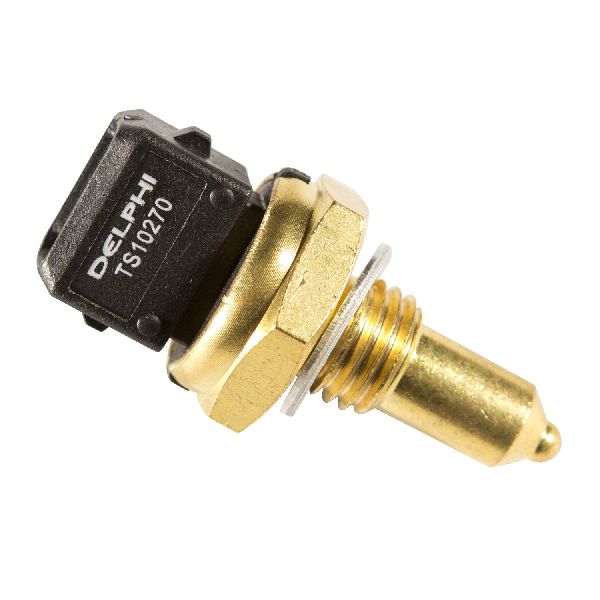
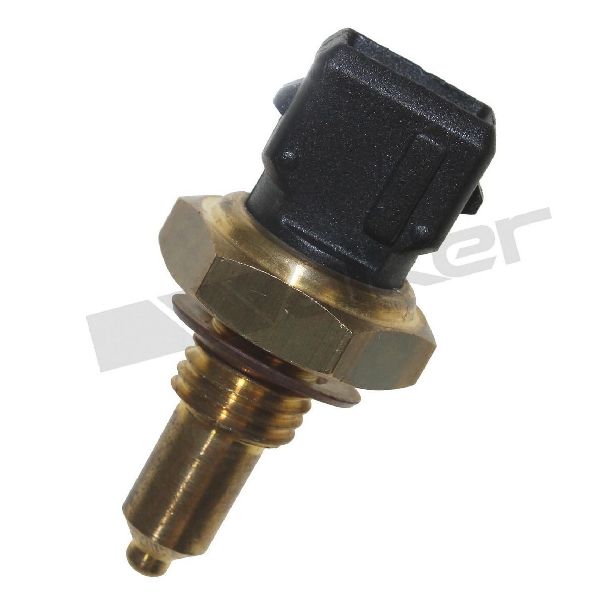
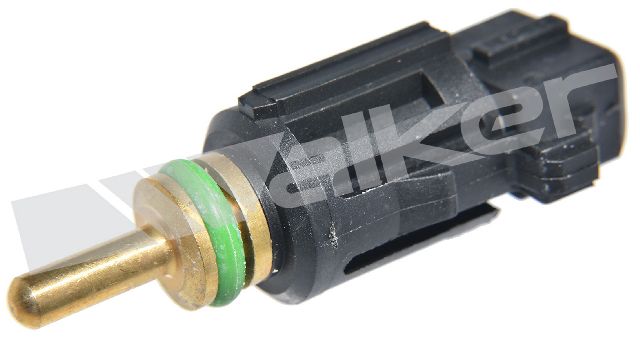
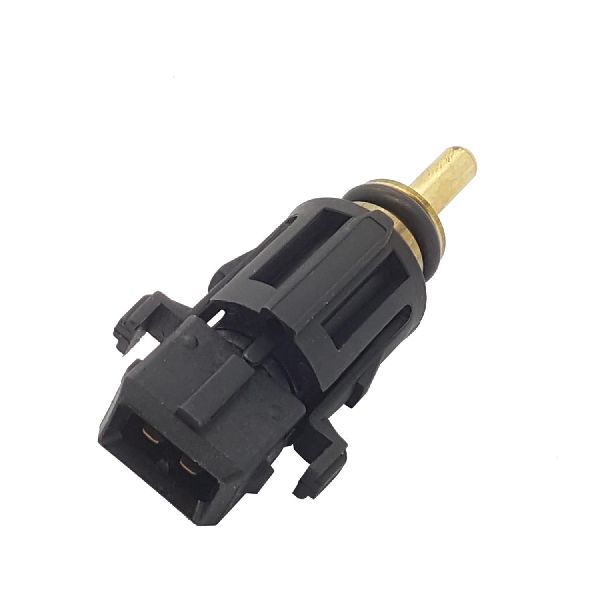
- Radiator Outlet Sensor (Fan Sensor): This sensor is located in the lower radiator hose on the passenger side of the engine bay. It is much easier to access and replace. Its main job is to help control the electric cooling fan. This guide is about this specific sensor, part number 13621433077.
Symptoms of a Failing Radiator Outlet Sensor
When the radiator outlet temperature sensor fails, you will notice issues related to the cooling system's performance, rather than how the engine runs. Look for these signs:
- Electric Cooling Fan Runs Constantly: The fan may switch to full speed as soon as you start the car, even when the engine is cold. This is a fail-safe mode triggered by the DME when it gets an illogical signal from the sensor.
- Electric Cooling Fan Never Turns On: The opposite can also happen. The sensor might fail to report that the coolant is getting hot, so the fan never activates. This can lead to overheating when the car is stationary or in slow-moving traffic.
- Engine Overheating in Traffic: If the fan doesn't turn on, the engine can overheat when there is no airflow through the radiator, like at a stoplight. The temperature gauge may climb into the red.
- Coolant Leaks: The O-ring that seals the sensor in the radiator hose can become old and brittle, causing a slow coolant leak. You might see blue, dried coolant residue around the sensor or drips on the undertray.
A Note on Check Engine Lights
While a failing radiator outlet sensor can sometimes contribute to a Check Engine Light (CEL), it's less common than with the cylinder head sensor. If your main complaints are poor fuel economy, a rough idle, and a CEL with codes like P0117 or P0118, the problem is more likely the harder-to-reach sensor in the cylinder head.
Choosing the Right Aftermarket Sensor
For a sensitive German car like the E46 325xi, not all aftermarket parts are created equal. While this sensor is a simple part, a low-quality one can fail quickly or send inaccurate readings, causing the same problems to return. It is generally recommended to avoid the cheapest options and stick with brands known for quality electronics.
Brand Quality Tiers
Tier 1: OEM Supplier / Equivalent Brands
These brands are known to manufacture parts for BMW or are highly regarded for their quality and reliability. They are the safest bet for a long-lasting repair.
Examples: Delphi, Vemo (by Vierol), NGK (NTK), Febi Bilstein.
Tier 2: Reputable Aftermarket Brands
These are well-known brands in the aftermarket world that produce reliable parts. They are a good balance of cost and quality.
Examples: Beck Arnley, Standard Ignition (SMP), Walker Products.
Tier 3: Budget Brands
These brands focus on being the most affordable option. While tempting, there is a higher risk of premature failure or inaccurate performance with electronic sensors. Use with caution.
Examples: URO Parts, various store brands.
Pro Tip: Replace the O-ring
Most new sensors come with a new O-ring. Always use it. If you are reusing a sensor for some reason, always install a new O-ring to prevent leaks. It's also a good idea to replace this sensor whenever you replace the lower radiator hose.
Cost Comparison
| Part Type | Estimated Cost |
|---|---|
| New OEM (from dealer) | $50 - $70 |
| New Aftermarket (Tier 1/2) | $25 - $55 |
| New Aftermarket (Budget) | $19 - $25 |
| Shop Labor | $60 - $120 |
Frequently Asked Questions (FAQ)
How many coolant temp sensors does my 2001-2006 325xi have?
Your BMW 325xi has two coolant temperature sensors. One is in the cylinder head for the engine computer (DME), and the other is in the lower radiator hose for the cooling fan. This guide is for the one in the radiator hose.
Where is the radiator outlet sensor located?
It is plugged into the lower radiator hose, on the passenger side of the engine bay. Look down between the radiator and the engine, and you will see the sensor's electrical connector on the large black hose.
Can I replace this sensor myself?
Yes, this is a very DIY-friendly job for most home mechanics. You will need to drain a small amount of coolant. Access is a bit tight, but it can be done without removing major components. The sensor is held in by a simple clip. The entire job should take less than an hour.
What happens if I don't replace a bad radiator outlet sensor?
If the sensor fails in a way that prevents the fan from turning on, your engine can overheat in traffic, potentially causing serious damage like a blown head gasket. If it fails with the fan constantly on, it puts unnecessary wear on the fan motor and is a nuisance, but is less dangerous.
Technical Specifications
OEM Part Numbers: 13621433077 13627788077
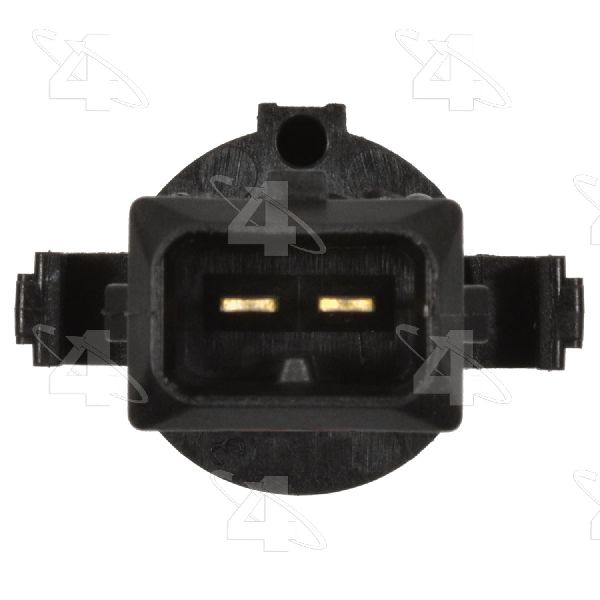
2-pin connector, located in the lower radiator hose. Primarily used for auxiliary fan control.
We Have This Part in Stock


The information in this article is provided for general reference and educational purposes only. Vehicle specifications, procedures, and part compatibility can vary by production date, trim level, and region. Always consult your vehicle's factory service manual and verify part numbers before purchasing or performing repairs. Safety-critical components such as airbags, seat belts, and braking systems should be installed by a qualified professional.
- BMW 325xi: