

Your Complete Guide to Oxygen Sensors for the 2001-2006 BMW 330Ci
Solve check engine lights and poor fuel economy by choosing the right oxygen sensor for your E46 BMW.
- For lean codes P0171 and P0174, always check for vacuum leaks before replacing oxygen sensors, as leaks are a very common issue on the E46 M54 engine.
- Stick to OEM brand Bosch or other top-tier OE suppliers like NGK/NTK and Denso for reliability and to avoid compatibility problems with your BMW's sensitive computer.
- Your 330Ci has four sensors; two upstream for fuel control and two downstream for catalyst monitoring. Ensure you order the correct part for the specific location.
- A special 22mm (7/8") slotted oxygen sensor socket is highly recommended and makes the replacement job much easier.
Understanding Oxygen Sensor Failure in Your 330Ci
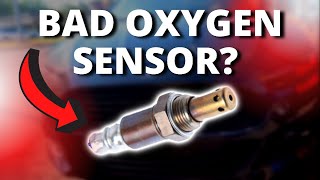
When an oxygen sensor in your E46 330Ci starts to fail, it sends incorrect information to your engine's computer. This can lead to several noticeable problems. The most common sign is a Check Engine Light on your dashboard. You may also experience reduced fuel economy, a rough or unstable idle, engine hesitation, or a failure to pass an emissions test. In some cases, you might notice a smell like rotten eggs from the exhaust, which is a sign of unburned fuel. While these symptoms 🎬 Watch: Learn more about the symptoms of a bad sensor point towards a bad sensor, it's crucial to read the diagnostic trouble codes with an OBD2 scanner to confirm which of the four sensors has failed.
First, Check for Vacuum Leaks
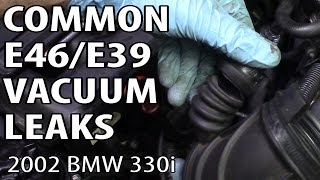
The M54 engine in your 330Ci is famous for developing vacuum leaks from aging rubber and plastic parts. These leaks often trigger lean codes like P0171 and P0174. While a bad oxygen sensor can cause these codes, a vacuum leak is a more common culprit. Before spending money on new sensors, it is highly recommended to inspect the intake boots, CCV system hoses, and other vacuum lines for cracks and leaks. Fixing a $20 hose is much cheaper than replacing sensors that may not be faulty.
Choosing the Right Aftermarket Oxygen Sensor
The electronics in your BMW are sensitive and expect precise data. For this reason, not all aftermarket oxygen sensors are created equal. Using a low-quality sensor can cause persistent performance issues, incorrect fuel mixture, and new check engine light codes. It is critical to choose a brand known for its quality and compatibility with European vehicles.
Brand Quality Tiers for Your BMW 330Ci
- Top Tier (OEM/OE Recommended): Bosch is the Original Equipment Manufacturer (OEM) for your 330Ci's oxygen sensors. This means they made the original part for BMW. Choosing a Bosch sensor is the safest and most recommended option for a guaranteed fit and proper function. NGK (also sold as NTK) and Denso are also top-tier Japanese brands with a strong reputation for quality and are considered safe alternatives.
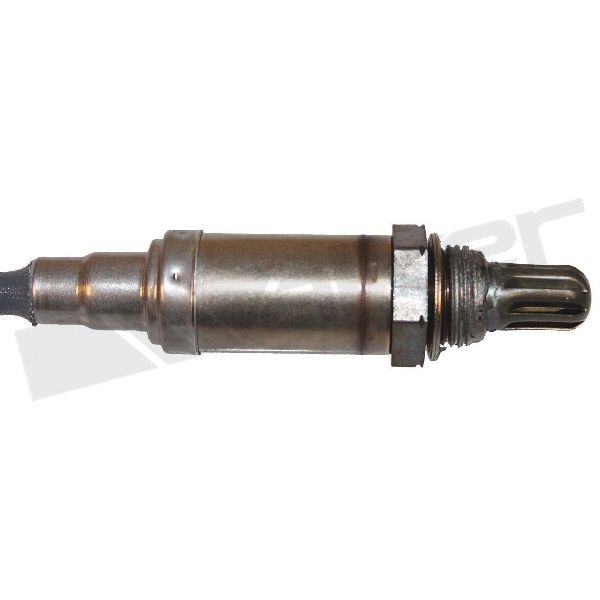
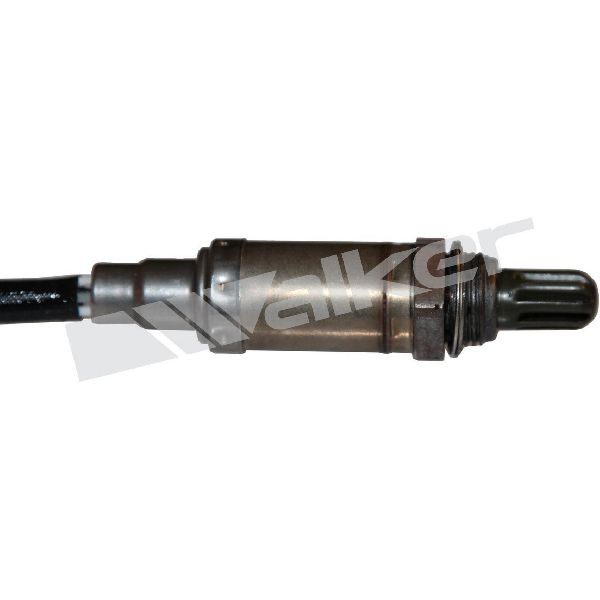
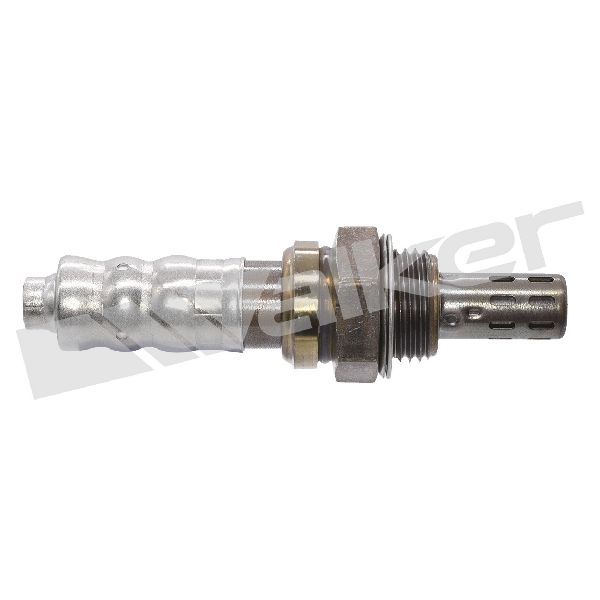
- Mid-Tier (Use With Caution): Brands like Delphi and Walker Products are established aftermarket names. However, owner experiences can be mixed, especially with sensitive German engines. While they may work, they might not offer the same lifespan or precision as the OEM part.
- Budget-Tier (Not Recommended): Brands such as URO Parts, DriveWire, Facet, and other unbranded or store-brand sensors are not recommended for this vehicle. The low price is tempting, but they have a high rate of failure, can provide inaccurate readings, and often cause more problems than they solve, costing you more time and money in the long run.
Always Use a Direct-Fit Sensor
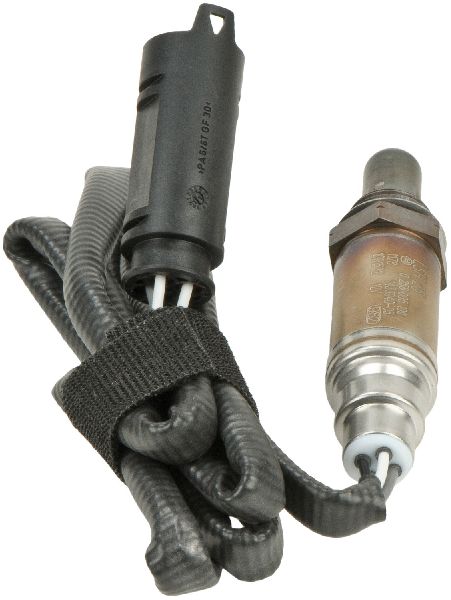
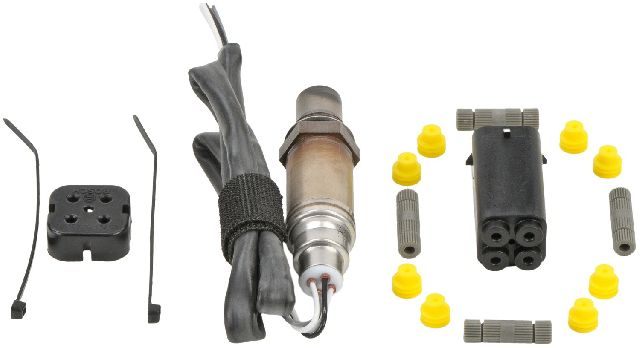
Make sure you buy a "direct-fit" sensor that includes the correct electrical connector for your car. Avoid "universal" sensors that require you to cut and splice wires. An improper connection can cause resistance issues and faulty readings, defeating the purpose of the replacement.
Known Issues, Recalls, and Service Bulletins
There are no active recalls from the NHTSA for the oxygen sensors on the 2001-2006 BMW 330Ci. However, there is a relevant Technical Service Bulletin (TSB). Some vehicles may experience an issue where the oxygen sensor "readiness monitor" will not set, causing an automatic failure of an emissions test, even with perfectly good sensors. This is due to a software error in the engine computer (DME). If you have replaced your sensors and still can't pass emissions because of a readiness code issue, a BMW dealer or specialist shop may need to reprogram your DME with updated software to fix the problem.
Cost of Replacing a BMW 330Ci Oxygen Sensor
The cost can vary significantly based on the brand of the part and who does the labor.
| Item | Estimated Cost |
|---|---|
| New OEM/OE Quality Sensor (e.g., Bosch) | $90 - $218 per sensor |
| New Aftermarket Sensor (Mid to Budget Tier) | $25 - $90 per sensor |
| Shop Labor | $150 - $300 (for one or two sensors) |
Frequently Asked Questions (FAQ)
How many oxygen sensors does my 2001-2006 330Ci have?
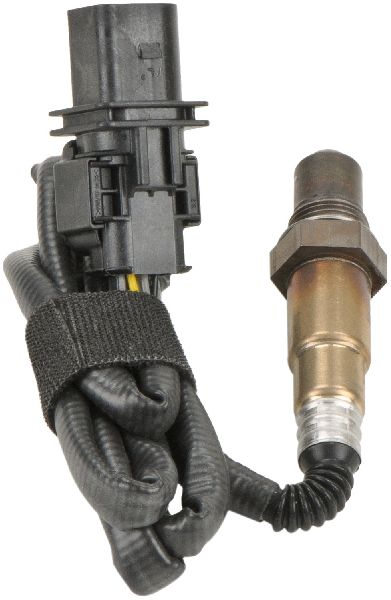
Your car has four oxygen sensors. There are two upstream (pre-cat) sensors, one for cylinders 1-3 (Bank 1) and one for cylinders 4-6 (Bank 2). There are also two downstream (post-cat) sensors, one for each bank.
What is the difference between an upstream and a downstream sensor?
Upstream (pre-cat) sensors are the most important; they constantly adjust the air-fuel ratio for engine performance. Downstream (post-cat) sensors are only there to check if the catalytic converters are working correctly. Upstream sensors are typically a different part number than downstream sensors.
Should I replace all four sensors at once?
It is not required, but it is good practice. Oxygen sensors age and degrade over time. If one has failed, the others are likely near the end of their service life. To ensure balanced and accurate readings, it is often recommended to replace them in pairs (both upstream or both downstream) or all four at once if they are original and have high mileage.
Can I clean my old oxygen sensor?
While some online sources suggest cleaning a sensor, it is generally not an effective or long-lasting solution. The sensing element becomes contaminated and worn out internally over time. Replacement is the only reliable repair.
Is replacing an oxygen sensor a DIY job?
Yes, it is a manageable DIY task for someone with mechanical experience. However, the sensors can be seized in the exhaust and difficult to remove without the proper tool. A special 22mm (7/8") oxygen sensor socket with a slot for the wire is essential for the job.
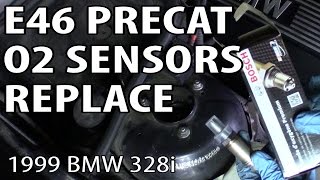
🎬 Watch: A step-by-step DIY walkthrough for replacing pre-cat sensorsHelpful Videos
Technical Specifications
OEM Part Numbers: 11781742050 11781433940 11787514926 11787514927
The 2001-2006 BMW 330Ci uses four heated oxygen sensors. The upstream sensors are wideband types for precise air-fuel ratio measurement, while the downstream sensors are typically narrower band switching types for catalyst monitoring. All sensors use a direct-fit electrical connector.
We Have This Part in Stock

The information in this article is provided for general reference and educational purposes only. Vehicle specifications, procedures, and part compatibility can vary by production date, trim level, and region. Always consult your vehicle's factory service manual and verify part numbers before purchasing or performing repairs. Safety-critical components such as airbags, seat belts, and braking systems should be installed by a qualified professional.
- BMW 330Ci:
- 🎬 Helpful Videos
- 🛍️ Shop This Part
- Understanding Oxygen Sensor Failure in Your 330Ci
- First, Check for Vacuum Leaks
- Choosing the Right Aftermarket Oxygen Sensor
- Brand Quality Tiers for Your BMW 330Ci
- Always Use a Direct-Fit Sensor
- Known Issues, Recalls, and Service Bulletins
- Cost of Replacing a BMW 330Ci Oxygen Sensor
- Frequently Asked Questions (FAQ)
- 🎟️ Get 5% Off