

BMW 330xi (2001-2006) Engine Coolant Temperature Sensor: A Complete Guide
Your E46 330xi has two different coolant sensors; learn which one has failed and how to choose the right replacement.
- Your 330xi has two coolant sensors: a main one under the intake for the ECU and a secondary one in the lower radiator hose for the fan.
- Replacing the main sensor is a difficult, labor-intensive job requiring intake manifold removal; choose a high-quality aftermarket brand to avoid repeat repairs.
- Symptoms like poor MPG and black smoke point to the main sensor, while overheating at idle points to the secondary sensor.
- There are no recalls for this part; all active recalls for this vehicle concern airbags.
Understanding Your 330xi's Two Coolant Sensors
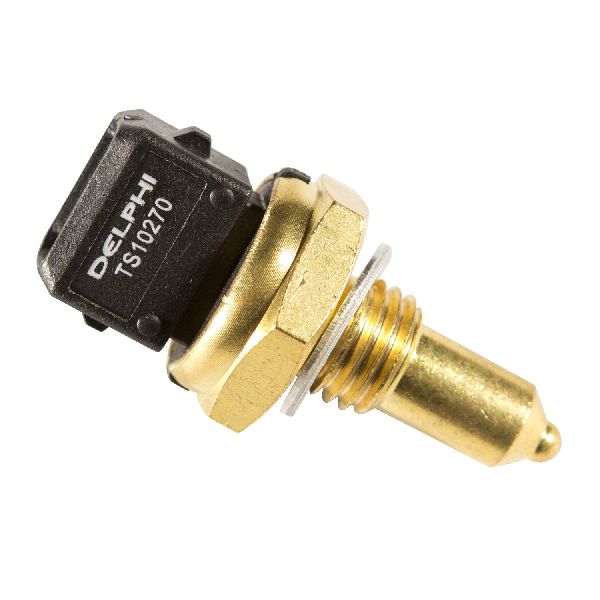
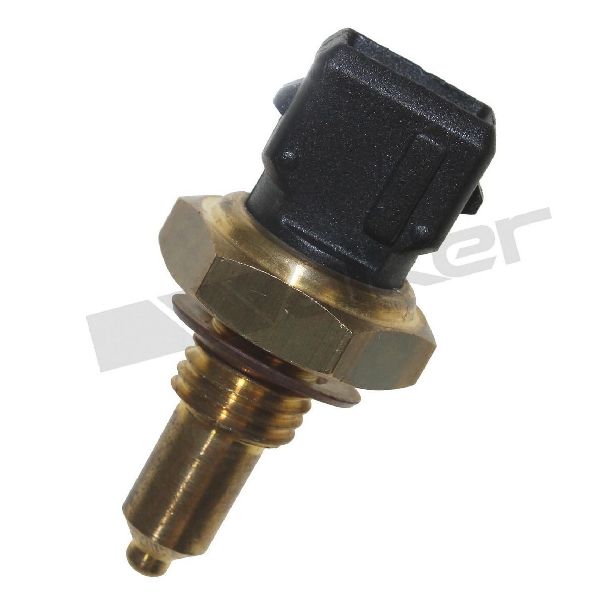
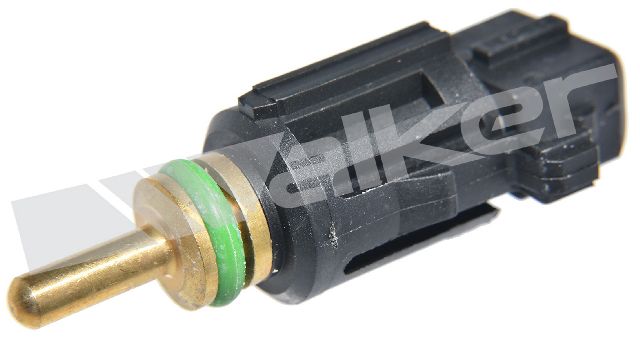
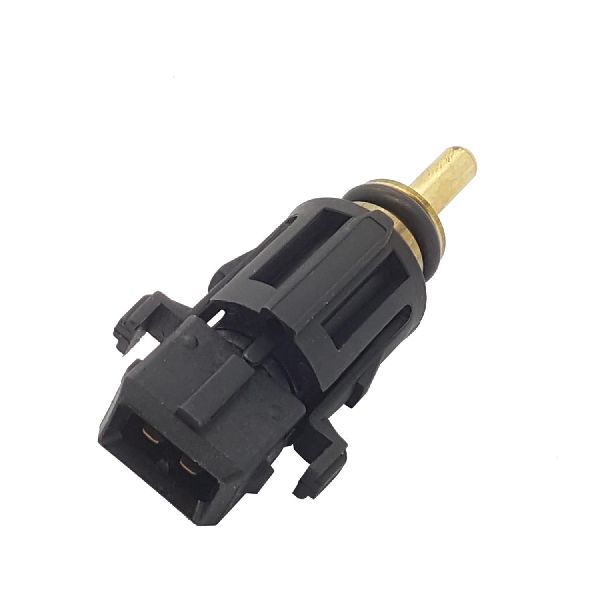
When dealing with a coolant temperature sensor issue on your E46 330xi, it's important to know there are two. The most critical sensor for engine performance is buried in the cylinder head under the intake manifold. The second, easier-to-access sensor is clipped into the lower radiator hose. While they may use the same part number (OEM P/N 13621433077), their failure symptoms and replacement difficulty are very different.
Common Symptoms of a Failing Coolant Temp Sensor
A bad coolant temperature sensor can cause a range of problems, from annoying to severe. Because it provides key data for fuel management, a faulty sensor often makes the engine think it's colder than it actually is. Look for these common signs:
- Poor Fuel Economy: This is one of the most common symptoms. The engine runs a rich fuel mixture, wasting gas because it thinks it's in a constant state of warm-up.
- Check Engine Light: A failed sensor will almost always trigger a check engine light. Common diagnostic trouble codes include P0115, P0116, P0117, and P0118.
- Black Smoke from Exhaust: The rich fuel mixture can lead to unburnt fuel exiting through the exhaust, appearing as black smoke.
- Engine Overheating: If the sensor in the lower radiator hose fails, it may not trigger the cooling fan, causing the engine to overheat in traffic or at idle.
- Hard Starting or Rough Idle: Incorrect fuel data can make the engine difficult to start when partially warm or cause it to idle erratically.
Installation Warning: Know Which Sensor You're Replacing
The sensor in the lower radiator hose is a simple replacement that most DIY mechanics can do in under an hour. However, the main sensor in the cylinder head is a much more involved job that requires removing the entire intake manifold. This can take a professional mechanic 3-4 hours. Do not underestimate the difficulty of replacing the main sensor.
Choosing the Right Aftermarket Sensor
Since the labor to replace the main sensor is expensive, this is not a part where you want to cut corners. A cheap, unreliable sensor that fails early will cost you far more in the long run. We can group the available aftermarket brands into tiers:
- Tier 1: OEM-Equivalent Brands (Recommended): Brands like Delphi, NGK/NTK, and Vemo are often original equipment manufacturers for BMW and other German brands. They offer the best quality and reliability outside of a Genuine BMW part.
- Tier 2: Reputable Aftermarket: Brands like Beck Arnley, Standard Ignition (SMP), and Four Seasons generally have a good reputation for quality and are a solid choice if OEM-equivalent brands are not available.
- Tier 3: Budget Brands (Use with Caution): Brands like URO Parts, Facet, and other low-cost options have a mixed reputation in BMW communities. While they are inexpensive, the risk of premature failure makes them a poor choice for the hard-to-access main sensor. They may be acceptable for the easily replaced lower hose sensor if you are on a tight budget.
Pro Tip: If you are replacing your lower radiator hose as part of a cooling system overhaul, it is highly recommended to replace the temperature sensor at the same time. The old sensor's O-ring can fail to seal properly in the new hose, causing a coolant leak.
Cost to Replace a BMW 330xi Coolant Temperature Sensor
| Part/Service | Estimated Cost |
|---|---|
| New Aftermarket Sensor | $19 - $55 |
| New OEM Sensor | $45 - $70 |
| Shop Labor (Lower Hose Sensor) | $100 - $200 |
| Shop Labor (Main Cylinder Head Sensor) | $300 - $750+ |
Frequently Asked Questions
How do I know which of the two sensors is bad?
If your main symptoms are poor fuel economy, black smoke, and rough running, the main sensor in the cylinder head is the likely culprit. If your primary issue is the cooling fan not running or the car overheating at idle, suspect the sensor in the lower radiator hose. A professional diagnosis with a BMW-specific scan tool can read data from both sensors to confirm which one has failed.
Can I replace the main coolant sensor myself?
Replacing the main sensor is a difficult DIY job. It requires draining the coolant and removing the air filter box, intake boots, and the entire intake manifold to gain access. This job is recommended for experienced DIY mechanics only. The lower hose sensor, however, is very easy to replace.
Are there any recalls for this part?
No. While there are several open recalls for the 2001-2006 BMW 330xi, they are all related to faulty airbags and do not involve the cooling system or its sensors.
Is it okay to use a cheap aftermarket sensor?
For the easily accessible sensor in the lower radiator hose, a budget brand might be an acceptable risk. However, for the main sensor located under the intake manifold, it is strongly advised to use a high-quality OEM-equivalent brand like Delphi or NGK. The labor cost to replace it is too high to risk an early part failure from a budget brand.
Technical Specifications
OEM Part Numbers: 13621433077
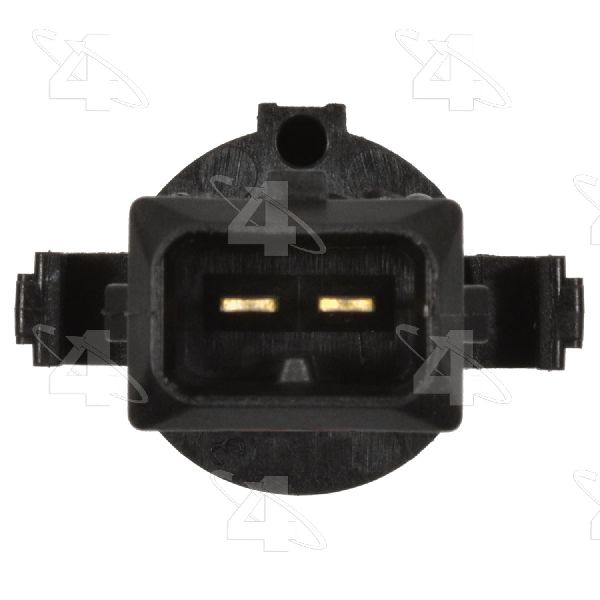
This is a 2-pin Negative Temperature Coefficient (NTC) thermistor. Its electrical resistance decreases as the coolant temperature increases, sending a variable voltage signal to the DME.
We Have This Part in Stock


The information in this article is provided for general reference and educational purposes only. Vehicle specifications, procedures, and part compatibility can vary by production date, trim level, and region. Always consult your vehicle's factory service manual and verify part numbers before purchasing or performing repairs. Safety-critical components such as airbags, seat belts, and braking systems should be installed by a qualified professional.
- BMW 330xi:
- 🛍️ Shop This Part
- Understanding Your 330xi's Two Coolant Sensors
- Common Symptoms of a Failing Coolant Temp Sensor
- Installation Warning: Know Which Sensor You're Replacing
- Choosing the Right Aftermarket Sensor
- Cost to Replace a BMW 330xi Coolant Temperature Sensor
- Frequently Asked Questions
- 🎟️ Get 5% Off