

Ignition Knock Sensor Guide for 2001-2006 Chevrolet Express 2500
Learn about the common knock sensor issues in your Express van and how to choose the right replacement parts for the job.
- The knock sensors are located under the intake manifold, making replacement a labor-intensive job.
- Water intrusion is the primary cause of failure; always replace both sensors, the wiring harness, and the intake gaskets at the same time.
- Use a bead of RTV silicone to build a dam around the sensor holes to prevent future water damage.
- Stick with high-quality brands like ACDelco or Delphi to avoid repeating the repair.
A Common and Critical Failure
For the 2001-2006 Chevrolet Express 2500, one of the most common reasons for knock sensor failure is their location. The two sensors sit in recessed cavities in the engine valley, underneath the intake manifold. This design makes them prone to water intrusion from rain or engine washing. Over time, this moisture pools in the sensor cavities, causing the sensors and the wiring harness to rust and corrode, leading to failure. This is a well-documented issue on this generation of GM trucks and vans.
This is a Labor-Intensive Job
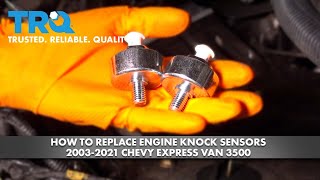
Replacing the knock sensors on these vans requires removing the entire intake manifold. 🎬 Watch a step-by-step knock sensor replacement on a GMC Savana. Because of the high labor involved, it is strongly recommended to replace both knock sensors, the knock sensor wiring harness, and the intake manifold gaskets at the same time. Using a cheap, low-quality sensor to save a few dollars is not worth the risk of having to do the entire job over again in a few months.
Choosing the Right Aftermarket Knock Sensor
When shopping for new aftermarket knock sensors, quality should be your top priority. The market is filled with options, but they are not all created equal. Here’s a breakdown of brand quality based on owner experiences and mechanic recommendations:
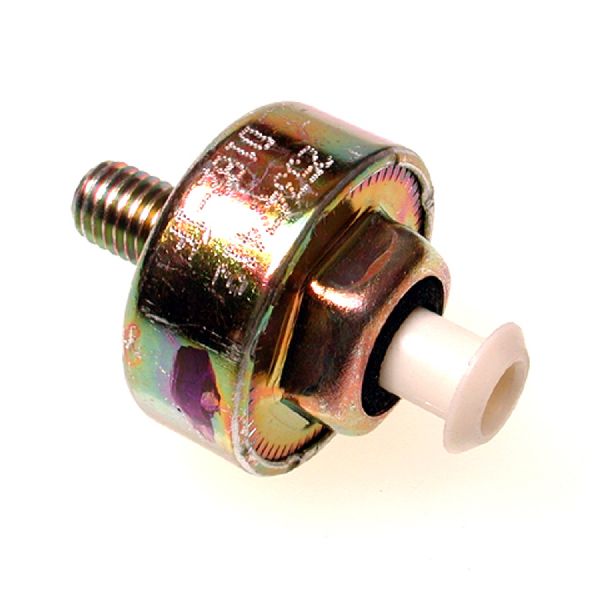
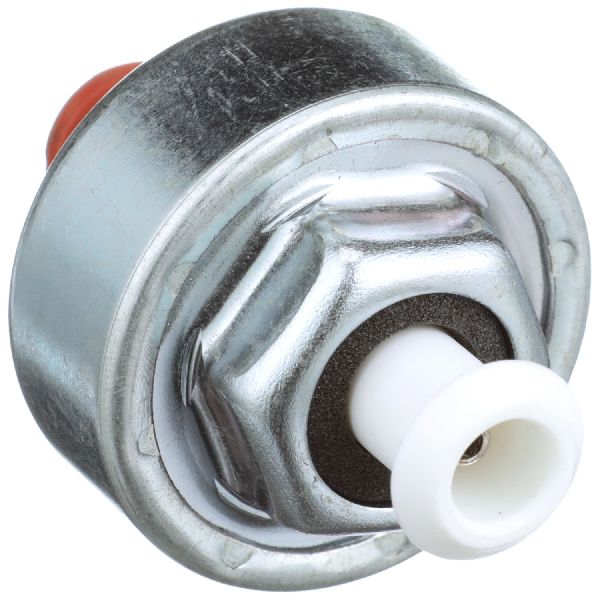
- Top Tier (OEM or Equivalent): Brands like ACDelco (the original GM parts supplier) and Delphi are widely considered the best choices. They are manufactured to original equipment specifications, ensuring proper function and longevity. Given the difficulty of this repair, spending a little more on one of these brands is a wise investment.
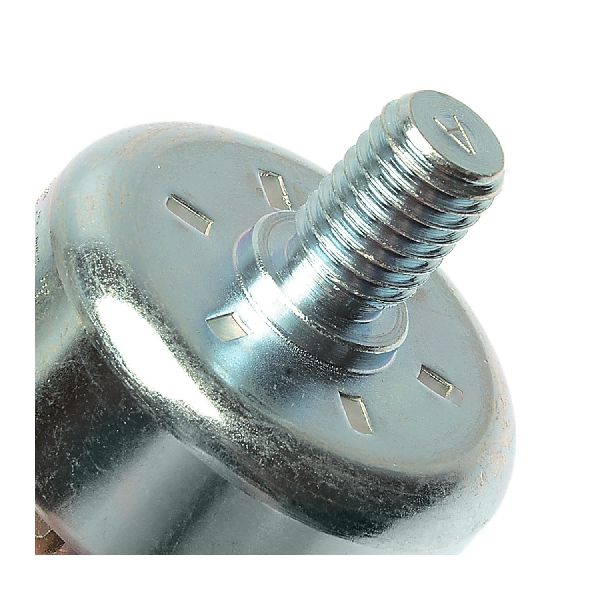
- Reputable Aftermarket: Brands such as NGK (NTK) and Standard Ignition (SMP) have a solid reputation for producing reliable sensors. They are a good alternative if OEM-level parts are not available.
- Budget Brands: Other brands like Walker Products, Holstein, and various private labels offer a lower price point. However, some owners report higher failure rates with budget-friendly sensors for this specific, hard-to-reach application. The risk of premature failure and having to repeat the labor-intensive replacement often outweighs the initial cost savings.
Pro Tip: Prevent Future Failures
A GM Technical Service Bulletin (TSB) for this issue suggests applying a bead of RTV silicone sealant to form a small 'dam' around the knock sensor holes in the valley cover before reinstalling the intake manifold. This helps prevent water from pooling in the cavities in the future, protecting your new sensors and harness.
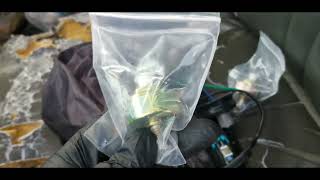
🎬 See how to apply the RTV silicone dam to prevent corrosion.Replacement Cost
The cost to replace knock sensors can vary significantly based on whether you do the work yourself or hire a professional. The main cost driver is the labor, not the parts.
| Item | Estimated Cost |
|---|---|
| New Aftermarket Sensors (Pair) | $70 - $170 |
| New Aftermarket Harness | $20 - $40 |
| Intake Manifold Gasket Set | $40 - $80 |
| DIY Total Parts Cost | $130 - $290 |
| Estimated Shop Labor | $350 - $700 |
| Estimated Professional Replacement (Parts & Labor) | $480 - $990+ |
Frequently Asked Questions (FAQ)
Why must I replace the wiring harness with the sensors?
The wiring harness sits in the same harsh environment as the sensors and is prone to the same corrosion and heat damage. The plastic connectors become brittle and the terminals corrode, leading to a poor connection. A faulty harness can cause the same error codes as a bad sensor, so replacing it is cheap insurance against having to tear the engine down again.
Can I reuse my old intake manifold gaskets?
No. Intake manifold gaskets are a one-time-use part. They crush and seal when the manifold is torqued down. Reusing them will almost certainly lead to vacuum leaks, poor engine performance, and new trouble codes.
What are the torque specs for the knock sensors?
Proper torque is critical for knock sensors to function correctly. They are designed to detect specific vibration frequencies. Over or under-tightening them can lead to false signals or no signal at all, causing the error code to return. The correct torque specification for the knock sensors on these GM V8 engines is 15 ft-lbs.
What are the common trouble codes for bad knock sensors?
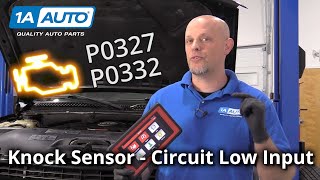
The most common Diagnostic Trouble Codes (DTCs) for knock sensor issues on the 2001-2006 Express are P0327 (Knock Sensor 1 Circuit Low Input) and P0332 (Knock Sensor 2 Circuit Low Input). These codes often appear together when water intrusion has damaged both sensors or the harness.
🎬 Learn more about diagnosing P0327 and P0332 low input codes.Helpful Videos

Technical Specifications
OEM Part Numbers: 12623730 12570125 10456603
Location: Under intake manifold in engine valley. Quantity Required: 2. Torque Spec: 15 ft-lbs.
We Have This Part in Stock


The information in this article is provided for general reference and educational purposes only. Vehicle specifications, procedures, and part compatibility can vary by production date, trim level, and region. Always consult your vehicle's factory service manual and verify part numbers before purchasing or performing repairs. Safety-critical components such as airbags, seat belts, and braking systems should be installed by a qualified professional.
- Chevrolet Express 2500: