

Ignition Coil Guide for the 2001-2006 Chevrolet Malibu
Everything a Malibu owner needs to know before replacing a failing ignition coil or coil assembly.
- Identify your engine (2.2L I4 or V6) before buying, as the ignition coil designs are completely different.
- A flashing check engine light means stop driving immediately to prevent expensive catalytic converter damage.
- Always replace spark plugs at the same time as the ignition coils to prevent premature failure of the new parts.
- Check for oil leaks from the valve cover gasket, a common cause of coil failure, and repair if necessary.
Understanding Your Malibu's Ignition System: Two Different Designs

Before buying a new ignition coil for your 2001-2006 Malibu, you need to know which engine you have. The ignition system is different depending on the model year and engine.
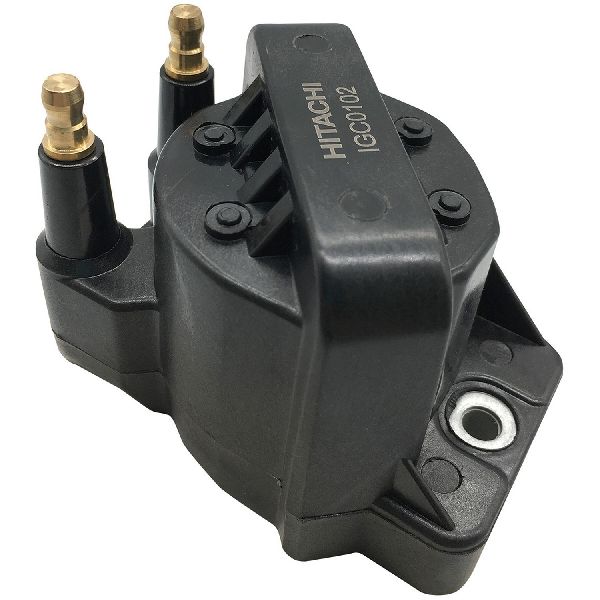
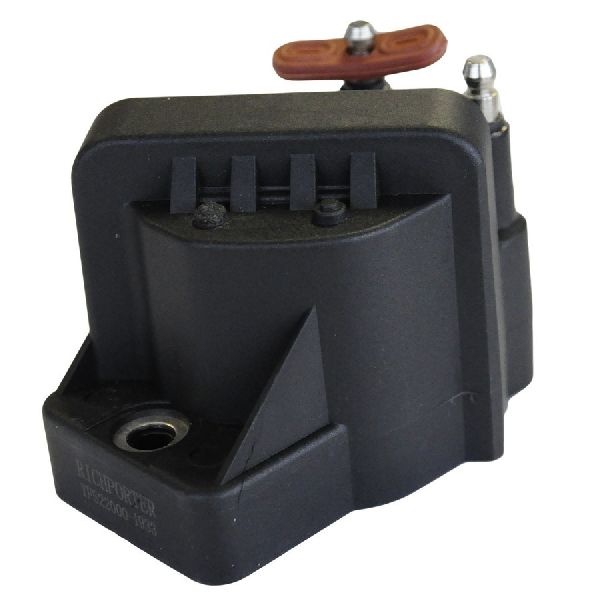
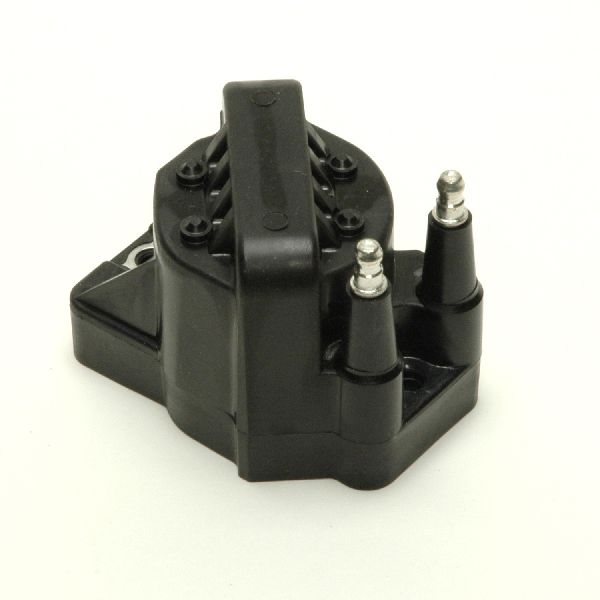
- 2001-2003 Malibu (3.1L V6): These models use a waste-spark ignition system. It has three individual ignition coils mounted together on an ignition control module. Each coil fires the spark plugs for two cylinders at the same time.
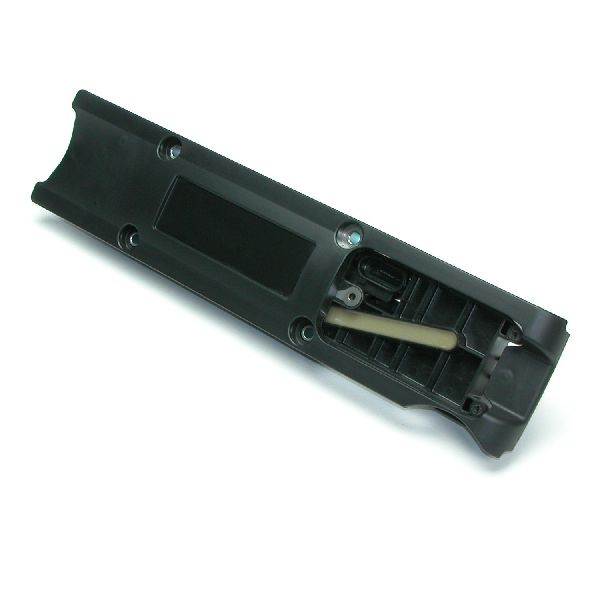
- 2004-2006 Malibu (2.2L I4 Ecotec): This engine uses a single part called an ignition coil cassette. This cassette contains all four coils and the ignition control module in one assembly that sits directly on top of the engine's valve cover. 🎬 See how to replace the ignition cassette on 2.2L engines.
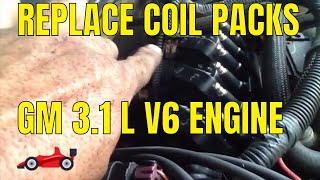
- 2004-2006 Malibu (3.5L V6): Similar to the older 3.1L V6, this engine uses an ignition coil pack that holds three coils on a single module. 🎬 Learn how to remove the coil pack on 3.5L models.
Is It a Bad Ignition Coil? Common Symptoms

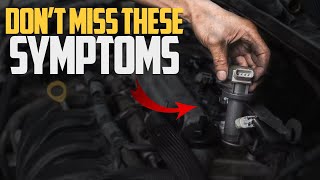
When an ignition coil starts to fail, it can't create a strong enough spark. This leads to an engine misfire. You will likely notice one or more of these signs:
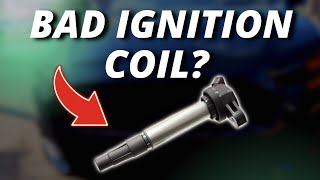
🎬 Watch a detailed breakdown of bad ignition coil symptoms.- Rough Idle: Your engine shakes or vibrates when the car is stopped.
- Engine Misfires: You feel a jerking, sputtering, or hesitation while driving, especially when you accelerate.
- Check Engine Light: A failing coil will almost always turn on the check engine light. Common codes are P0300 (random misfire) or P0301-P0306 (for a specific cylinder).
- Flashing Check Engine Light: If the light is blinking, it means a severe misfire is happening. Unburned fuel is getting into the exhaust, which can quickly damage your expensive catalytic converter. Stop driving as soon as it is safe to do so.
- Reduced Power and Gas Mileage: Your car will feel sluggish, and you'll find yourself filling the gas tank more often.
- Trouble Starting: The engine may crank for longer than usual before it starts, or it might not start at all.
Ignition Recall vs. Ignition Coil
Many 1997-2005 Malibus were part of a major GM recall for a faulty ignition switch—the part where you put your key. This is a completely separate part from the ignition coil. The switch problem could cause the engine to shut off while driving. A bad ignition coil causes misfires and poor running, but does not typically shut the whole engine off. No recalls were issued for the ignition coils themselves.
Choosing the Right Aftermarket Ignition Coil


Since many original GM coils are discontinued, a quality aftermarket part is your most common option. Aftermarket brands can be grouped into tiers based on quality and reputation among mechanics and vehicle owners.
| Brand Tier | Brands | Honest Assessment |
|---|---|---|
| Premium Aftermarket (OEM-Equivalent) | Delphi, NGK, Hitachi, Standard Ignition (SMP) | These brands are often original equipment suppliers to car manufacturers. They offer excellent quality, fit, and durability, often matching or exceeding the original part. Delphi and NGK are highly recommended in forums for their reliability. |
| Quality Aftermarket (Daily Driver) | Beck Arnley, Spectra, Walker Products, Hella | These are solid, reliable brands that offer a good balance of price and quality. They are a dependable choice for most daily driving needs and are a significant step up from economy parts. |
| Economy Aftermarket | DriveWire, Global Parts, True Tech, Prenco | These are the most budget-friendly options. While they can get your car running, their long-term reliability can be a hit-or-miss. They may be a temporary solution, but for long-term peace of mind, choosing a mid-grade or premium brand is often worth the extra cost. |
Pro Tip: Check for Oil Leaks
A very common cause of ignition coil failure, especially on the 2.2L Ecotec engine, is a leaking valve cover gasket. Oil seeps into the spark plug wells and soaks the coil boots, causing them to swell and fail. When you replace your ignition coil or cassette, check for oil in the spark plug tubes. If you see any, you must replace the valve cover gasket to protect your new part.
Frequently Asked Questions (FAQ)
Should I replace all the coils at once?
For the 2.2L Ecotec engine, you have to replace the entire ignition cassette as one unit. For the V6 engines, the coils are individual. When one fails, the others are often near the end of their life too because they have all been exposed to the same heat and wear. It is highly recommended to replace all three coils at the same time to prevent future failures.
Do I need to replace my spark plugs with the ignition coils?
Yes, it is strongly recommended. Worn-out spark plugs have a wider gap, which forces the ignition coil to work harder to create a spark. This extra strain can cause a new ignition coil to fail prematurely. Replacing the spark plugs at the same time is a cheap and easy way to protect your investment.
How can I test my Malibu's ignition coil?
If you have a misfire code for a specific cylinder (e.g., P0302 for cylinder 2), you can swap that ignition coil with a coil from a different cylinder. Clear the codes and drive the car. If the misfire code now appears on the cylinder you moved the coil to, you have confirmed the coil is bad. For the 2.2L Ecotec, this method doesn't work since it's a single cassette. Diagnosis usually involves checking for spark at each plug.
Can I drive with a bad ignition coil?
You can, but it's not recommended. Driving with a misfire reduces power, hurts fuel economy, and can be unsafe in traffic. If your check engine light is flashing, you should pull over and stop driving immediately to avoid destroying your catalytic converter, which is a very expensive repair.
Helpful Videos
Technical Specifications
OEM Part Numbers: 12587426 19432144 12568185 12590990 12629646
For 2001-2003 models with the 3.1L V6, the system uses three individual coils on a single ignition control module. For 2004-2006 models, the 2.2L Ecotec engine uses a one-piece ignition coil cassette assembly, while the 3.5L V6 uses a coil pack with three individual coils.
We Have This Part in Stock


The information in this article is provided for general reference and educational purposes only. Vehicle specifications, procedures, and part compatibility can vary by production date, trim level, and region. Always consult your vehicle's factory service manual and verify part numbers before purchasing or performing repairs. Safety-critical components such as airbags, seat belts, and braking systems should be installed by a qualified professional.
- Chevrolet Malibu: