

GMC Sierra 3500 2001-2006 Oxygen Sensor Replacement Guide
Keep your Sierra's V8 running strong by understanding and replacing its oxygen sensors.
- Your Sierra 3500 has four O2 sensors; confirm the exact location (Bank/Position) before buying.
- Symptoms include a check engine light, poor gas mileage, and rough idling.
- Ignoring a bad sensor can damage your expensive catalytic converters.
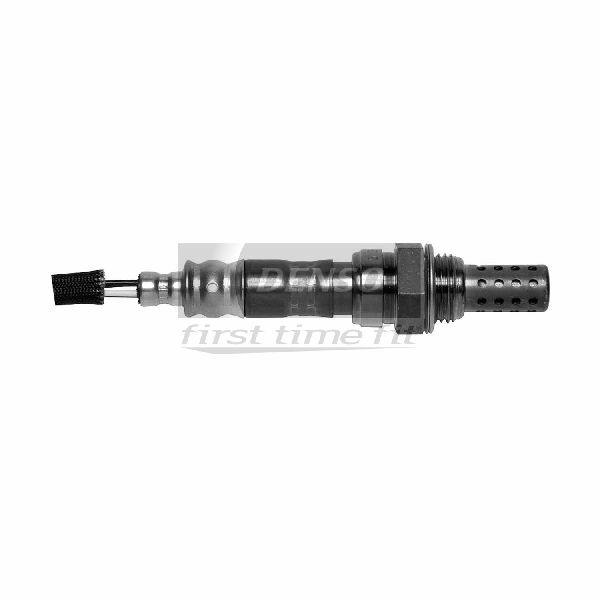
- For best results, use OEM-equivalent brands like ACDelco, Denso, or NGK/NTK as they are often the original factory parts.
Signs of a Failing Oxygen Sensor
When an oxygen sensor in your Sierra 3500 starts to fail, your truck will usually let you know. The most obvious sign is the Check Engine Light on your dashboard. Other common symptoms include a noticeable drop in gas mileage, a rough idle, and poor engine performance or misfires. In some cases, you might smell a 'rotten egg' odor from the exhaust or see black smoke, which indicates the engine is running too rich and wasting fuel. Ignoring these signs can lead to more severe and expensive damage, including failure of the catalytic converter.
Don't Ignore a Failing Sensor
Continuing to drive with a bad oxygen sensor can cause significant damage to your catalytic converters. Replacing O2 sensors is far cheaper than replacing a catalytic converter, so it's best to address the issue promptly.
Choosing the Right Aftermarket Oxygen Sensor
For your 2001-2006 Sierra 3500, you have several quality aftermarket options. Your truck has four oxygen sensors: two upstream (before the catalytic converter) and two downstream (after the catalytic converter). It's crucial to identify the correct sensor location (e.g., Bank 1 Sensor 1, Bank 2 Sensor 2) before purchasing.
Brand Tiers for Your Sierra
When it comes to GM trucks of this era, sticking with brands known for OE-level quality is your best bet. The truck's computer is calibrated for specific sensor readings, and cheaper, off-brand sensors can sometimes cause persistent issues.
- Top Tier (OEM & OEM-Equivalent): ACDelco is the original GM parts brand. However, many ACDelco sensors are manufactured by Denso. For this reason, Denso is an excellent choice and often identical to the OEM part, sometimes at a lower cost. NGK/NTK is another highly respected OEM supplier for many manufacturers and a reliable choice for your Sierra.
- Mid-Tier (Trusted Aftermarket): Brands like Bosch and Delphi are major parts manufacturers with a long history. While they are generally reliable, some GM owners in forums report occasional compatibility issues, though many use them without problems. Walker Products is also a known aftermarket brand.
- Budget Tier: Brands like DriveWire and other lower-cost options are available. While tempting, they can be a gamble. They may not last as long or provide the precise readings your truck's computer needs, potentially leading to continued performance issues or fault codes.
Pro Tip: Replace in Sets?
Oxygen sensors age and degrade over time. If one sensor fails due to high mileage (over 60,000-100,000 miles), the others are likely not far behind. To ensure balanced engine performance, it's often a good idea to replace them in pairs (both upstream or both downstream) or all four at once if they are original to the truck.
Cost of Oxygen Sensors for 2001-2006 GMC Sierra 3500
| Part Type | Typical Price Range |
|---|---|
| New Aftermarket Oxygen Sensor | $33.66 - $138.93 |
| New OEM (ACDelco/GM Genuine) | $60 - $160+ per sensor |
| Shop Labor for Replacement | $80 - $200 per hour |
Prices are estimates and can vary based on brand, location, and specific sensor position.
Frequently Asked Questions
How many oxygen sensors does my 2001-2006 Sierra 3500 have?
Your truck is equipped with four oxygen sensors. There is one upstream (before the catalytic converter) and one downstream (after the catalytic converter) sensor on each side of the exhaust. The driver's side is Bank 1, and the passenger's side is Bank 2.
What's the difference between upstream and downstream sensors?
Upstream sensors (Sensor 1) are located before the catalytic converter and are the primary sensors used to control the air-fuel mixture. Downstream sensors (Sensor 2) are located after the converter and monitor its efficiency. The parts are often physically different and have different part numbers, so be sure to order the correct one.
Can I replace an oxygen sensor myself?
Yes, this is a DIY-friendly job for many home mechanics. The main challenge is often accessing the sensor and removing it if it's rusted into the exhaust pipe. You will need a special oxygen sensor socket that allows the wire to pass through. Applying penetrating oil beforehand can help loosen a stubborn sensor.
Do I need to use anti-seize on the new sensor?
Most new, high-quality oxygen sensors come with anti-seize compound already applied to the threads. If yours does not, apply a small amount of high-temperature, sensor-safe anti-seize to the threads only, being careful not to get any on the sensor tip itself.
Are there any recalls or TSBs for this issue?
Searches for the 2001-2006 GMC Sierra 3500 did not find any specific recalls for oxygen sensors from the NHTSA. Always check for vehicle-specific TSBs (Technical Service Bulletins), as manufacturers sometimes issue guidance for common problems. A TSB for later models noted that misrouted wiring could cause contact with the exhaust, leading to sensor failure, which is a good general inspection point.
Technical Specifications
OEM Part Numbers: 25333817 12637679 250-24488
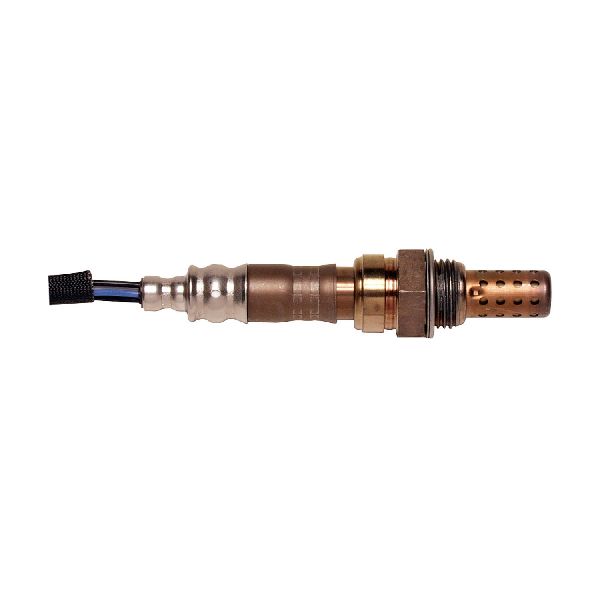
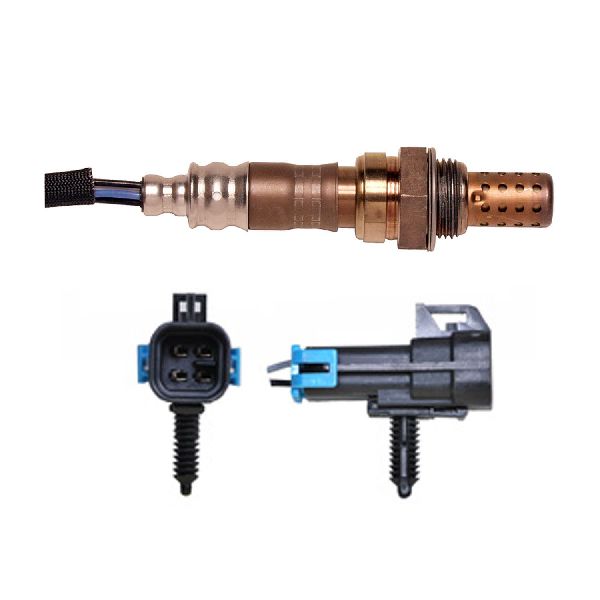
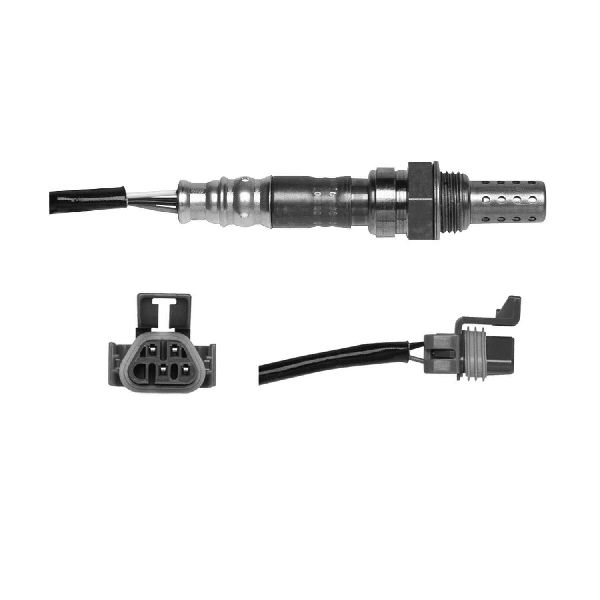
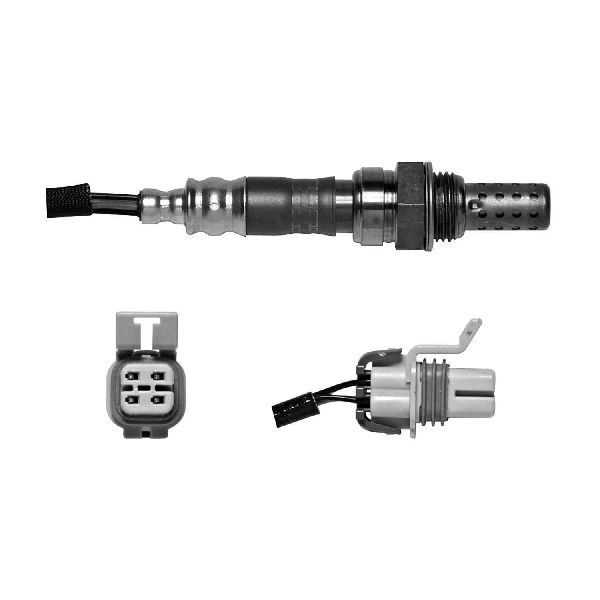
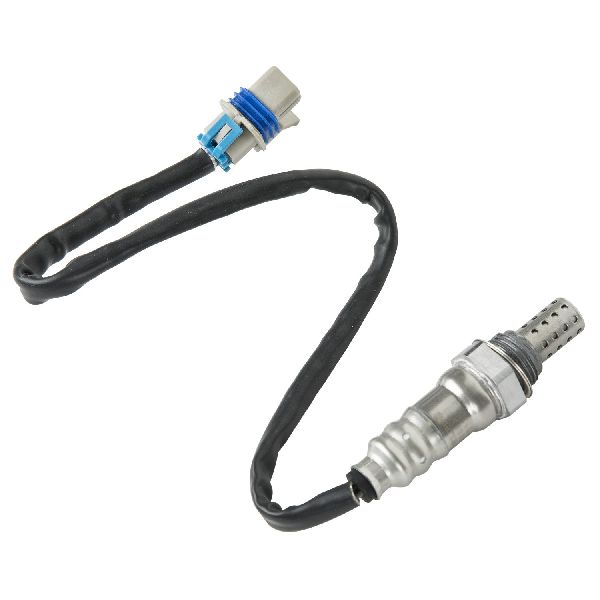
Your truck uses four-wire heated oxygen sensors. The upstream (pre-cat) and downstream (post-cat) sensors are different parts. Ensure you purchase the correct direct-fit sensor with the proper connector to avoid cutting and splicing wires.
We Have This Part in Stock

The information in this article is provided for general reference and educational purposes only. Vehicle specifications, procedures, and part compatibility can vary by production date, trim level, and region. Always consult your vehicle's factory service manual and verify part numbers before purchasing or performing repairs. Safety-critical components such as airbags, seat belts, and braking systems should be installed by a qualified professional.
- GMC Sierra 3500: