

Spark Plug Replacement Guide for the 2001-2006 Hyundai Santa Fe
Everything you need to know before changing the spark plugs on your first-generation Santa Fe.
- For V6 engines, the job is complex and requires removing the intake manifold; use long-life Iridium plugs to avoid repeat labor.
- NGK and Denso are the most recommended aftermarket brands for OEM-grade performance and reliability.
- Always replace spark plugs as a full set to ensure balanced engine performance.
- Symptoms like a rough idle, poor MPG, and slow acceleration are strong indicators that your spark plugs need inspection.
Understanding Spark Plugs in Your Santa Fe


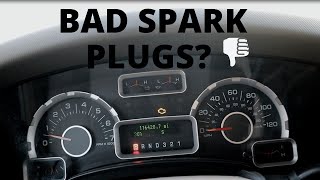
Worn-out spark plugs are a common cause of engine problems like rough idling, poor gas mileage, and slow acceleration. 🎬 Watch: Common symptoms of bad spark plugs explained. For the 2001-2006 Hyundai Santa Fe, which came with a 2.4L 4-cylinder, 2.7L V6, or 3.5L V6 engine, the type of spark plug and the difficulty of replacing it can vary significantly. Choosing the right aftermarket plug can restore performance and prevent future headaches.
A Note for V6 Owners: This Job Isn't Simple
If you have a Santa Fe with the 2.7L or 3.5L V6 engine, be aware that replacing the spark plugs is a complex job. The three spark plugs at the rear of the engine are located underneath the upper intake manifold (also called the plenum). This manifold must be removed to access them. This makes the job significantly more difficult and time-consuming than for the 4-cylinder engine and is why repair shops charge several hundred dollars in labor. If you plan to do this yourself, be prepared for a multi-hour project and make sure to replace the intake manifold gaskets at the same time.
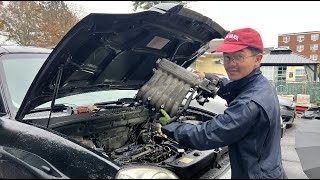
🎬 See this walkthrough for removing the V6 intake manifold.Choosing the Right Aftermarket Spark Plugs

When shopping for aftermarket spark plugs, you'll see different materials and brands. For the Santa Fe, sticking with brands known for their quality in Asian vehicles is a smart move.
Brand Recommendations
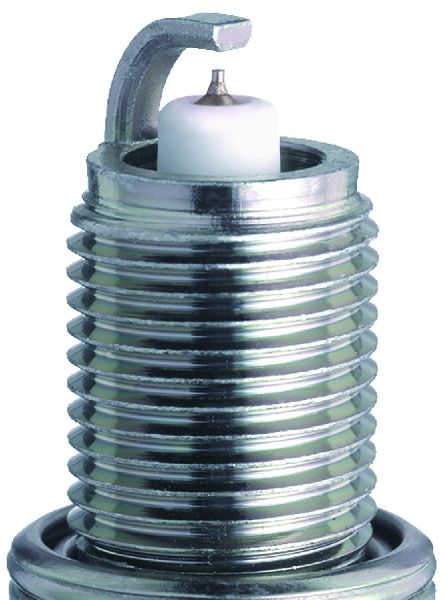
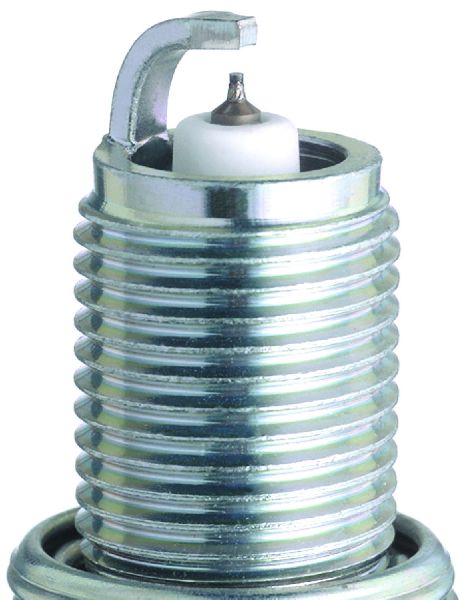
- Top Tier (OEM Quality): NGK and Denso are highly recommended and are often the original equipment manufacturer for Hyundai. You can't go wrong choosing these brands; they are known for quality control and providing performance equivalent to the factory plugs.
- Reliable Aftermarket: Bosch and Autolite are also strong choices with a good reputation. Bosch, in particular, has a long history of making quality ignition components.
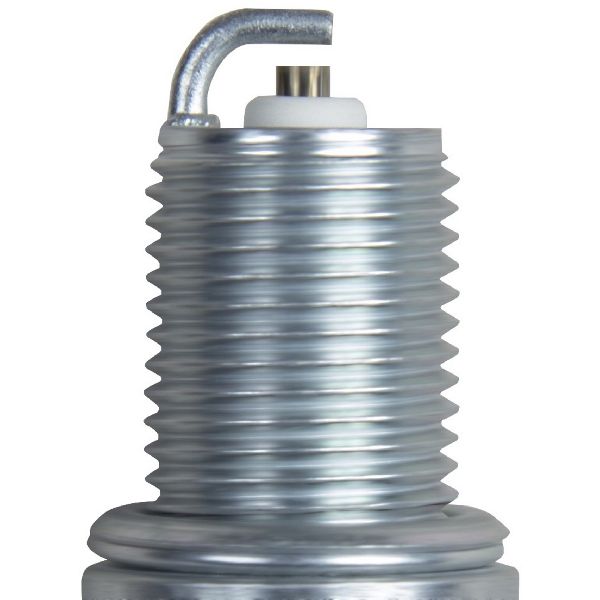
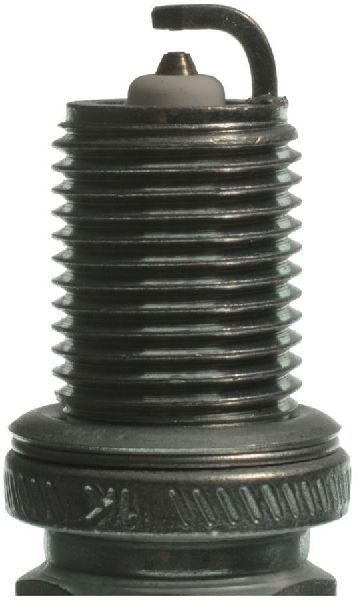
- Value Option: Champion is listed as an OEM-equivalent plug for some models and can be a reliable, budget-friendly choice.
Material Types: Iridium, Platinum, or Copper/Nickel?
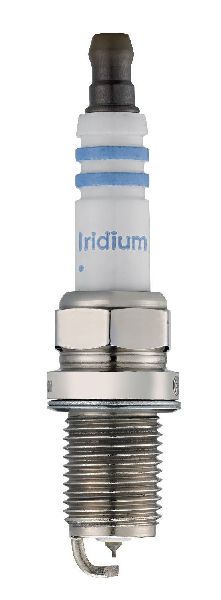
- Iridium: These are the best plugs you can buy. They have the longest lifespan (often up to 100,000 miles) and provide the most consistent spark, which helps with fuel efficiency and smooth acceleration. They are an excellent upgrade, especially for the V6 engines where the difficult replacement job makes a long-lasting plug very desirable.
- Platinum: A great middle-ground option, platinum plugs last much longer than standard copper plugs and provide excellent performance. Double platinum plugs are a good choice for the Santa Fe's ignition system.
- Copper/Nickel: These are the most basic and least expensive plugs. While they work fine, they have the shortest service life and will need to be changed more frequently, typically every 30,000 miles. Given the labor involved in the V6 models, using copper plugs is not recommended.
Pro Tip: Check the Gap
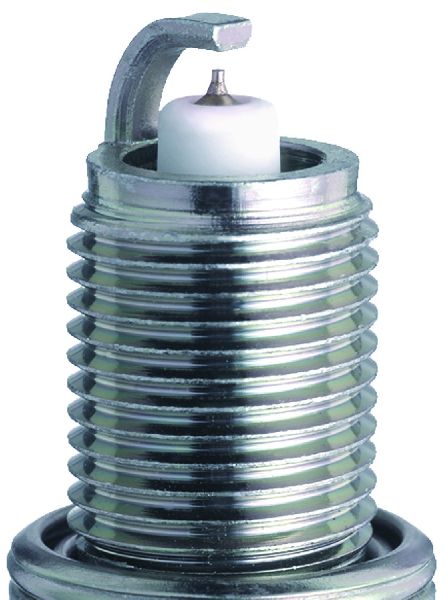
While many modern spark plugs come pre-gapped, it's always a good idea to check the gap with a feeler gauge before installation. The correct gap ensures the spark is the right size for efficient combustion. The specified gap for most Santa Fe models is around 0.044 inches (1.1mm), but always verify with the plug manufacturer's specifications.
Known Issues, Recalls, and TSBs
There are no widespread, documented recalls or Technical Service Bulletins (TSBs) from Hyundai specifically for spark plug failures on the 2001-2006 Santa Fe. However, two unrelated recalls are worth noting for this vehicle generation:
- Front Coil Spring Corrosion: A recall was issued for vehicles in 'salt belt' states due to front coil springs corroding and potentially fracturing.
- Crankshaft Position Sensor (CPS): Some 2.7L V6 models were recalled for a faulty CPS that could cause engine stalling.
Frequently Asked Questions

How often should I replace the spark plugs on my Santa Fe?
It depends on the type of plug. Standard copper plugs should be changed every 30,000 miles. Platinum or Iridium plugs can last much longer, from 60,000 to over 100,000 miles. Given the difficult labor on V6 models, using long-life Iridium plugs is the most cost-effective strategy.
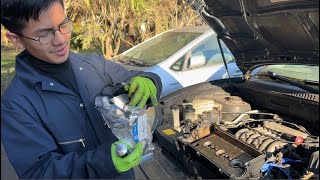
🎬 Watch: Step-by-step spark plug replacement on a 2.7L V6.Why is the quote from my mechanic so high to change the plugs on my V6?
The high cost is due to labor. To access the three rear spark plugs on the 2.7L and 3.5L V6 engines, a mechanic must remove the entire upper intake manifold. This process can take several hours and requires replacing the intake gaskets as well.
Can I replace just the one bad spark plug?
It is strongly recommended to replace all spark plugs at the same time. This ensures even performance across all cylinders and saves you from having to do the job again when the next old plug fails.
What are the OEM spark plugs for my Santa Fe?
The original equipment (OEM) plugs were typically made by NGK or Champion. Choosing an NGK or Denso plug of the correct type (Platinum or Iridium) is a safe bet for OEM-level quality and fitment.
Helpful Videos
Technical Specifications
OEM Part Numbers: 27410-23700 27410-37100 18814-11051
The 2001-2006 Santa Fe has three engine options: a 2.4L 4-cylinder, a 2.7L V6, and a 3.5L V6. The 4-cylinder engine is a straightforward replacement. Both V6 engines require the removal of the upper intake manifold to access the rear three spark plugs. Recommended spark plug gap is typically 0.044 inches (1.1mm). OEM plugs are often NGK or Champion.
We Have This Part in Stock

The information in this article is provided for general reference and educational purposes only. Vehicle specifications, procedures, and part compatibility can vary by production date, trim level, and region. Always consult your vehicle's factory service manual and verify part numbers before purchasing or performing repairs. Safety-critical components such as airbags, seat belts, and braking systems should be installed by a qualified professional.
- Hyundai Santa Fe:
- 🎬 Helpful Videos
- 🛍️ Shop This Part
- Understanding Spark Plugs in Your Santa Fe
- A Note for V6 Owners: This Job Isn't Simple
- Choosing the Right Aftermarket Spark Plugs
- Brand Recommendations
- Material Types: Iridium, Platinum, or Copper/Nickel?
- Pro Tip: Check the Gap
- Known Issues, Recalls, and TSBs
- Frequently Asked Questions
- 🎟️ Get 5% Off