

Guide to the 2001-2006 Kia Optima Throttle Position Sensor
Solve hesitation, poor acceleration, and stalling by choosing the right new aftermarket TPS for your Optima.
- A failing TPS on a 2001-2006 Optima commonly causes hesitation, poor acceleration, and erratic shifting.
- Replacement is a simple, low-cost DIY job that most owners can complete in under 30 minutes with basic tools.
- There are no recalls for this part; failure is due to normal wear.
- Choosing a quality aftermarket brand like Delphi or Standard Ignition offers a reliable repair without the cost of an OEM part.
Is Your Optima Hesitating or Stalling? It Could Be the TPS.
If you own a 2001-2006 Kia Optima, you might experience issues like poor acceleration, rough idling, or even stalling. These are classic signs of a failing Throttle Position Sensor (TPS). This sensor is a known wear item, and its failure is fairly common as these vehicles age. Because it's so important for engine management and transmission control, a bad TPS can cause a variety of noticeable problems, often triggering the Check Engine Light.
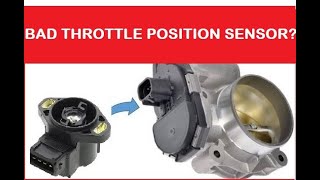
🎬 Watch: A breakdown of the 6 most common TPS symptoms.Common Symptoms of a Failing TPS in a 2001-2006 Optima:
- Hesitation or Stumbling: The engine may lag or stumble when you press the gas pedal.
- Poor Acceleration: The car feels sluggish and lacks power.
- Rough or Unstable Idle: The engine RPMs may fluctuate or be erratic when stopped.
- Difficulty Shifting: The automatic transmission may shift harshly, late, or unpredictably.
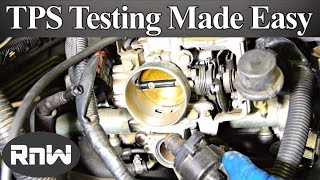
- Check Engine Light: The computer will store trouble codes related to the TPS, such as P0121, P0122, or P0123. 🎬 See how to test your sensor with or without a diagram.
Choosing the Right Aftermarket Throttle Position Sensor
For the 2001-2006 Optima, the TPS is a standalone sensor that can be replaced without changing the entire throttle body. This makes it an affordable and straightforward repair. While a genuine Kia part is an option, the aftermarket offers a wide range of choices that provide excellent value. Here’s how to understand your options:
Brand Quality Tiers
- Tier 1: Established OE-Quality Brands (e.g., Delphi, Beck Arnley, Standard Ignition): These brands are often trusted suppliers to vehicle manufacturers and are known for their quality and reliability. Choosing a part from one of these manufacturers is a safe bet for a long-lasting repair that will perform like the original. They are an excellent balance of price and quality.
- Tier 2: Reputable Aftermarket Brands (e.g., Walker Products, Motorad, True Tech): These companies specialize in aftermarket parts and offer a solid combination of performance and value. They are a good choice for a reliable repair without the premium price of a top-tier brand.
- Tier 3: Budget-Friendly Options (e.g., Replacement, Global Parts): These brands focus on providing the most affordable solution. While they meet the basic requirements to get your car running properly, they may not have the same long-term durability or precise calibration as higher-tier brands. They can be a good choice for a budget-conscious repair.
Pro Tip: Since the labor to replace this sensor is minimal, it's often worth spending a few extra dollars on a higher-quality brand like Delphi or Standard Ignition to ensure reliability and avoid replacing it again in the near future.
Cost to Replace a 2001-2006 Kia Optima TPS
Replacing the TPS on this generation of Optima is one of the more affordable repairs you can face. The part itself is not expensive, and the labor is minimal.
| Item | Estimated Cost |
|---|---|
| New Aftermarket Part | $19.87 - $85.91 |
| New OEM Part | $20 - $105 |
| Shop Labor | $50 - $90 |
| Total Professional Replacement | $70 - $187 |
Frequently Asked Questions (FAQ)
Can I replace the TPS myself?
Yes, this is a very DIY-friendly job for most home mechanics. The TPS is located on the side of the throttle body and is typically held on by two screws. You will need basic hand tools like a screwdriver or small socket set. The process involves disconnecting the battery, unplugging the sensor's electrical connector, removing the screws, and swapping the old sensor for the new one. Total time is usually under 30 minutes.
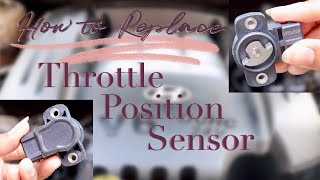
🎬 Watch this step-by-step guide to replacing the 2.4L Optima sensor.Are there any recalls for the 2001-2006 Optima TPS?
No, there are no specific recalls issued by the NHTSA for the throttle position sensor on the 2001-2006 Kia Optima. Any failure of this part is considered a result of normal wear and tear.
Do I need to reset the computer after replacing the sensor?
It is a good practice to disconnect the battery's negative terminal before starting the repair. This will reset the engine computer (ECU). After the new sensor is installed and the battery is reconnected, the computer will perform a "relearn" process as you drive, adapting to the new sensor's signals. In most cases, no special tools are needed for this.
What's the difference between a TPS and an Accelerator Pedal Position Sensor (APPS)?
The 2001-2006 Optima uses a mechanical throttle cable that connects your gas pedal to the throttle body. The TPS is on the throttle body itself. Some newer cars use a "drive-by-wire" system where there is no physical cable; instead, an Accelerator Pedal Position Sensor (APPS) at the pedal sends a signal to a motor on the throttle body. Your Optima has a TPS, not an APPS.
Helpful Videos
Technical Specifications
OEM Part Numbers: 35170-37100 35102-38610 35170-22600 35102-39000
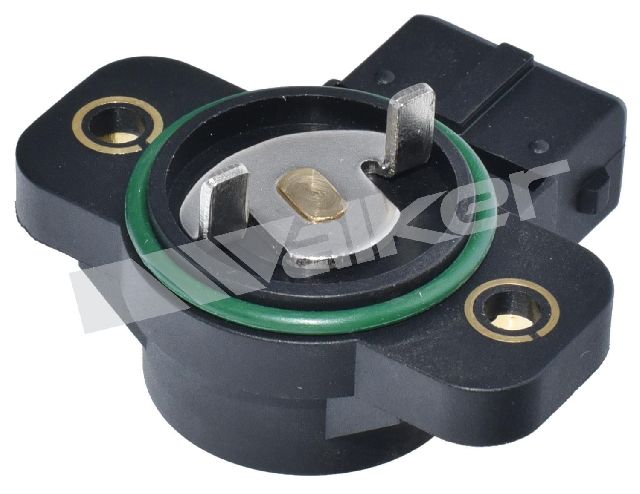
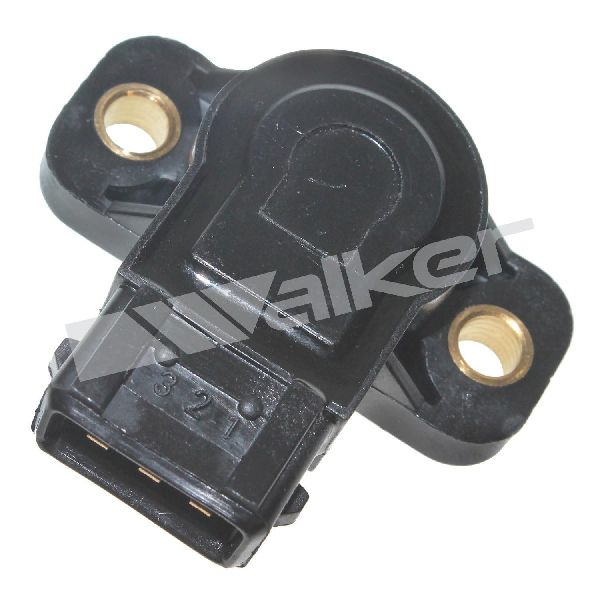
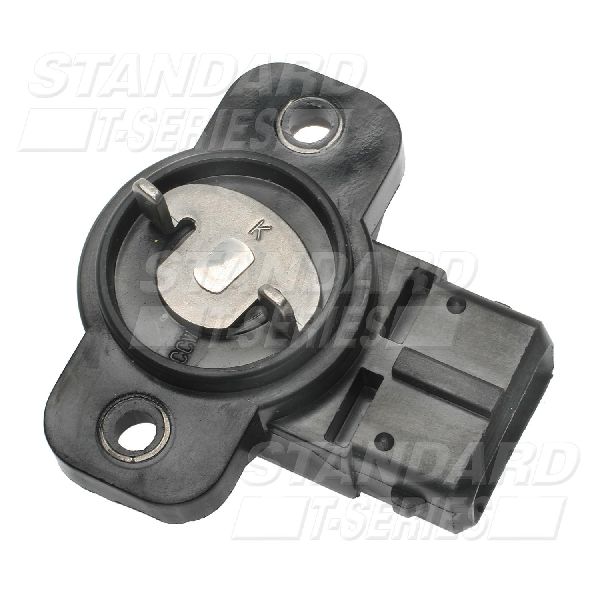
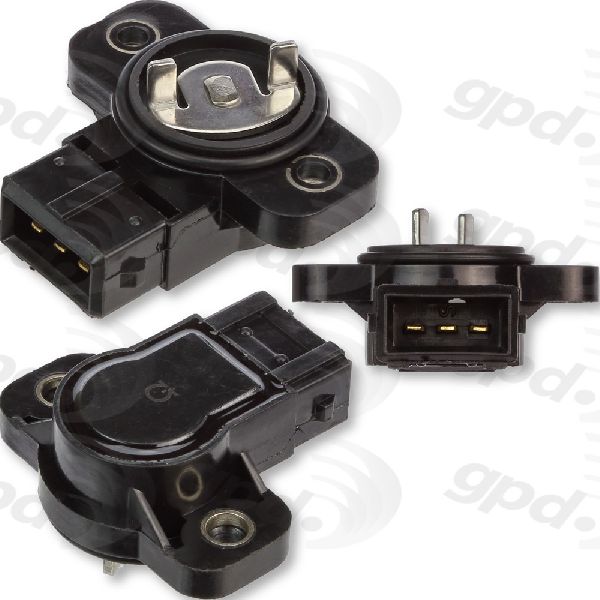
This is a 3-prong, bolt-on, standalone sensor located on the throttle body. It is a potentiometer-type sensor that changes resistance based on the throttle plate angle.
We Have This Part in Stock


The information in this article is provided for general reference and educational purposes only. Vehicle specifications, procedures, and part compatibility can vary by production date, trim level, and region. Always consult your vehicle's factory service manual and verify part numbers before purchasing or performing repairs. Safety-critical components such as airbags, seat belts, and braking systems should be installed by a qualified professional.
- Kia Optima:
- 🎬 Helpful Videos
- 🛍️ Shop This Part
- Is Your Optima Hesitating or Stalling? It Could Be the TPS.
- Common Symptoms of a Failing TPS in a 2001-2006 Optima:
- Choosing the Right Aftermarket Throttle Position Sensor
- Brand Quality Tiers
- Cost to Replace a 2001-2006 Kia Optima TPS
- Frequently Asked Questions (FAQ)
- 🎟️ Get 5% Off