

Lexus IS300 Oxygen Sensor Guide for 2001-2006 Models
Keep your 2JZ-GE engine running smoothly by understanding which oxygen sensor to buy and why.
- Denso is the Original Equipment Manufacturer (OEM) and the most recommended brand for a reliable replacement.
- Your IS300 has four distinct sensors; ensure you order the correct part for the specific location (Bank 1/2, Sensor 1/2).
- Budget sensors are a gamble and may cause persistent check engine light issues or fail quickly.
- Codes P0420 and P0430 may indicate a bad catalytic converter, not just a bad sensor.
Symptoms of a Failing Oxygen Sensor

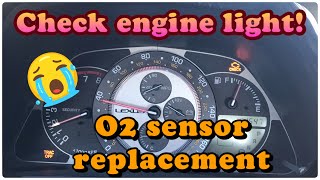
When an oxygen sensor starts to fail on your IS300, your car's computer will usually let you know by turning on the Check Engine Light. You might also notice other problems. A bad sensor can't provide the right information, leading to poor engine performance.
- Check Engine Light: The most common sign is a check engine light. Codes related to sensor heater circuits (like P0135, P0141, P0155, P0161) or catalyst efficiency (P0420, P0430) are common.
- Poor Fuel Economy: The engine may use more fuel than necessary because the air-fuel mixture is incorrect.
- Rough Idle or Misfires: An imbalanced air-fuel ratio can cause the engine to run rough, especially when idling.
- Failed Emissions Test: A bad oxygen sensor will prevent your vehicle from passing an emissions test.
Choosing the Right Aftermarket Oxygen Sensor

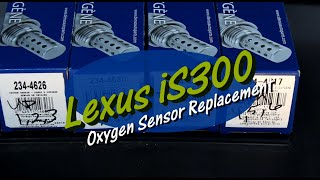
When it comes to oxygen sensors for your Lexus IS300, not all aftermarket brands are created equal. The original factory sensors are made by Denso. For the best results and fewest headaches, choosing the right brand is very important.
Pro Tip: Know Your Sensor Locations
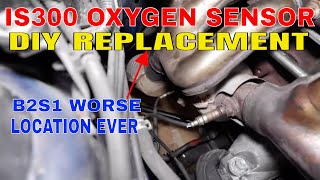
Your IS300 has four sensors in specific locations. Make sure you order the correct part for the position you are replacing.
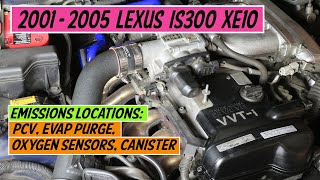
- Bank 1, Sensor 1: Upstream, on the exhaust manifold for cylinders 1-3 (front of engine).
- Bank 2, Sensor 1: Upstream, on the exhaust manifold for cylinders 4-6 (rear of engine, near firewall).
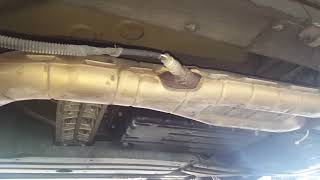
- Bank 1, Sensor 2: Downstream, after the catalytic converter, on the driver's side.
- Bank 2, Sensor 2: Downstream, after the catalytic converter, on the passenger's side. The wiring for this sensor often goes through the floor under the passenger seat.
Brand Quality Tiers
Tier 1 (OEM Equivalent): Denso
Denso is the original equipment manufacturer (OEM) for Lexus. Choosing a Denso sensor is the safest bet for a direct, trouble-free replacement. They are designed to meet the exact specifications of your IS300's engine computer. While they may cost more than other aftermarket options, they provide factory performance and reliability.
Tier 2 (Reputable Aftermarket): NGK/NTK, Bosch
NGK (and its sensor brand NTK) and Bosch are well-known brands that produce quality sensors. Many owners have used them successfully. However, some forum discussions mention that even these reputable brands can sometimes cause issues on sensitive Japanese vehicles if they are not the OEM supplier. They are a good second choice if a Denso part is not available.
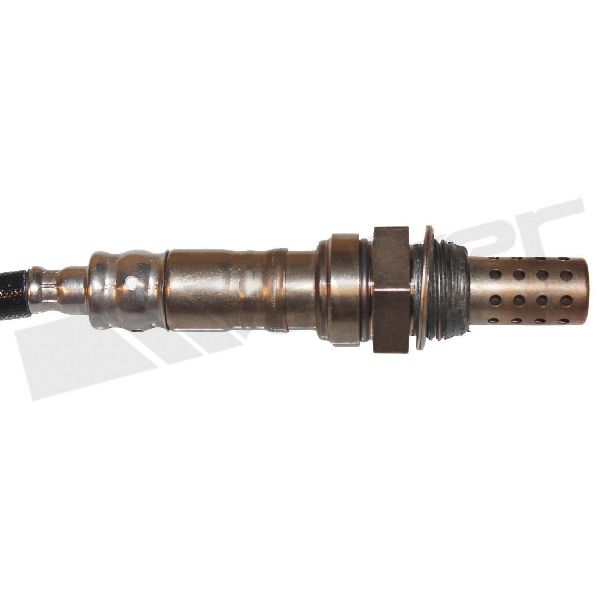
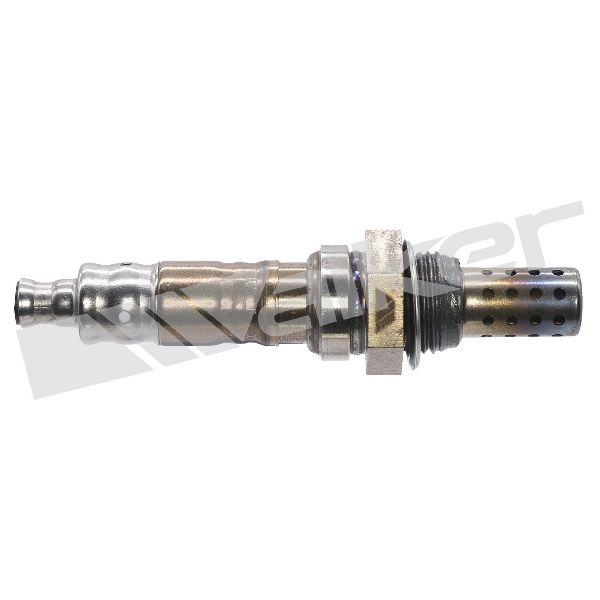
Tier 3 (Budget Brands): DriveWire, Spectra, Walker, etc.
These brands offer a much lower price point. While tempting, be cautious. Forum users and mechanics report a mixed bag of experiences, including sensors that are dead on arrival, fail prematurely, or have slightly different resistance values that can still trigger check engine lights. If you are on a very tight budget, they might get you by, but you risk having to do the job twice.
A Note on P0420 & P0430 Codes
These codes mean "Catalyst Efficiency Below Threshold." While a failing downstream oxygen sensor can cause these codes, they often indicate that your catalytic converters are wearing out. Replacing the sensor might not fix the root problem. Some owners use an O2 sensor spacer or "defouler" as a temporary fix to turn off the light, but this does not solve the underlying emissions issue and may be illegal in areas with emissions testing.
Cost Comparison
| Part Type | Price Range |
|---|---|
| New OEM (Lexus Branded) | $180 - $250+ |
| New Aftermarket (Denso/NGK) | $50 - $170 |
| New Aftermarket (Budget) | $25 - $60 |
| Shop Labor for Installation | $100 - $250 per sensor |
Frequently Asked Questions (FAQ)

How many oxygen sensors does a 2001-2006 IS300 have?
The Lexus IS300 with the 2JZ-GE engine has four oxygen sensors: two upstream (before the catalytic converters) and two downstream (after the catalytic converters).
What is the difference between an upstream and downstream sensor?
Upstream sensors are also called Air/Fuel Ratio sensors. They are more complex and measure the raw exhaust from the engine to make rapid adjustments to the fuel trim. Downstream sensors are simpler and are used to check the efficiency of the catalytic converters by comparing their reading to the upstream sensor's reading.
Why is the Denso sensor the best choice?
Denso is the company that manufactured the original sensors for your Lexus. This means their aftermarket sensors are built to the same exact standards for performance, fit, and longevity. Using the OEM brand minimizes the risk of compatibility issues that can occur with other brands.
Can I replace just one bad oxygen sensor?
Yes, you can replace only the sensor that has failed. However, oxygen sensors degrade over time. If one has failed due to age and high mileage, the others may not be far behind. For balanced performance, some mechanics recommend replacing them in pairs (e.g., both upstream sensors at the same time).
Are there any recalls for the IS300 oxygen sensor?
There are no specific recalls for the oxygen sensors on the 2001-2006 Lexus IS300 according to NHTSA records. However, Lexus did issue a Limited Service Campaign (LSC) for some other models due to a wiring harness issue, but the IS300 was not listed.
Helpful Videos
Technical Specifications
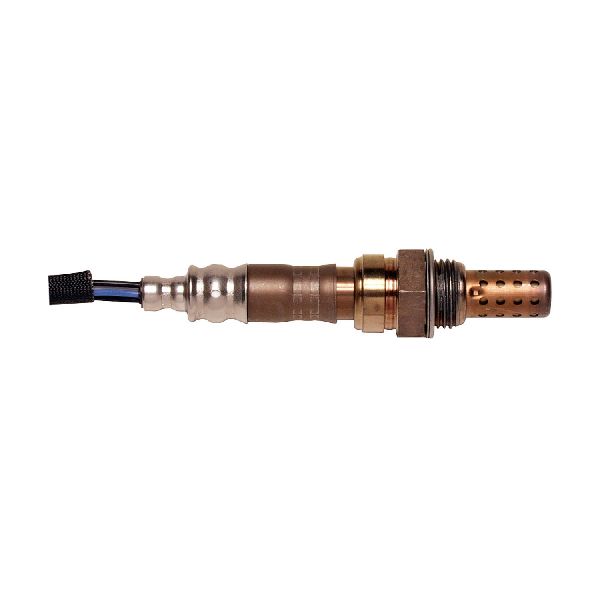
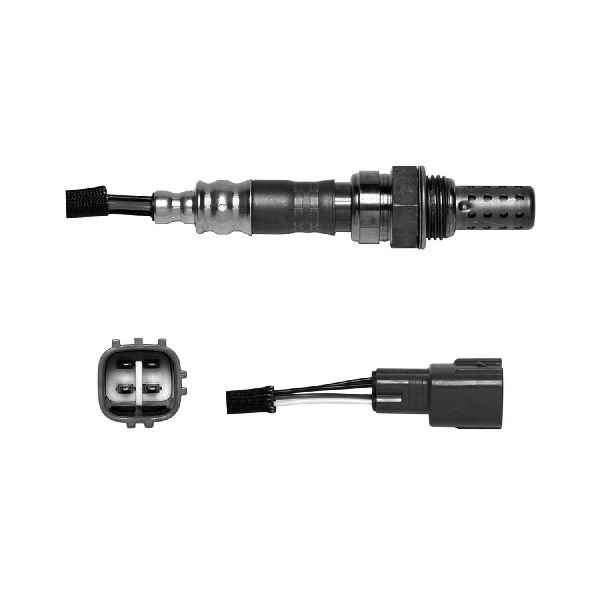
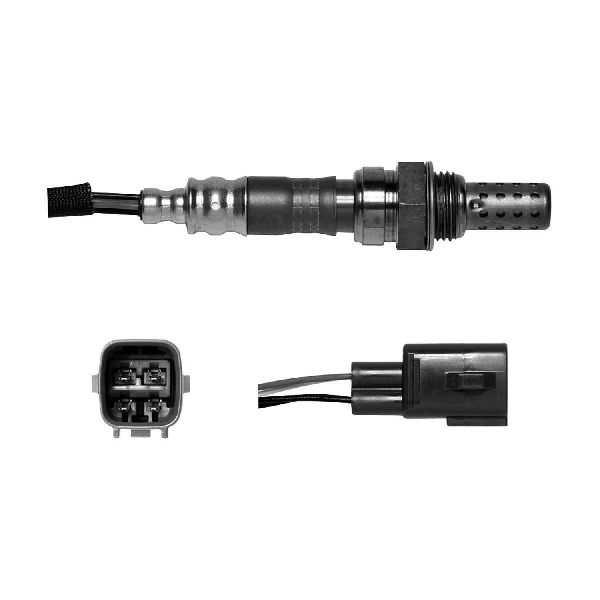
OEM Part Numbers: 89465-53120 89465-53190 89465-53140 89465-53210
The 2001-2006 Lexus IS300 uses four sensors: two upstream Air/Fuel ratio sensors and two downstream heated oxygen sensors. They connect to the exhaust manifolds and the y-pipe. A special 22mm (7/8") offset oxygen sensor socket is recommended for removal.
We Have This Part in Stock


The information in this article is provided for general reference and educational purposes only. Vehicle specifications, procedures, and part compatibility can vary by production date, trim level, and region. Always consult your vehicle's factory service manual and verify part numbers before purchasing or performing repairs. Safety-critical components such as airbags, seat belts, and braking systems should be installed by a qualified professional.
- Lexus IS300: