

Lexus IS300 Radiator Replacement Guide for 2001-2006 Models
Everything you need to know to keep your 2JZ-GE engine cool and avoid common radiator failures.
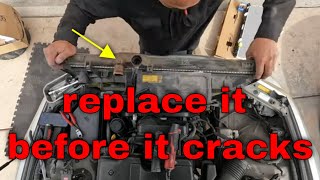
- The most common failure is the original radiator's plastic top tank cracking from age.
- You MUST order the correct radiator for your transmission type (automatic or manual).
- An OEM-style replacement from a brand like Denso is fine for stock cars; an all-aluminum radiator from Mishimoto or Koyo is a durable upgrade.
- While replacing the radiator, it is highly recommended to also replace the radiator cap and hoses.
A Common Failure Point on an Otherwise Reliable Car
The first-generation Lexus IS300 is known for its reliability, but the original radiator is a well-documented weak spot. The factory radiator, made by Denso, uses an aluminum core with plastic tanks crimped onto the ends. Over many years of heating up and cooling down, this plastic becomes brittle. Eventually, hairline cracks form, usually on the top tank near the inlet hose, causing coolant leaks. This isn't a design flaw unique to Lexus; it's a common issue for most cars from this era that use similar plastic and aluminum radiators. Ignoring the signs of a failing radiator can lead to major engine damage from overheating.
Automatic vs. Manual Transmission
This is the most critical detail when ordering. Radiators for automatic IS300s include a built-in cooler for the transmission fluid, with two extra ports at the bottom. Many aftermarket all-aluminum performance radiators are made for manual transmission cars only and do not have this feature. If you have an automatic and buy a manual-spec radiator, you MUST also install a separate, external transmission cooler.
Choosing the Right Aftermarket Radiator
When your original radiator fails, you have a few good aftermarket options. The choice depends on your budget and how you use your car.
Tier 1: OEM-Style Replacements
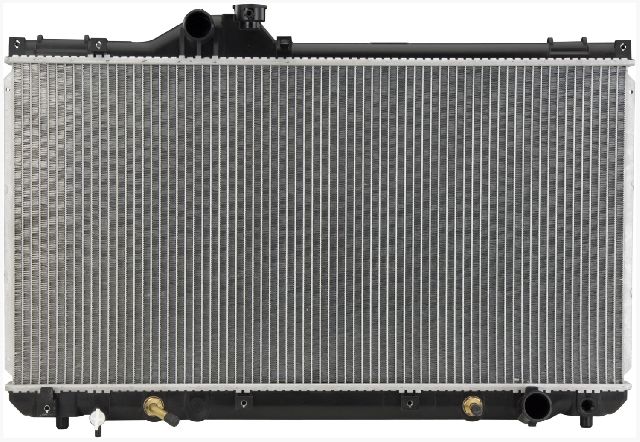
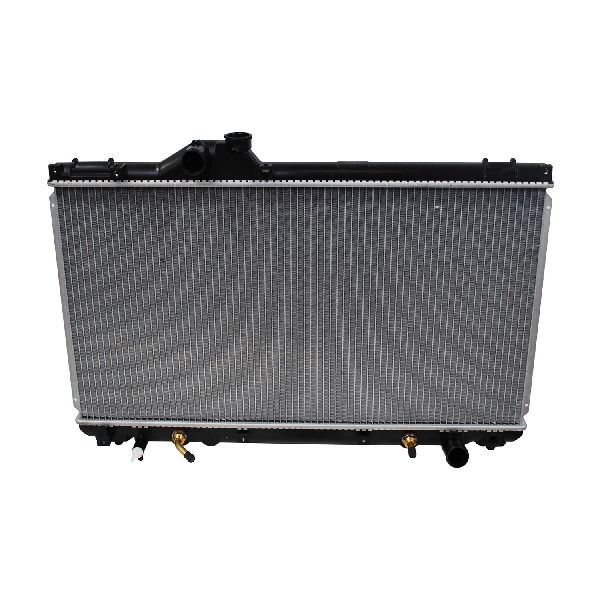
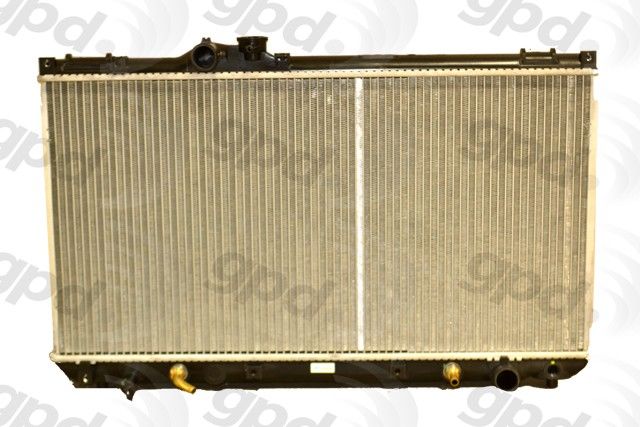
These radiators are designed to be direct, drop-in replacements that function just like the original. They typically feature an aluminum core with plastic end tanks. They are affordable and perfectly adequate for a daily driven, stock vehicle.
- Denso: As the original manufacturer, a new Denso radiator is a safe bet for a perfect fit and reliable, stock performance.
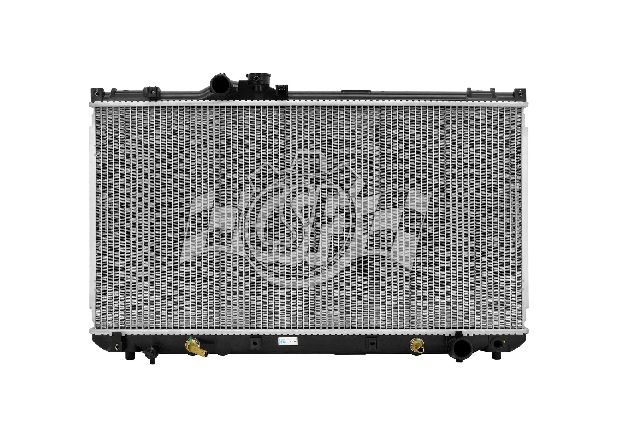
- CSF / Nissens / Spectra: These are well-regarded aftermarket brands that produce quality OEM-style replacements. They offer a good balance of quality and price.
Tier 2: Performance All-Aluminum Radiators
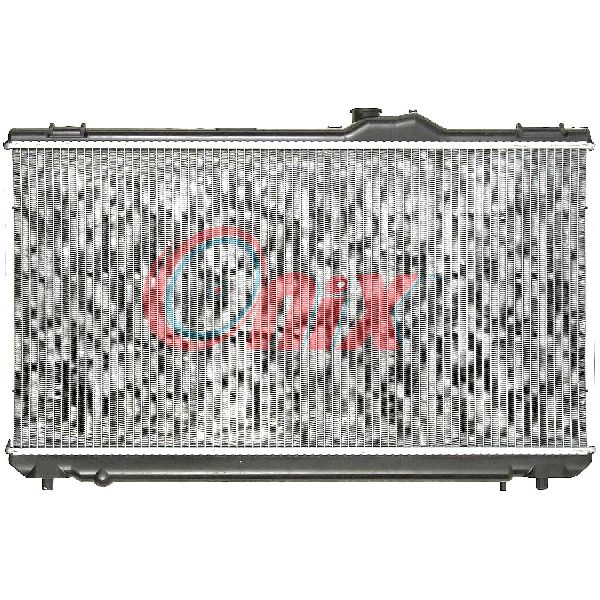
For enthusiasts, or for owners who simply want to install a more durable part, an all-aluminum radiator is a popular upgrade. These radiators eliminate the plastic end tanks, which are the primary failure point. They also tend to have a thicker core and hold more coolant, improving cooling efficiency, which is great for modified cars or hot climates.
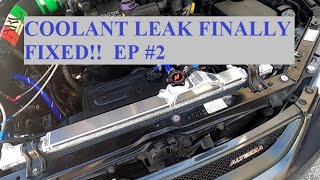
- Mishimoto: A very popular choice for IS300 owners. These are fully TIG-welded aluminum radiators that offer improved cooling. Some owners have noted minor fitment issues with the fan shroud in the past, but many report a direct, easy installation. 🎬 See a full Mishimoto performance radiator installation
- Koyorad: Often considered the top-of-the-line choice by enthusiasts. Koyo radiators are known for their exceptional quality and perfect fitment, but they are also one of the more expensive options.
Pro Tip: While you're replacing the radiator, it's a great time to also replace the radiator cap, upper and lower radiator hoses, and thermostat. These parts are inexpensive and wear out over time. A new radiator cap is especially important for maintaining proper system pressure.
| Item | Estimated Cost |
|---|---|
| New OEM-Style Aftermarket Radiator (Denso, CSF, etc.) | $120 - $200 |
| New Performance Aluminum Radiator (Mishimoto, Koyo) | $280 - $400+ |
| Shop Labor | $200 - $450 |
| Total (DIY OEM-Style) | $120 - $200 |
| Total (Shop-Installed OEM-Style) | $320 - $650 |
Frequently Asked Questions
Is a radiator replacement a good DIY job?
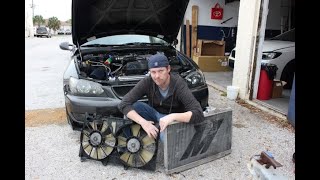
Yes, for someone with basic tools and mechanical ability, this is a very manageable job. 🎬 Watch: Complete radiator and thermostat replacement walkthrough The process involves draining the coolant, removing the fan shroud and hoses, and unbolting the radiator. It can typically be done in 2-3 hours.
What kind of coolant should I use for my IS300?
You should use a high-quality Asian vehicle coolant, specifically a phosphate-based, non-silicate formula. Toyota's Red or Pink long-life coolant is the factory recommendation. 🎬 Watch: How to perform a proper coolant flush Using the correct coolant is critical for preventing corrosion inside the engine and radiator.
My car is overheating, but I don't see a leak. Is it the radiator?
It could be. Besides the radiator, overheating can be caused by a bad thermostat, a failing water pump, or a broken radiator fan. A slow leak from a cracked radiator tank might not leave a puddle but can allow air into the system, causing a "gurgling" sound and inefficient cooling. Look for dried pink or white crusty residue around the top of the radiator, which is a sure sign of a slow leak.
Are there any recalls for the IS300 radiator?
No, there are no recalls or specific Technical Service Bulletins (TSBs) from Lexus or the NHTSA for radiator failure on the 2001-2006 IS300. This type of failure is considered normal wear and tear for a vehicle of this age.
Helpful Videos


Technical Specifications
OEM Part Numbers: 1640046610 1640046611
Core Material: Aluminum, Tank Material: Plastic (OEM-style) or Aluminum (Performance). Check for integrated transmission cooler for automatic models.
We Have This Part in Stock


The information in this article is provided for general reference and educational purposes only. Vehicle specifications, procedures, and part compatibility can vary by production date, trim level, and region. Always consult your vehicle's factory service manual and verify part numbers before purchasing or performing repairs. Safety-critical components such as airbags, seat belts, and braking systems should be installed by a qualified professional.
- Lexus IS300: