

Mitsubishi Eclipse Camshaft Position Sensor: A 2001-2006 Owner's Guide
Solving stalling, no-start, and poor performance issues in your 3rd Generation Eclipse.
- First, identify your engine. The 2.4L 4-cylinder uses a simple sensor, while the 3.0L V6 requires replacing the entire distributor.
- A Check Engine Light with code P0340 is the most common sign of a problem, often accompanied by stalling or starting issues.
- Before replacing parts, visually inspect the sensor's wiring and connector for any obvious damage, as this can also cause the error code.
- For V6 models, investing in a quality distributor assembly is crucial to avoid repeating a more complex repair job.
Is This Guide for My Eclipse?
This information applies to all 2001, 2002, 2003, 2004, 2005, and 2006 Mitsubishi Eclipse models, also known as the third-generation or 3G Eclipse. This includes the GS, RS, GT, and GTS trim levels. However, there is a major difference between the 4-cylinder and V6 engines.
4-Cylinder vs. V6: A Critical Difference
Before buying any parts, you must know which engine your Eclipse has. The replacement process and the part you need are completely different.
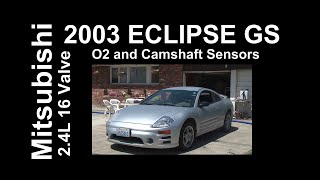
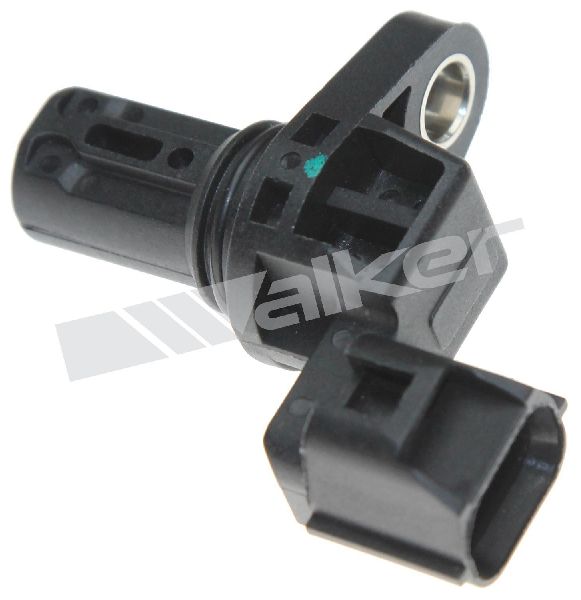
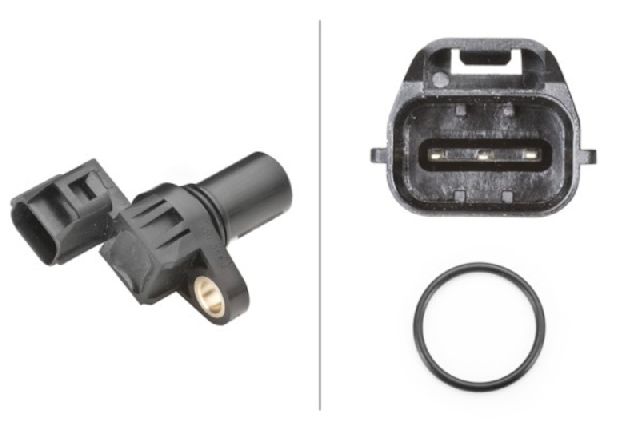
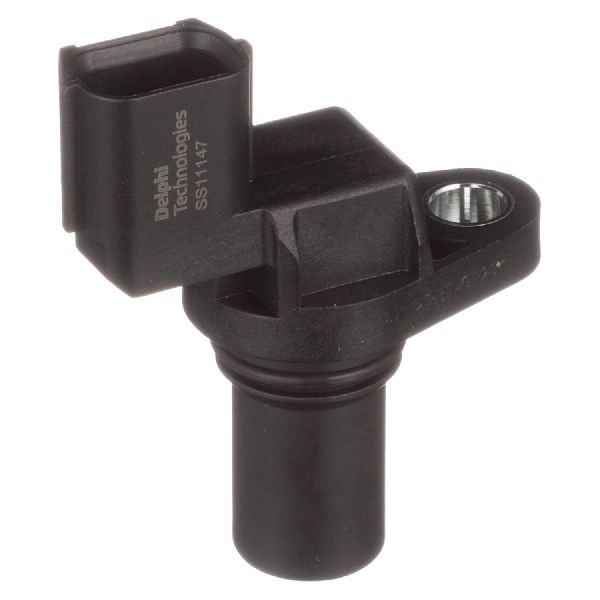
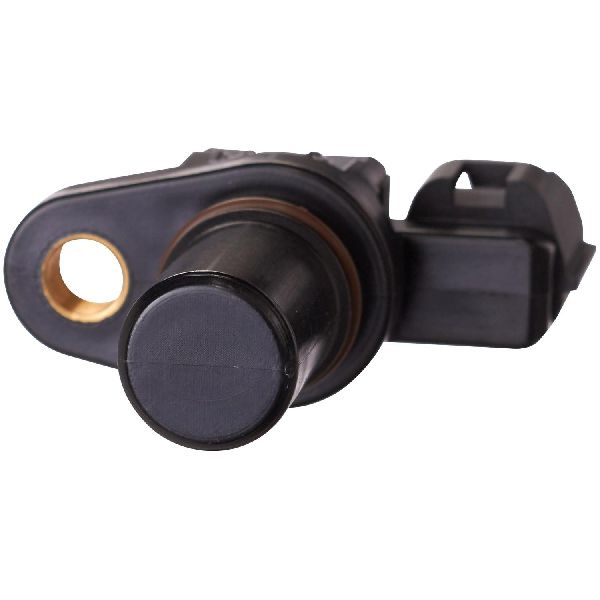
- 2.4L 4-Cylinder (GS/RS models): The camshaft position sensor is a small, individual sensor that bolts onto the cylinder head. It is relatively easy and inexpensive to replace. 🎬 Watch this step-by-step camshaft sensor replacement for 4-cylinder models.
- 3.0L V6 (GT/GTS models): The camshaft position sensor is inside the distributor. You cannot buy the sensor by itself. You must replace the entire distributor assembly to fix a failed internal camshaft position sensor.
Symptoms of a Failing Camshaft Sensor
A bad camshaft sensor can make your car unreliable. The signs often start small and get worse over time. The most common alert is a Check Engine Light with code P0340.
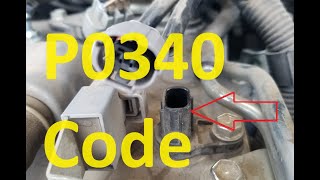
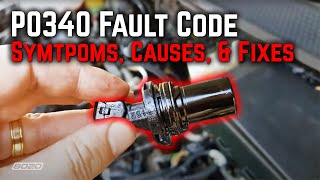
🎬 See this video for a deep dive into P0340 causes.- Check Engine Light: This is usually the first sign. A code reader will show P0340, which means there's a problem in the camshaft position sensor circuit.
- Hard Starting or No Start: The engine may crank for a long time before it starts, or it may not start at all. This happens because the computer doesn't know when to send spark and fuel.
- Stalling: The engine may suddenly shut off while you are driving or idling at a stoplight. This can be dangerous.
- Poor Engine Performance: You may notice rough idling, hesitation when you press the gas, a general lack of power, and engine misfires.
- Reduced Fuel Economy: When the engine's timing is off, it wastes fuel, and you'll find yourself filling up more often.
Choosing the Right Aftermarket Part
For a critical electronic sensor, quality matters. A cheap, low-quality sensor can fail quickly, leaving you with the same problem. This is especially true for V6 owners who must replace the entire distributor; you don't want to do that job twice.
A Note on OEM vs. Aftermarket
For many electronic parts, Original Equipment (OEM) or parts from an OEM supplier are a safe bet. However, quality aftermarket brands can offer reliable performance at a better price. For the V6 distributor, investing in a unit from a reputable brand is highly recommended over the cheapest option available.
Brand Quality Tiers
Based on general reputation for electronic sensors, brands can be grouped into tiers:
- Tier 1 (OEM-level Quality): Brands like Hitachi, Delphi, and NGK (NTK) are often original equipment suppliers to many car manufacturers. They are known for excellent reliability and are a top choice if available. Delphi, for example, states their sensors are tested to OE standards.
- Tier 2 (Reputable Aftermarket): Brands like Standard Ignition (SMP), Beck Arnley, and Dorman have a long history in the aftermarket. They generally provide good quality and are a solid choice for a balance of price and performance.
- Tier 3 (Economy): This category includes many other brands that compete on price. While they are the most affordable, they may carry a higher risk of premature failure or inconsistent performance. Consider these if budget is the primary concern, but be aware of the potential trade-off.
| Part Type | Estimated Cost |
|---|---|
| Aftermarket Sensor (4-Cyl) / Distributor (V6) | $19 - $87 |
| OEM Sensor (4-Cyl) | $100 - $160 |
| OEM Distributor (V6) | $300 - $500+ |
| Shop Labor | $60 - $250+ (Varies by engine) |
Frequently Asked Questions (FAQ)
Can I drive my Eclipse with a bad camshaft sensor?
You can, but it is not recommended. The engine may stall at any time, which is a safety risk. Continuing to drive with a misfiring engine can also damage other expensive components like the catalytic converter.
Where is the camshaft sensor located on my Eclipse?
On the 2.4L 4-cylinder engine, it is on the side of the cylinder head, near the top of the engine, and is accessible after removing the air intake hose. On the 3.0L V6 engine, it is located inside the distributor.
For my V6, can I just replace the sensor inside the distributor?
No. The sensor is integrated into the distributor assembly and is not sold as a separate part. You must buy and install a complete new distributor.
Could something else cause a P0340 code?
Yes. While the sensor itself is the most common cause, the code P0340 refers to a circuit malfunction. This means the problem could also be damaged wiring, a corroded electrical connector, or in rare cases, an issue with the engine's computer. Always inspect the wiring and connector for obvious damage before replacing parts.
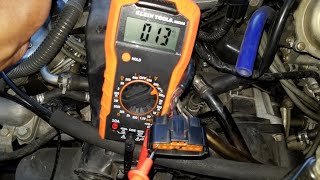
🎬 Watch: How to troubleshoot the camshaft sensor on a GT.Are there any recalls for this part?
No, searches of the National Highway Traffic Safety Administration (NHTSA) database did not find any safety recalls for the camshaft position sensor on the 2001-2006 Mitsubishi Eclipse.
Helpful Videos
Technical Specifications
OEM Part Numbers: MD327107
Location and part type are engine-dependent. The 2.4L I4 uses a single, externally mounted sensor. The 3.0L V6 uses a sensor integrated within the distributor assembly.
We Have This Part in Stock


The information in this article is provided for general reference and educational purposes only. Vehicle specifications, procedures, and part compatibility can vary by production date, trim level, and region. Always consult your vehicle's factory service manual and verify part numbers before purchasing or performing repairs. Safety-critical components such as airbags, seat belts, and braking systems should be installed by a qualified professional.
- Mitsubishi Eclipse: