

Mitsubishi Eclipse Engine Oil Pressure Switch Guide (2001-2006)
Understanding the common oil leaks and warning lights from a failing oil pressure switch on your 3G Eclipse.
- A flickering oil light or a leak near the oil filter are the most common signs of a bad oil pressure switch.
- Always check your oil level first before assuming the switch is bad.
- This is an easy and inexpensive DIY repair; access is from under the car near the passenger-side CV axle.
- Using a quality aftermarket brand like Hella or Standard Ignition is a reliable alternative to the more expensive OEM part.
Is Your Eclipse's Oil Light Flickering or Leaking Oil?
If you own a 2001-2006 Mitsubishi Eclipse, you might eventually face an issue with the engine oil pressure switch. It's a common replacement item. The two most frequent problems are the switch itself failing internally or, more commonly, leaking oil. An internal failure can cause the oil light on your dash to flicker, stay on constantly, or not turn on at all, 🎬 Watch: Why your oil light flickers even with full oil. even when there's a real pressure problem. A leak is often more obvious; you might see oil residue on the switch, the electrical connector, or drips on the ground below the engine.
Don't Ignore the Oil Light
Never assume a lit oil pressure light is just a faulty switch. Always check your oil level immediately. If the oil level is good, the next step is to suspect the switch. However, if the level is low or the engine is making unusual noises (like knocking or ticking), it could be a sign of a serious internal problem. In that case, do not drive the car.
Choosing the Right Aftermarket Switch
For a simple part like an oil pressure switch, you don't always need to buy the expensive OEM part from a dealership. Several reputable aftermarket brands offer quality replacements that meet or exceed original specifications. The key is to balance cost and quality.
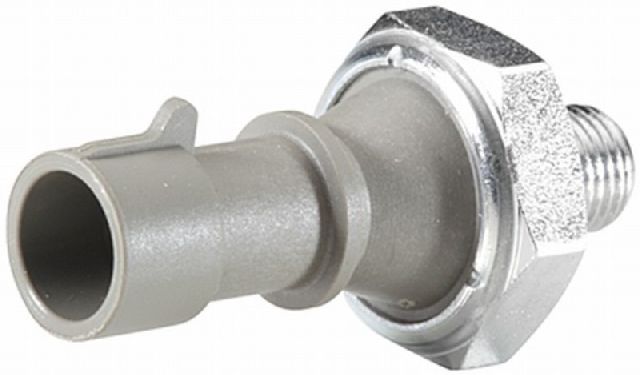
- Premium Aftermarket (Hella, Standard Ignition): Brands like Hella and Standard Motor Products (Standard Ignition) have a long-standing reputation for producing quality electronic components that are comparable to OEM parts. They are a reliable choice for durability and accurate operation.
- Standard Aftermarket (Facet, Holstein, Global Parts): These brands offer a good balance of quality and value. Facet, for example, is a European manufacturer known for producing OE-equivalent parts. They are a solid option for a daily driver without the premium price tag.
- Economy Brands (Rostra Powertrain, others): While the most budget-friendly, these parts can be a gamble. Some may work perfectly, but others have a higher chance of premature failure or leaking. For a critical component tied to engine safety, it's often worth spending a few extra dollars for a more reputable brand.
Pro Tip: Check the Threads
When you remove the old switch, compare the threads to the new one to ensure they match. Also, apply a small amount of thread sealant to the new switch's threads before installation to ensure a leak-proof seal. Be careful not to get any sealant in the small oil passage hole on the tip of the switch.
Cost of Replacing an Eclipse Oil Pressure Switch
This is one of the more affordable repairs you can make. The parts are inexpensive, and if you do it yourself, the only other cost is a bit of your time. Even at a shop, the labor cost should be minimal.
| Item | Cost Range |
|---|---|
| New Aftermarket Switch | $6.79 - $48.54 |
| New OEM Switch (MD138993 / MN163743) | $15 - $35 |
| Shop Labor | $50 - $100 |
Frequently Asked Questions
Where is the oil pressure switch on a 2001-2006 Eclipse?
The switch is located on the engine block. On the 2.4L 4-cylinder engine, it is typically found near the oil filter, just above the passenger side CV axle. 🎬 See this walkthrough for locating and replacing the sensor. You will need to safely jack up the car and look up from underneath to access it. The V6 location is similar, on the rear of the engine block.
Can I replace the oil pressure switch myself?
Yes, this is a very DIY-friendly job. It requires basic tools, including a socket that fits the switch (often a deep 27mm or a special oil pressure switch socket), a ratchet, and possibly an extension. The job can usually be done in under 30 minutes. 🎬 Watch a quick demonstration of the removal and installation process. Just be prepared for a small amount of oil to drip out when you remove the old switch.
Are there any recalls for the oil pressure switch on this Eclipse?
No, there are no specific recalls or Technical Service Bulletins (TSBs) from the NHTSA for the engine oil pressure switch on the 2001-2006 Mitsubishi Eclipse. Known recalls for this vehicle concern other issues like the fuel tank or brake system.
What's the difference between an oil pressure switch and an oil pressure sender?
An oil pressure *switch* is a simple on/off device that triggers a warning light at a preset low pressure. An oil pressure *sender* (or sensor) is more complex, providing a variable signal that allows a gauge to display the actual pressure reading across a range. Your Eclipse uses a switch that acts as a simple on/off trigger for both the light and the 'dummy' gauge.
Helpful Videos
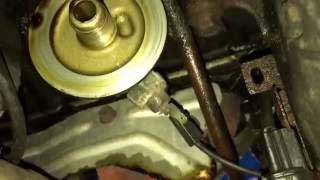
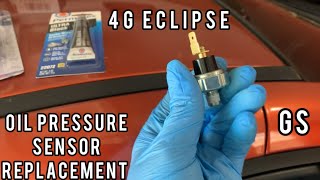
Technical Specifications
OEM Part Numbers: MD138993 MN163743
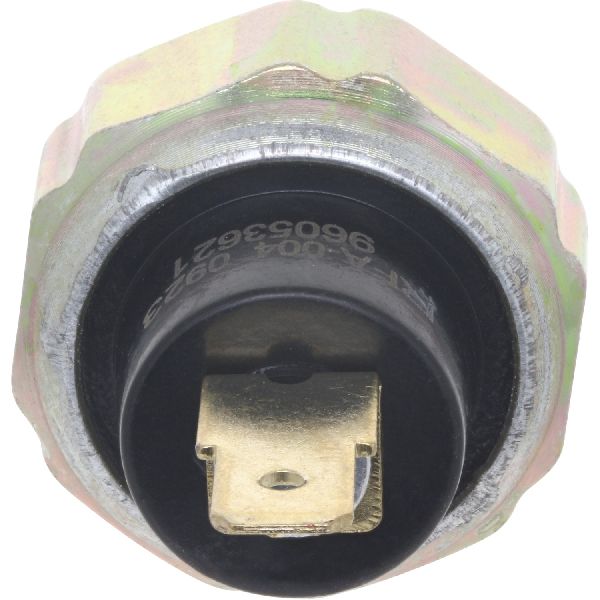
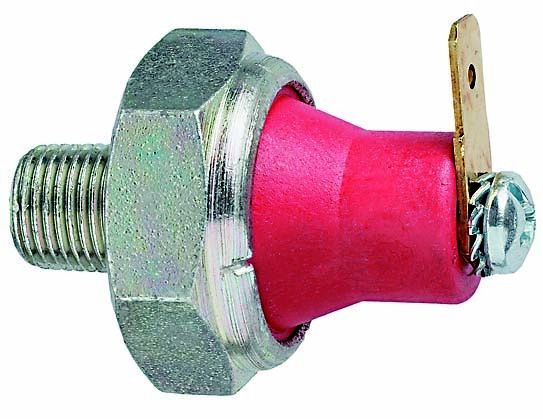
The OEM part number for many 2001-2006 models is MD138993, which has been superseded or is sometimes cross-referenced with MN163743. Always verify fitment with your specific vehicle. The switch uses a single-pin electrical connector and typically requires a 27mm deep socket for removal and installation.
We Have This Part in Stock


The information in this article is provided for general reference and educational purposes only. Vehicle specifications, procedures, and part compatibility can vary by production date, trim level, and region. Always consult your vehicle's factory service manual and verify part numbers before purchasing or performing repairs. Safety-critical components such as airbags, seat belts, and braking systems should be installed by a qualified professional.
- Mitsubishi Eclipse: