

A Guide to Front Suspension Ball Joints for the 2001-2006 Mitsubishi Eclipse
Don't ignore clunks and sloppy steering; your Eclipse's front ball joints are a critical safety component.
- The front lower ball joint is a critical safety part on the 2001-2006 Eclipse; failure can cause a loss of control.
- Do not ignore symptoms like clunking noises, steering wander, or uneven tire wear.
- For aftermarket parts, Delphi is a reliable premium choice, while Moog's quality is inconsistent; budget brands are a trade-off.
- A wheel alignment is mandatory after replacing ball joints to prevent tire damage and ensure safety.
Understanding Ball Joint Failure on Your Eclipse
The front lower ball joints on the 3rd generation Mitsubishi Eclipse are a known weak point that can wear out and potentially fail suddenly. A complete failure can cause the suspension to collapse, leading to a loss of steering control. Because of this serious safety risk, it's crucial to address the warning signs of a failing ball joint immediately. There are no active recalls or technical service bulletins (TSBs) for this specific issue on the 2001-2006 models, making owner vigilance even more important.
Signs of a Bad Ball Joint
Your Eclipse will give you warning signs that a ball joint is wearing out. Ignoring these can be dangerous. Be alert for:
- Clunking or Knocking Sounds: A common first sign is a clunking or popping noise from a front corner of the car, especially when driving over bumps, dips, or turning.
- Steering Wander: The steering may feel loose, sloppy, or vague. You might find yourself constantly making small corrections to keep the car driving straight.
- Vibrations: A worn ball joint can cause a vibration felt in the steering wheel.
- Uneven Tire Wear: Inspect your front tires. If the inside or outside edge is wearing down faster than the rest of the tread, it's a strong indicator of a bad ball joint causing alignment issues.
Critical Safety Warning
A failed lower ball joint can result in the wheel separating from the suspension, causing an immediate loss of vehicle control. If you suspect a bad ball joint, do not continue to drive the vehicle other than to a repair shop.
Choosing the Right Aftermarket Ball Joint
When replacing your Eclipse's ball joints, you have several aftermarket options. Quality can vary, so it's important to choose wisely based on your budget and how long you plan to keep the car.
Tier 1: Premium Quality
- Delphi: Generally considered a high-quality, reliable brand that often meets or exceeds original equipment (OE) standards. A solid choice for longevity and peace of mind.
Tier 2: Reputable but with Mixed Reviews
- Moog: Once the go-to premium brand, Moog's quality has become inconsistent in recent years, according to many forum users. While their "Problem Solver" line may be better, some receive defective parts out of the box. It can be a gamble.
Tier 3: Budget-Friendly
- Mevotech: Offers parts that are a balance of affordability and quality, but experiences are mixed. Some users report early failures, while others have no issues. Best for those on a tight budget who understand the potential trade-off in lifespan.
- QuickSteer & Suspensia: These are typically economy-focused brands. They can be a cost-effective solution for a car you don't plan on keeping for many more years, but may not offer the same durability as premium options.
Pro Tip: The ball joints on this Eclipse are pressed into the lower control arm. This job requires a special ball joint press tool. Many DIY mechanics and even some shops find it easier and more efficient to replace the entire lower control arm, which comes with a new ball joint and new bushings pre-installed.
Estimated Costs
| Part Type | Estimated Cost |
|---|---|
| New Aftermarket Ball Joint (Part Only) | $26.59 - $76.02 |
| New OEM Ball Joint (Part Only) | $90 - $150+ |
| Shop Labor (Ball Joint Only) | $250 - $400 per side |
| Total Professional Replacement (per side) | $300 - $500+ |
Cost estimates are approximate and can vary by location and repair shop.
Frequently Asked Questions
Do I need a wheel alignment after replacing a ball joint?
Yes, absolutely. Replacing a ball joint will alter your car's suspension geometry. A full four-wheel alignment is required after the repair to ensure proper handling, prevent uneven tire wear, and ensure the car drives straight.
Should I replace ball joints in pairs?
It is highly recommended. If the ball joint on one side has failed due to age and mileage, the one on the other side is likely not far behind. Replacing both at the same time saves you money on a second alignment and prevents you from having to do the same job twice in short order.
What's the difference between greasable and sealed ball joints?
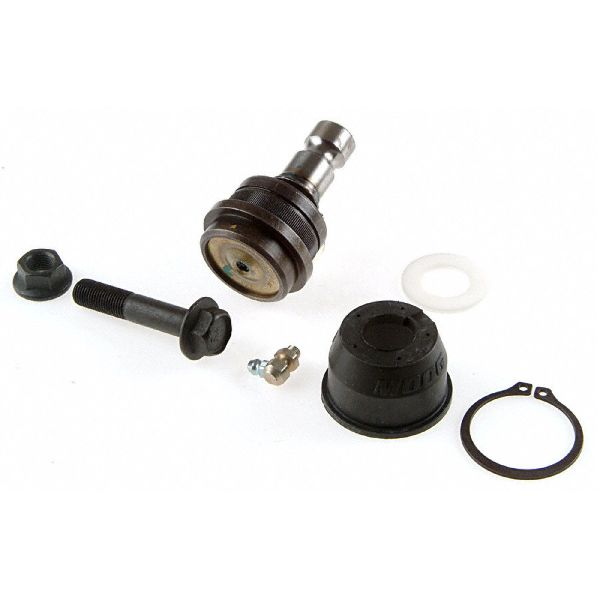
Some aftermarket ball joints (like many from Moog) have a zerk fitting that allows you to add grease periodically, which can extend their life if maintained. Sealed ball joints (like many from Delphi) are maintenance-free but cannot be re-greased. If you choose a greasable joint, you must remember to grease it during regular oil changes.
Can I replace just the ball joint, or do I need the whole control arm?
For the 2001-2006 Eclipse, the ball joint can be replaced separately, but it is pressed into the control arm and requires a special press tool for removal and installation. For many, buying a complete control arm assembly is a faster and easier job, as it simply bolts on and includes a new ball joint and fresh bushings.
Technical Specifications
OEM Part Numbers: MR403441
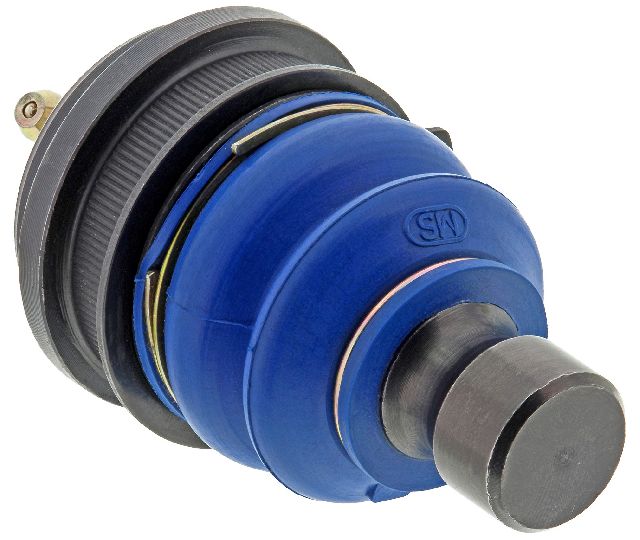
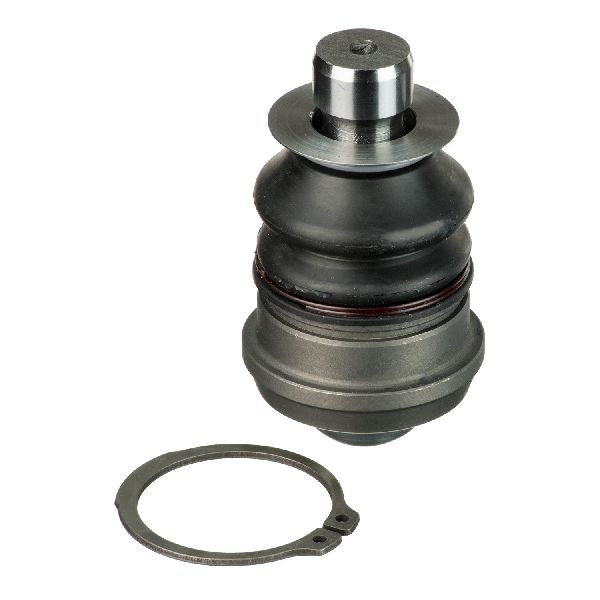
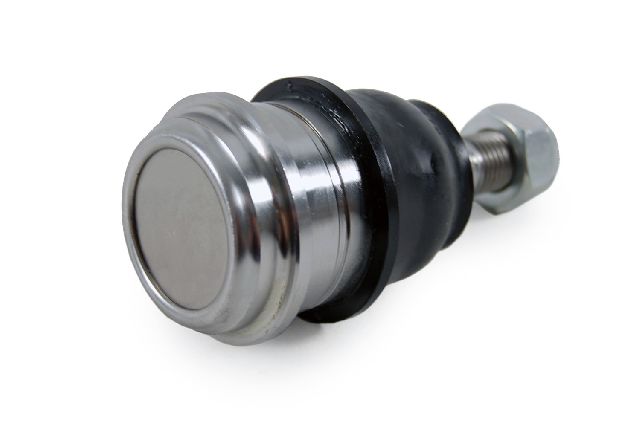
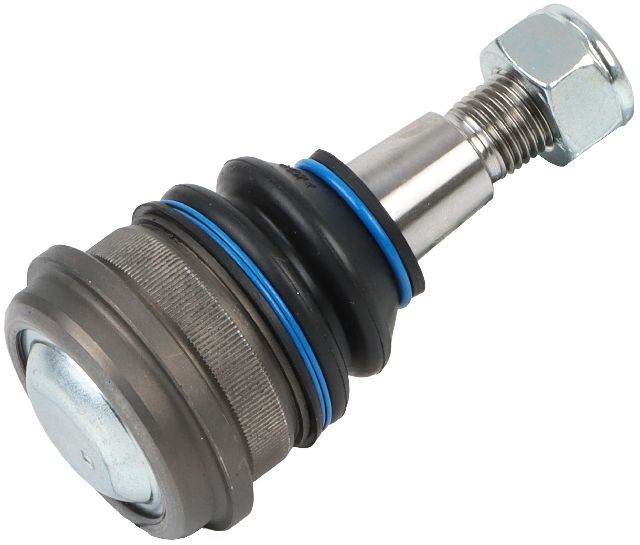
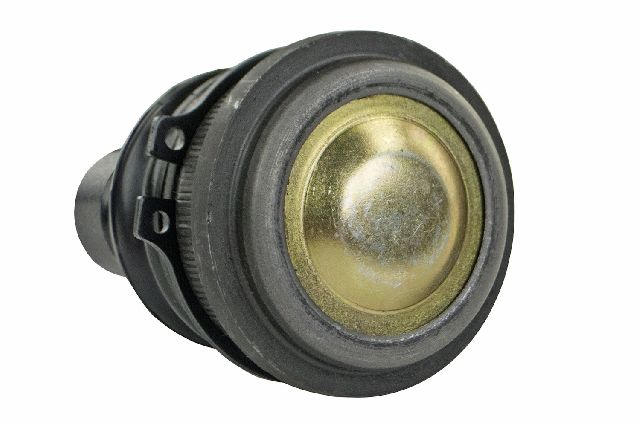
The front lower ball joint on the 2001-2006 Mitsubishi Eclipse is a press-in type, meaning it requires a specialized tool to be pressed out of and into the steel lower control arm.
We Have This Part in Stock

The information in this article is provided for general reference and educational purposes only. Vehicle specifications, procedures, and part compatibility can vary by production date, trim level, and region. Always consult your vehicle's factory service manual and verify part numbers before purchasing or performing repairs. Safety-critical components such as airbags, seat belts, and braking systems should be installed by a qualified professional.
- Mitsubishi Eclipse: