

A Practical Guide to the 2001-2006 Porsche 911 Engine Coolant Temperature Sensor
Erratic temperature gauge or poor engine performance? Your coolant temperature sensor may be the culprit.
- A faulty coolant sensor directly impacts your 911's performance and fuel efficiency.
- Symptoms often include an erratic temperature gauge and a Check Engine Light with codes like P0118.
- Replacement is manageable for a DIYer but access is tight, requiring removal of the airbox.
- Aftermarket sensors offer significant cost savings, but OEM provides guaranteed fit and quality.
Symptoms of a Failing Coolant Temperature Sensor in a 911
When the coolant temperature sensor starts to fail, it can send incorrect signals to your car's computer, leading to a variety of issues. One of the most common signs is an erratic temperature gauge on your dashboard. You might see the needle drop to zero, jump to the red zone unexpectedly, or not move at all. This is often accompanied by a flashing red warning light and a 'failure' message on the display.
A faulty sensor can also cause noticeable performance problems. These include:
- Hard Starting: The engine may be difficult to start, particularly when it's already warm.
- Poor Fuel Economy: If the computer thinks the engine is always cold, it will inject too much fuel, hurting your gas mileage.
- Check Engine Light: A failing sensor will often trigger a Check Engine Light. Common trouble codes include P0118 and P3081.
- Black Smoke from Exhaust: An overly rich fuel mixture, caused by a bad sensor reading, can result in black smoke from the tailpipe.
A Note on Warning Lights
A flashing red light on the 911's dash can indicate a sensor failure, but it's also the primary warning for a low coolant level. Always check your coolant level in the expansion tank first to rule out a simple top-off before suspecting a sensor issue.
Choosing Your Aftermarket Replacement Sensor
When replacing the coolant temperature sensor on your 911, you have a choice between OEM (Original Equipment Manufacturer) and aftermarket parts. For a high-performance vehicle like a Porsche, the OEM part is the benchmark for quality and guaranteed fit. However, aftermarket brands provide a more budget-friendly option.
The brands available in our inventory include:
- Standard Ignition: A long-standing company that produces a wide range of engine management parts. They aim to meet OEM specifications.
- Walker Products: Another established manufacturer in the aftermarket space, Walker produces sensors designed to be direct-fit replacements.
- Global Parts: This brand offers a cost-effective alternative for many common replacement parts.
For a critical sensor like this, many Porsche owners prefer the peace of mind that comes with an OEM part. However, if budget is a primary concern, aftermarket sensors will restore function. Given the labor involved in replacement, choosing a quality part is recommended to avoid doing the job twice.
Cost of Replacing a 911 Coolant Temperature Sensor
| Part Type | Estimated Cost |
|---|---|
| New Aftermarket Sensor | $16.73 - $55.87 |
| New OEM Sensor | $28 - $90 |
| Shop Labor | $180 - $360 |
DIY Replacement is Possible
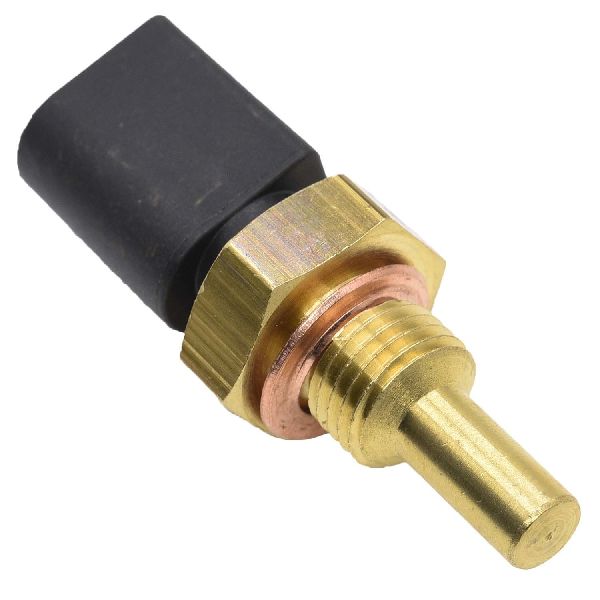
For the 2001-2006 Porsche 911 (996 and early 997 models), the sensor is located on the right side of the engine, near the cylinder head and often tucked behind the alternator. While access is tight and may require removing the airbox and other components, it is a job that a patient DIY mechanic can perform. If you're quick, you will only lose a small amount of coolant.
Frequently Asked Questions
Where is the coolant temperature sensor located on my 911?
On the 2001-2006 911, the sensor is on the right side of the engine (passenger side in the US) near the cylinder head. You will likely need to remove the airbox to see and access it.
Can I replace this sensor myself?
Yes, this is a DIY-friendly task for those with some mechanical experience. It requires patience due to tight access. You'll need basic hand tools and a 22mm socket or crowfoot wrench. Always work on a cold engine.
Is there a recall for this part?
No, there are no specific recalls or technical service bulletins (TSBs) from Porsche for the engine coolant temperature sensor on these models. However, forum discussions show that sensor failure is a relatively common problem for owners.
What happens if I don't replace a bad sensor?
Ignoring a faulty sensor can lead to persistent poor engine performance, terrible fuel economy, and potential long-term damage from the engine running too rich. It can also prevent you from knowing if your engine is truly overheating, which could lead to catastrophic engine damage.
Technical Specifications
OEM Part Numbers: 99760642000
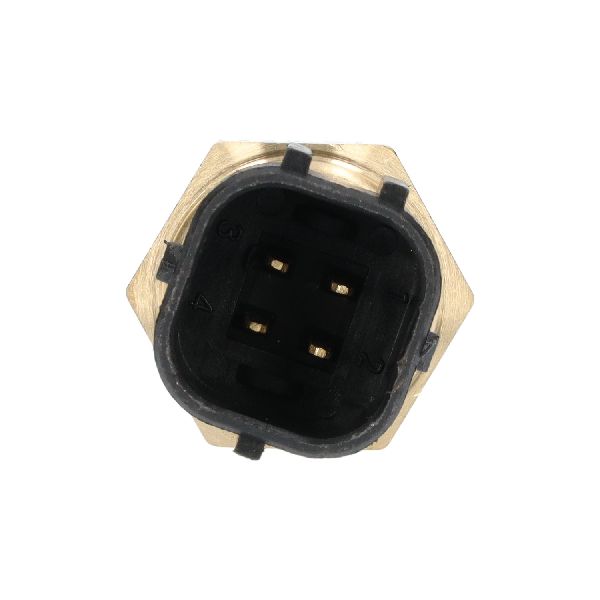
The sensor for the 996/997.1 is a 4-pin sensor that sends signals to both the DME and the instrument cluster gauge.
We Have This Part in Stock


The information in this article is provided for general reference and educational purposes only. Vehicle specifications, procedures, and part compatibility can vary by production date, trim level, and region. Always consult your vehicle's factory service manual and verify part numbers before purchasing or performing repairs. Safety-critical components such as airbags, seat belts, and braking systems should be installed by a qualified professional.
- Porsche 911: