

Acura MDX Engine Mounts (2001-2007): A Guide to Replacing and Upgrading
If your MDX is vibrating or making clunking sounds, your engine mounts are the likely cause.
- Engine mount failure is a very common problem for the 2001-2007 MDX, often causing severe vibration.
- OEM mounts are hydraulic and offer the best ride quality; most aftermarket mounts are solid rubber and will increase cabin vibration.
- The rear engine mount is extremely difficult to replace and may require lowering the subframe.
- Visually inspect failed mounts for oily residue, which confirms it was a hydraulic mount that has leaked.
Symptoms of a Failing Engine Mount
A bad engine mount on a 2001-2007 Acura MDX makes itself known. The most common complaint is a strong vibration felt through the steering wheel and cabin, especially when the vehicle is stopped and in gear. You may also hear clunking or banging noises from the engine bay when you accelerate or shift from park to drive. In severe cases, you might see the engine physically move or sag to one side if you look under the hood.
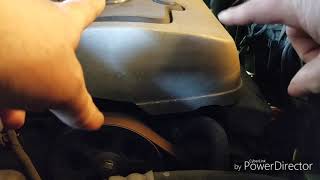
🎬 Watch this video to see a professional motor mount diagnosis.Known Issues for the 2001-2007 MDX
Premature engine mount failure is a well-documented issue for this generation of the Acura MDX. Owners frequently report needing to replace the front or side mounts at relatively low mileage, sometimes between 40,000 and 80,000 miles. The original hydraulic mounts can tear, causing the internal fluid to leak out and leaving them unable to dampen vibrations. While there was never an official recall for this issue, it is a very common repair.
Choosing the Right Aftermarket Mount: OEM vs. Aftermarket
When it comes to engine mounts for this specific vehicle, the choice between Original Equipment (OEM) and aftermarket is critical and comes down to a trade-off between cost and comfort.
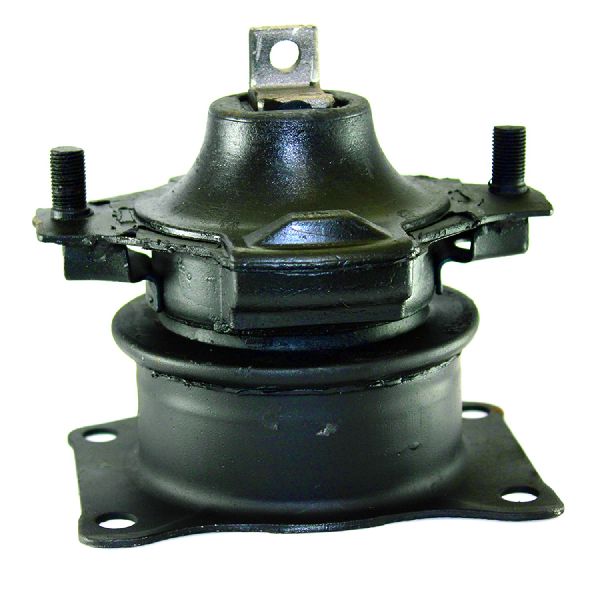
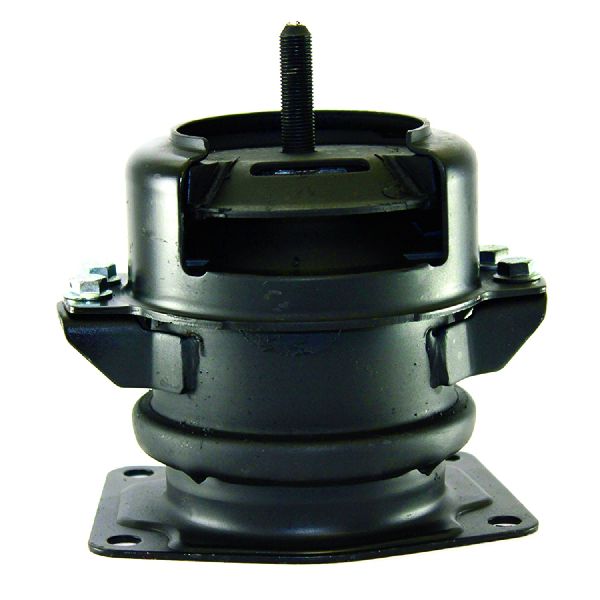
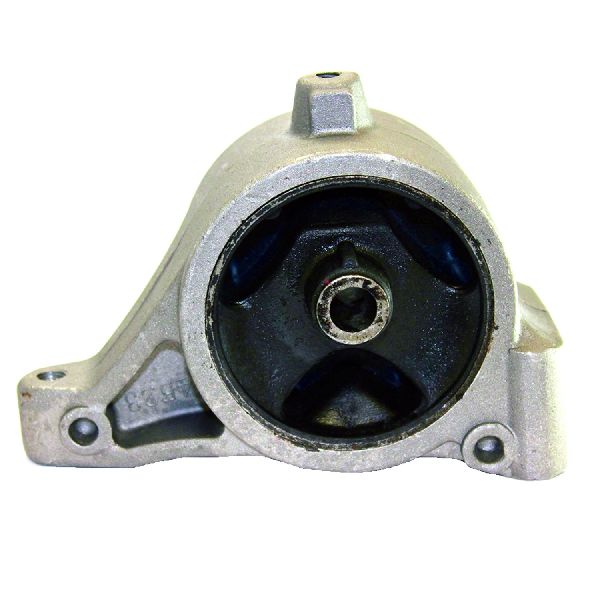
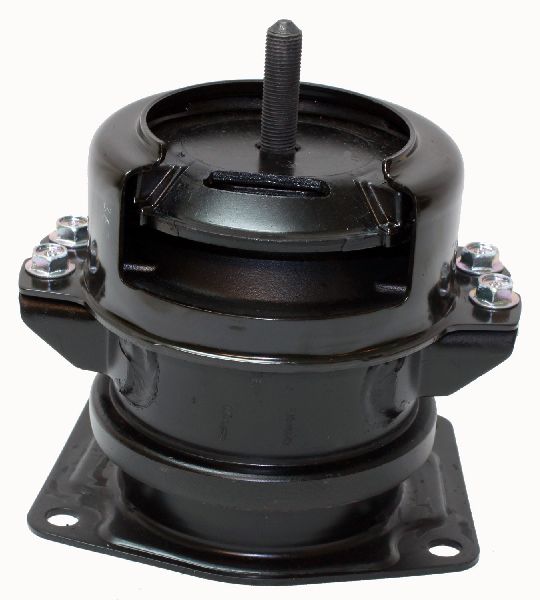
- OEM (Original Equipment Manufacturer): This is the highest quality option and the only way to restore the original, smooth ride quality. These are the fluid-filled, vacuum-actuated mounts your MDX was designed with. The downside is the significantly higher cost. If your budget allows, OEM is the recommended choice to avoid vibration issues.
- Premium Aftermarket (e.g., Beck Arnley): Brands like Beck Arnley often source parts from various manufacturers, sometimes even the OEM supplier. However, for these MDX mounts, the quality can be inconsistent. You might get a hydraulic mount, or you might get a solid rubber one. Forum users report mixed results, with some experiencing significant vibrations even with these pricier aftermarket parts.
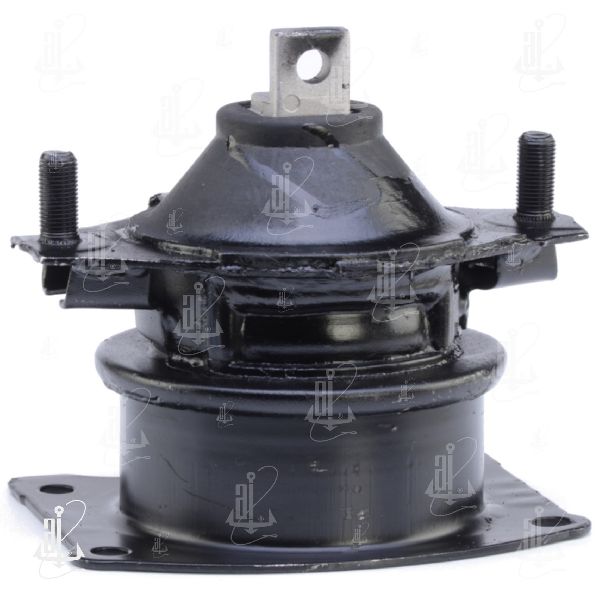
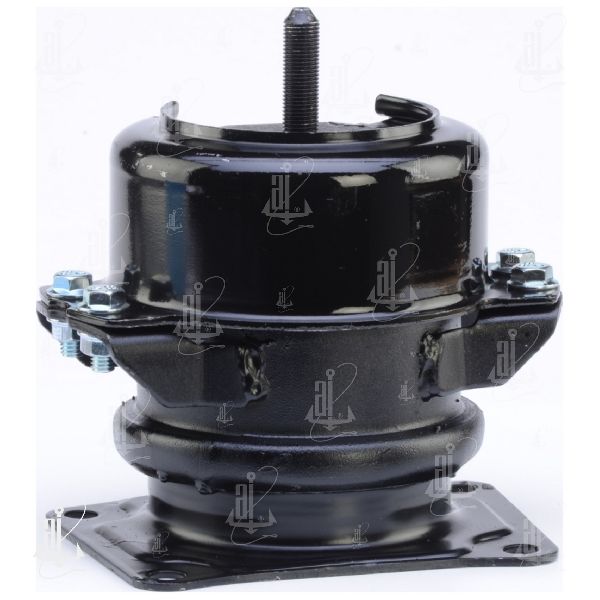
- Economy Aftermarket (e.g., Anchor, DEA, Westar): These are the most affordable options. However, they are almost always solid rubber, not hydraulic. While they will secure your engine properly, they will transmit much more engine vibration into the cabin. Choose this option only if you are on a tight budget and can tolerate a rougher, noisier ride.
Pro Tip: Before ordering, visually inspect your failed mount. If you see black oily residue around it, it was a hydraulic mount. Replacing it with a cheap, solid rubber aftermarket mount will result in a noticeable increase in vibration.
Cost to Replace Acura MDX Engine Mounts
| Part Type | Estimated Cost (Part Only) |
|---|---|
| New Aftermarket | $34 - $105 per mount |
| New OEM | $170 - $250+ per mount |
| Shop Labor | $300 - $450+ (for a set) |
Frequently Asked Questions (FAQ)
How many engine mounts does a 2001-2007 Acura MDX have?
The V6 engine and transmission assembly in the MDX is held in place by a system of mounts. This includes a front engine mount, a side engine mount, a rear engine mount, and transmission mounts, totaling around 5 key pieces.
Can I replace just one bad engine mount?
Yes, you can replace just the one that has failed. However, engine mounts are wear items, and they tend to fail around the same time. If one has failed, the others are likely stressed and may fail soon. If your budget allows, replacing them as a set is a good preventative measure.
Are aftermarket mounts really that bad for the MDX?
They are not "bad" in that they won't hold the engine, but they are different. Most affordable aftermarket mounts are solid rubber, while the originals are hydraulic and vacuum-assisted. This difference means aftermarket options often can't absorb vibrations as well, leading to a rougher feel at idle and during acceleration.
How difficult is it to replace the engine mounts myself?
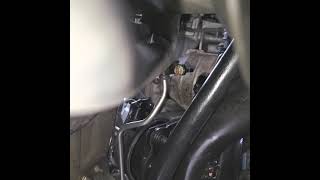
The difficulty varies greatly by mount. The passenger-side mount is the most accessible. 🎬 See this walkthrough for replacing the upper passenger side mount. The front mount is more challenging but manageable for an experienced DIYer. The rear mount is notoriously difficult to access and often requires lowering the subframe, making it a tough job without a vehicle lift and specialized tools.
🎬 Watch this DIY guide for tackling the difficult rear mount.Helpful Videos
Technical Specifications
OEM Part Numbers: 50800-S3V-A82 (Front Mount) 50820-S3V-A82 (Side Mount) 50810-S3V-A01 (Rear Mount) 50805-S3V-A81 (Front Transmission Mount)
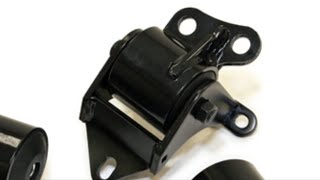
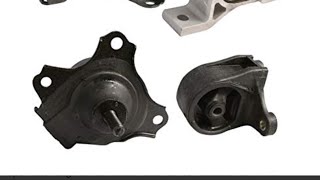
The key specification for this vehicle is the type of mount. The original front and side mounts are hydraulic (fluid-filled) and vacuum-actuated to provide active vibration damping. Most aftermarket replacements are a simpler, solid rubber design.
We Have This Part in Stock

The information in this article is provided for general reference and educational purposes only. Vehicle specifications, procedures, and part compatibility can vary by production date, trim level, and region. Always consult your vehicle's factory service manual and verify part numbers before purchasing or performing repairs. Safety-critical components such as airbags, seat belts, and braking systems should be installed by a qualified professional.
- Acura MDX: