

A Practical Guide to Oxygen Sensors for the 2001-2007 BMW 325i (E46)
Keep your BMW's M54 engine running smoothly by learning how to choose and replace the right oxygen sensors.
- Your 2001-2007 325i has four oxygen sensors; two upstream for fuel control and two downstream for catalyst monitoring.
- For reliability, choose OEM-supplier brands like Bosch or high-quality alternatives like NTK/NGK.
- Before replacing sensors, check the 30-amp heater circuit fuse in the engine bay fuse box, as a blown fuse can cause multiple sensor codes.
- Sensors should be replaced every 100,000 miles for optimal fuel economy, even if the check engine light is not on.
Is Your BMW 325i's Oxygen Sensor Failing?


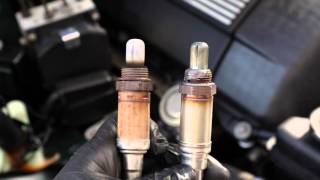
A bad oxygen sensor can cause real problems for your car's performance and your wallet. Because these sensors degrade over time, it's recommended to replace them every 100,000 miles as preventative maintenance. If a sensor fails, your engine's computer has to guess the right air-fuel mixture, often running rich (too much fuel) to be safe. This leads to noticeable symptoms.
Key Symptoms of a Bad O2 Sensor:
- Check Engine Light: This is the most common sign. The light will come on for sensor failures or heater circuit problems.
- Worse Gas Mileage: When the engine computer defaults to a rich mixture, it wastes fuel, and you'll find yourself at the gas pump more often.
- Rough Idle or Engine Stutter: An imbalanced air-fuel ratio can make your engine run poorly, especially when idling.
- Failed Emissions Test: Your car cannot pass a smog inspection with a malfunctioning oxygen sensor.
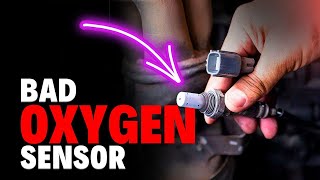
- Rotten Egg Smell: Excess unburnt fuel in the exhaust system can sometimes produce a sulfur-like smell. 🎬 Watch: A breakdown of common bad oxygen sensor symptoms.
Check This First!
Before you buy new sensors, check the 30-amp fuse for the oxygen sensor heaters. This fuse is located in the engine bay fuse box. If it's blown, it can trigger error codes for all four sensors at once. Replacing a simple fuse could save you hundreds of dollars.
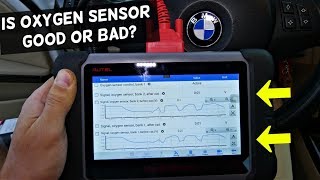
🎬 See how to test if your BMW sensor is actually bad.Choosing the Right Aftermarket Oxygen Sensor

Not all aftermarket sensors are created equal, especially for a German vehicle like your E46 325i. The sensors must provide precise readings for the engine to perform correctly. Using low-quality parts can lead to continued problems and another check engine light.
Brand Quality Tiers for Your BMW
Based on community feedback and OEM supplier information, brands can be grouped into tiers.
- Tier 1: OEM-Equivalent Brands. These are the safest bet for reliability and performance. They are either the original supplier or have a reputation for matching OEM quality.
- Bosch: Bosch is the Original Equipment Manufacturer (OEM) for the 2001-2007 BMW 325i. Choosing Bosch is the closest you can get to buying a genuine BMW part without the dealer markup. Be cautious of fakes on sites like Amazon.
- NGK / NTK: NTK is the sensor division of NGK. They are a top-tier OEM supplier for many automakers and are highly recommended by BMW enthusiasts as a reliable alternative to Bosch.
- Denso: Another major OEM supplier known for high-quality sensors that meet original specifications.
- Tier 2: Standard Aftermarket Brands. These brands offer a balance of price and quality, but user experiences can be mixed.
- Delphi: A well-known aftermarket manufacturer with a broad catalog.
- Hella: A German company known for electronics and lighting, often considered a decent quality aftermarket choice.
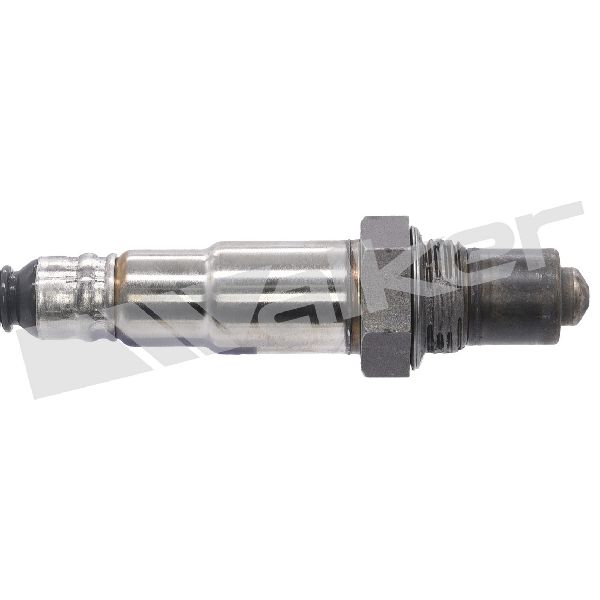
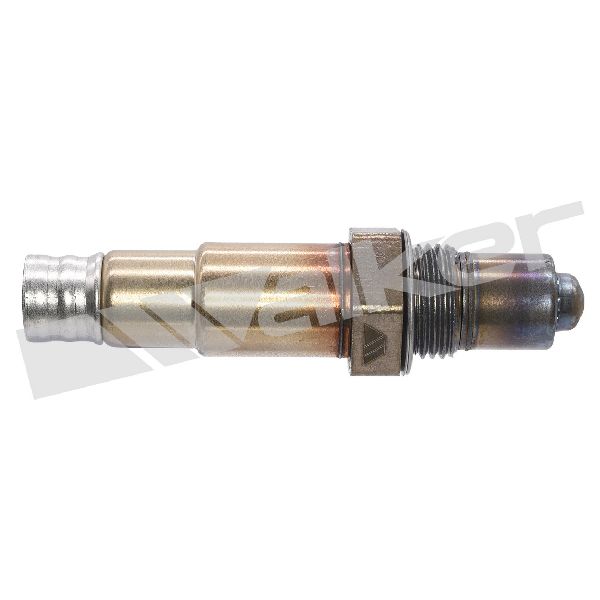
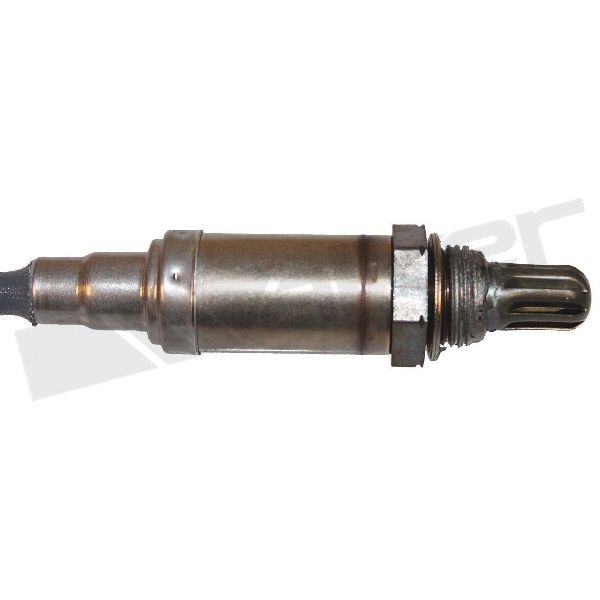
- Walker Products: Reviews for Walker sensors are inconsistent. Some users report they work fine, while others have experienced premature failures or incorrect readings on BMWs.
- Tier 3: Economy Brands. These are the most affordable options, but carry a higher risk of failure or incompatibility. Use with caution, especially for critical electronic parts.
- URO Parts: Generally considered a budget brand. While suitable for some simple mechanical parts, forum members often advise against using their electronic components like sensors.
- DriveWire, Facet, Spectra, Vemo: These fall into the general economy category. They may work, but long-term reliability is not as proven as the top-tier brands.
Ordering the Correct Part
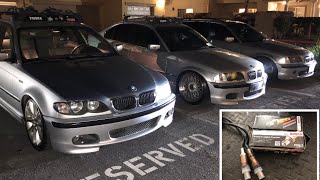
Your 325i has four sensors, and they are not all the same. There are upstream (pre-cat) and downstream (post-cat) sensors. They have different part numbers, cable lengths, and sometimes connectors. Always verify the sensor's position (e.g., Bank 1 Sensor 1, Bank 2 Sensor 2) before ordering. To avoid mixing them up, it's best to replace them one at a time.
How Much Does a New Oxygen Sensor Cost?

The price depends heavily on the brand and whether you do the work yourself. Below is an estimated cost breakdown for the 2001-2007 BMW 325i.
| Part Type | Estimated Cost (Per Sensor) |
|---|---|
| New OEM (Genuine BMW) | $180 - $300+ |
| New Aftermarket (OEM Supplier - Bosch, NTK) | $75 - $150 |
| New Aftermarket (Economy) | $25 - $70 |
| Shop Labor | $100 - $250 |
Frequently Asked Questions
How many oxygen sensors does my 2001-2007 325i have?
Your car has four oxygen sensors. Two are upstream (before the catalytic converters) and two are downstream (after the catalytic converters).
What is the difference between Bank 1 and Bank 2?
On the M54 straight-six engine, Bank 1 refers to the exhaust manifold and catalyst serving cylinders 1, 2, and 3 (the front three). Bank 2 refers to the one serving cylinders 4, 5, and 6 (the rear three).
Can I replace just one oxygen sensor?
Yes, but it's often recommended to replace them in pairs (both upstream or both downstream). Because they age at a similar rate, if one has failed, the other may not be far behind. Replacing in pairs ensures balanced readings for the engine computer.
Is replacing an oxygen sensor a DIY job?
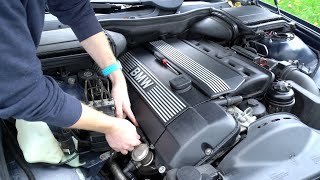
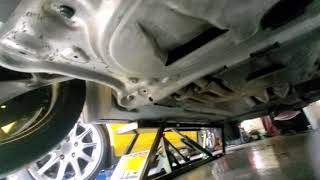
Yes, it is a feasible DIY project for those with some mechanical experience. You will need a special 22mm (7/8") oxygen sensor socket, extensions, and a ratchet. The downstream sensors are generally easier to access from under the car, while the upstream sensors, particularly the rear one (Bank 2), can be difficult to reach.
🎬 Watch: Step-by-step guide to replacing upstream sensors on an M54.Are there any recalls for the oxygen sensors on my 325i?
No, there are no specific recalls issued by the NHTSA for oxygen sensor failure on the 2001-2007 BMW 325i.
Helpful Videos
Technical Specifications
OEM Part Numbers: 11781742050 11787514926 11787514927 11787515826 11787515827 11781433940
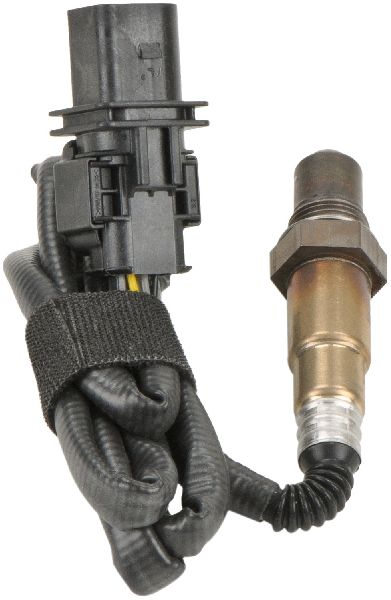
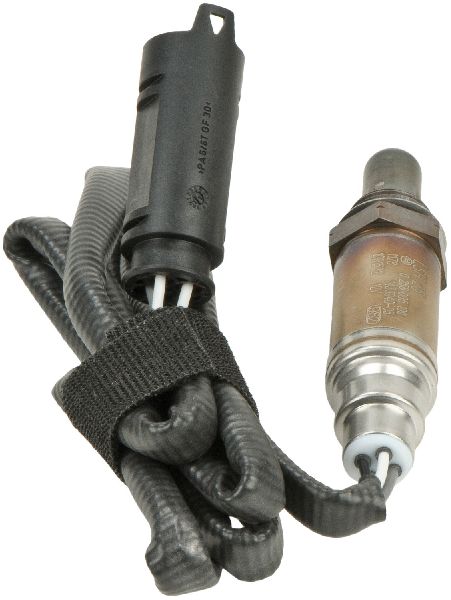
Your vehicle uses four heated oxygen sensors. Two are upstream (pre-catalyst) wideband sensors and two are downstream (post-catalyst) narrowband sensors. Connectors and cable lengths differ by position, so verify the exact part number for the specific location you are replacing.
We Have This Part in Stock


The information in this article is provided for general reference and educational purposes only. Vehicle specifications, procedures, and part compatibility can vary by production date, trim level, and region. Always consult your vehicle's factory service manual and verify part numbers before purchasing or performing repairs. Safety-critical components such as airbags, seat belts, and braking systems should be installed by a qualified professional.
- BMW 325i:
- 🎬 Helpful Videos
- 🛍️ Shop This Part
- Is Your BMW 325i's Oxygen Sensor Failing?
- Key Symptoms of a Bad O2 Sensor:
- Check This First!
- Choosing the Right Aftermarket Oxygen Sensor
- Brand Quality Tiers for Your BMW
- Ordering the Correct Part
- How Much Does a New Oxygen Sensor Cost?
- Frequently Asked Questions
- 🎟️ Get 5% Off