

Dodge Caravan Catalytic Converter Guide for 2001-2007 Models
Everything you need to know when facing a P0420 code and choosing a new aftermarket catalytic converter for your van.
- The most common sign of failure is a P0420 check engine light code, often followed by a loss of engine power.
- Aftermarket converters are a cost-effective solution, but expect a trade-off in longevity compared to expensive OEM parts.
- Replacement can be a difficult DIY job due to heavily rusted bolts connecting the converter to the manifold; professional installation is often worth the cost.
- Always consider replacing oxygen sensors with the converter to ensure proper system function and prevent premature failure of the new part.
Is Your Caravan's Catalytic Converter Failing?
A failing catalytic converter is a common issue on older vehicles like the 2001-2007 Dodge Caravan. The signs are usually hard to ignore. Being aware of the symptoms can help you diagnose the problem before it causes more serious issues.
Common Symptoms of Failure:
- Check Engine Light: This is the most frequent sign. The code is almost always P0420, which means "Catalyst System Efficiency Below Threshold."
- Loss of Power: If the converter is clogged, it chokes the engine. You'll notice your van is sluggish, struggles to accelerate, and has trouble climbing hills.
- Rattling Noises: The ceramic honeycomb inside the converter can break apart and rattle around, creating a noise like a shaken box of rocks from under the van.
- Rotten Egg Smell: A distinct sulfur smell from the tailpipe means the converter isn't properly processing the exhaust gases.
- Worse Gas Mileage: A clogged converter creates backpressure, forcing the engine to work harder and burn more fuel.
Don't Ignore a Clogged Converter
While a merely inefficient converter (P0420 code only) can often be driven on for a while, a severely clogged one is a serious problem. It can cause such poor engine performance that the vehicle becomes difficult or unsafe to drive, and in extreme cases, can lead to engine damage from excessive heat and backpressure.
Choosing the Right Aftermarket Converter
When replacing the catalytic converter on your Caravan, you'll face a choice between expensive OEM parts and more affordable aftermarket options. For a vehicle of this age, an aftermarket part is often the most practical choice. However, quality varies significantly between brands.
OEM vs. Aftermarket: The Trade-Off
An Original Equipment Manufacturer (OEM) converter from Mopar is guaranteed to fit perfectly and will last a long time, often over 80,000 miles. This is because it contains a high amount of precious metals. The downside is the very high cost. Aftermarket converters are much cheaper because they use fewer of these expensive metals. This means they may not last as long (some last 30,000-60,000 miles) and can sometimes have minor fitment issues. For most 2001-2007 Caravan owners, a quality aftermarket part provides the best balance of price and function.
Aftermarket Brand Tiers
- Premium Aftermarket (e.g., MagnaFlow OEM Grade): These are high-quality aftermarket parts designed to mimic OEM performance and durability as closely as possible. They use better materials and construction, making them a good choice if you plan to keep your van for many more years.
- Mid-Range/Standard (e.g., Walker, AP Exhaust): These are the workhorses of the aftermarket world. Brands like Walker are well-known for providing a reliable, direct-fit product that will turn off the check engine light and pass emissions tests in most states. They offer a solid balance of quality and affordability.
- Economy (e.g., Davico, Eastern Catalytic, Evan Fischer): These brands offer the lowest prices, which can be very tempting. However, they are the most likely to have fitment issues that may require extra work during installation. While they can solve a P0420 code, their long-term durability may be shorter than mid-range options.
Federal vs. CARB-Compliant
For a 2001-2007 Dodge Caravan, you will most likely only need a Federal/EPA-compliant converter unless you live in a state with very strict emissions standards like California or New York. Always check your local regulations, but Federal converters are legal and appropriate for the vast majority of states.
Replacement Cost for a 2001-2007 Dodge Caravan
The cost can vary based on the part brand you choose and local labor rates. The biggest challenge for this job is often dealing with rusted bolts, which can increase labor time.
| Item | Estimated Cost |
|---|---|
| New Aftermarket Converter (Federal) | $150 - $500 |
| New OEM Converter | $800 - $1500+ |
| Shop Labor | $250 - $500 |
| Total Aftermarket Replacement | $400 - $1000 |
Frequently Asked Questions
Why did my original catalytic converter fail?
Catalytic converters don't just fail on their own. Failure is usually a symptom of another problem. Common causes include engine misfires (dumping unburned fuel into the exhaust), leaking head gaskets (contaminating the converter with coolant), or burning oil, which can coat and clog the internal structure. Before installing a new converter, it's wise to diagnose and fix the root cause.
What is the P0420 code and will a new converter fix it?
P0420 means the powertrain computer has detected that the catalytic converter is no longer operating at the required 95%+ efficiency. It compares the readings from the oxygen sensor before the converter to the sensor after it. If the readings are too similar, it triggers the code. Replacing a worn-out converter with a quality new one is the correct fix for this code, assuming the oxygen sensors themselves are working correctly.
Should I replace my oxygen sensors at the same time?
It is highly recommended. Old, slow-reacting oxygen sensors can cause fuel mixture problems that can damage a new converter, or they can fail to read correctly, potentially causing a P0420 code to return even with a new part. Replacing the upstream and downstream O2 sensors with the converter is a smart investment to ensure the whole system works together properly.
Is replacing the converter a DIY job?
For an experienced DIYer, yes. The converter is a direct-fit part. However, the four bolts connecting it to the exhaust manifold are notoriously difficult to remove due to rust and heat cycles. You should be prepared with penetrating oil, a breaker bar, and potentially a reciprocating saw or angle grinder to cut the old bolts off. If you are not comfortable with this, it is best left to a professional muffler shop.
Technical Specifications
OEM Part Numbers: 4881138AD 4881138AE 4881138AF 4881138AG 4881138AH 4881448AA 4881448AB 68206654AA
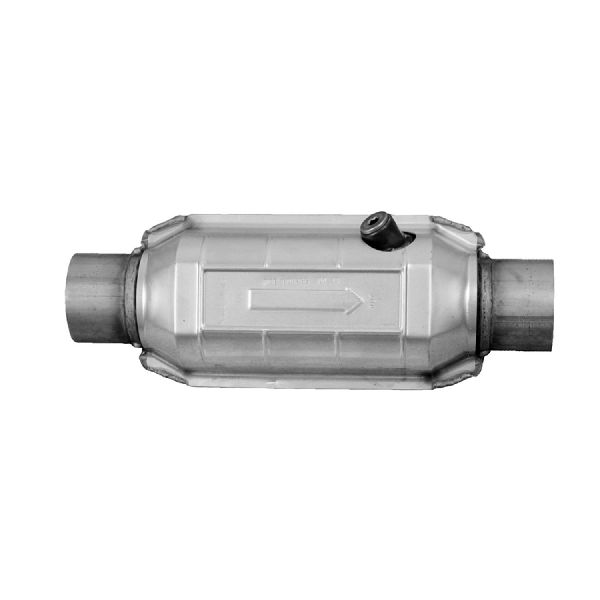
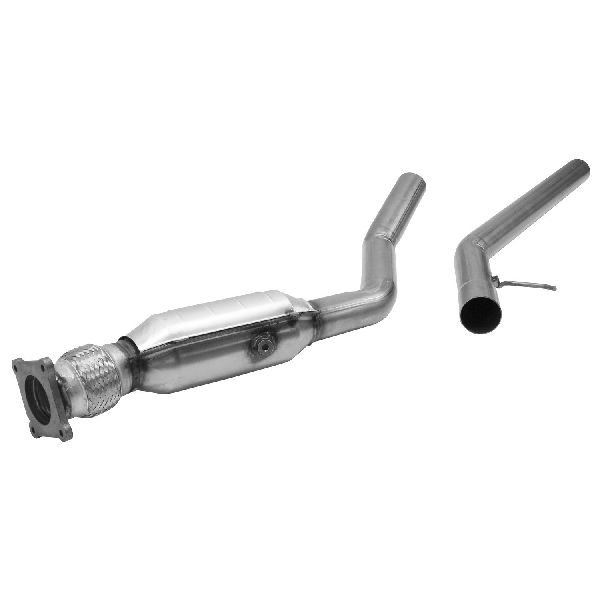
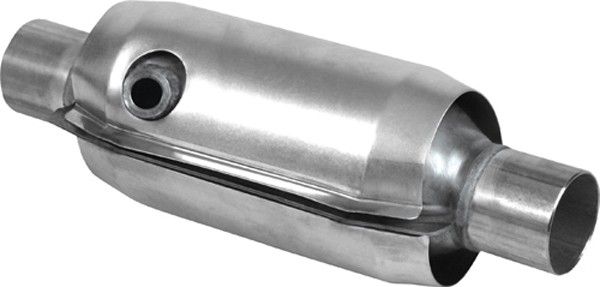
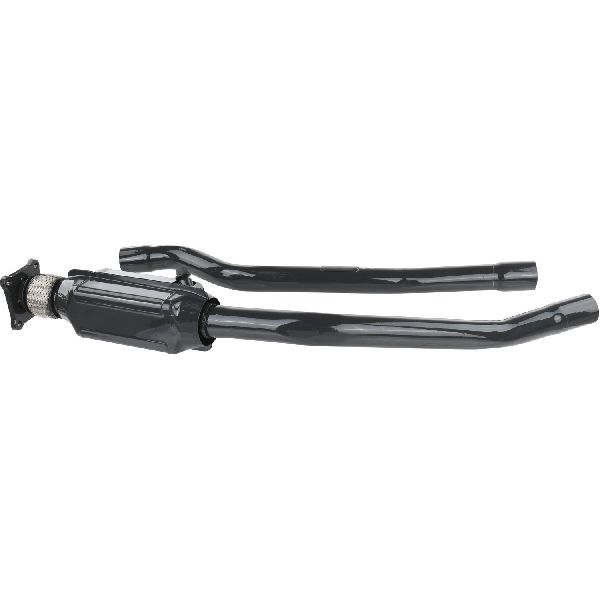
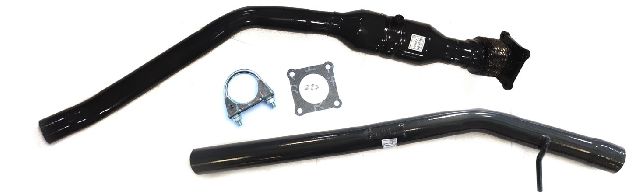
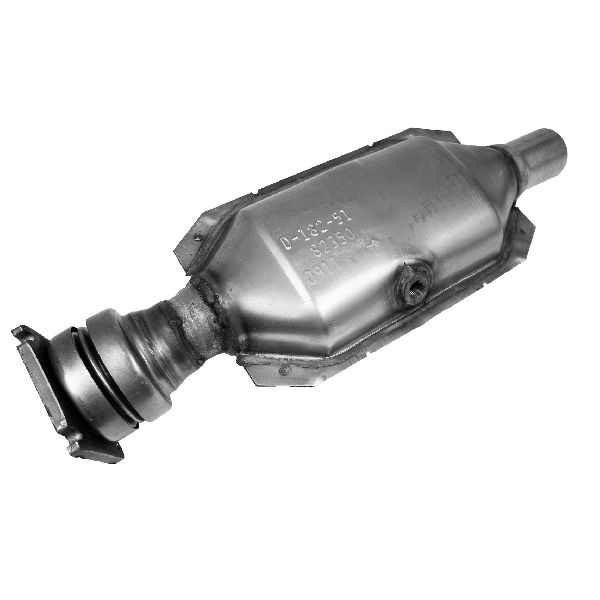
The catalytic converter for the 2001-2007 Dodge Caravan with a 3.3L or 3.8L V6 engine is a one-piece, direct-fit assembly. It features a 4-bolt welded flange at the inlet that connects to the exhaust manifold and a pipe connection at the outlet that goes to the muffler/resonator. The assembly includes one mid-bed oxygen sensor port. Some models, particularly 2005-2007 with Stow-N-Go seating, may have specific fitments.
We Have This Part in Stock

The information in this article is provided for general reference and educational purposes only. Vehicle specifications, procedures, and part compatibility can vary by production date, trim level, and region. Always consult your vehicle's factory service manual and verify part numbers before purchasing or performing repairs. Safety-critical components such as airbags, seat belts, and braking systems should be installed by a qualified professional.
- Dodge Caravan:
- 🛍️ Shop This Part
- Is Your Caravan's Catalytic Converter Failing?
- Common Symptoms of Failure:
- Don't Ignore a Clogged Converter
- Choosing the Right Aftermarket Converter
- OEM vs. Aftermarket: The Trade-Off
- Aftermarket Brand Tiers
- Federal vs. CARB-Compliant
- Replacement Cost for a 2001-2007 Dodge Caravan
- Frequently Asked Questions
- 🎟️ Get 5% Off