

Guide to the 2001-2007 Ford Focus Engine Cylinder Head Temperature Sensor
Is your temperature gauge acting up or is your cooling fan always on? Your CHT sensor might be the problem.
- The 2001-2007 Focus uses a CHT sensor that reads metal head temperature, not coolant temperature.
- Common failure codes are P1289 and P1299; a P1299 code indicates a critical overheating warning that requires you to stop driving.
- Symptoms include an erratic temperature gauge, constantly running fans, and poor engine performance.
- Replacement requires a special deep 19mm socket and is located between the middle spark plugs on the 2.0L engine.
Understanding the CHT Sensor in Your Focus

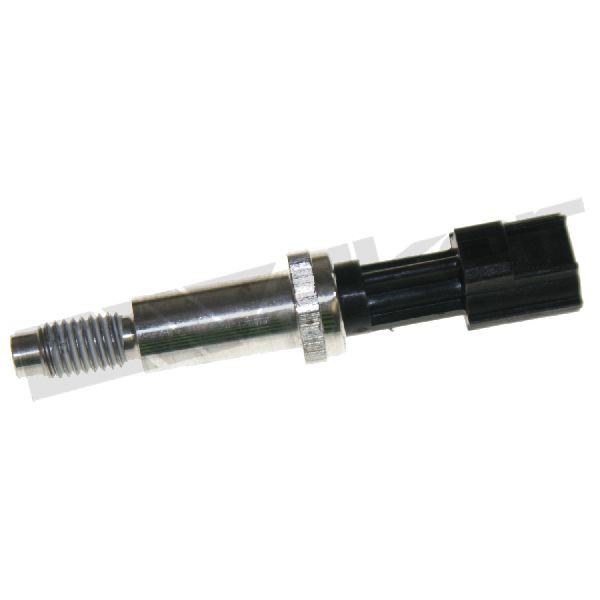
Many Ford Focus models from 2001 to 2007 use a Cylinder Head Temperature (CHT) sensor instead of a regular Engine Coolant Temperature (ECT) sensor. This is a key difference. The CHT sensor is a "dry" sensor, meaning it screws directly into the cylinder head to read the metal's temperature. This allows the engine's computer to know how hot the engine is, even if there's no coolant left. If the sensor detects a dangerous temperature, it can activate a "fail-safe cooling" mode. This mode may shut down some engine cylinders and limit power to protect the engine from melting down.
Symptoms of a Failing CHT Sensor

When a CHT sensor goes bad, it can cause a variety of confusing problems. Because the computer relies on this sensor for critical information, a bad signal can make the car behave erratically. Here are the most common signs to watch for:
- Check Engine Light: A failing CHT sensor will almost always trigger a Check Engine Light. Common trouble codes include P1289 (CHT Sensor Signal High) and P1299 (Cylinder Head Over-Temperature Protection Active).
- Erratic Temperature Gauge: The temperature gauge on your dashboard might swing from cold to hot, or stop working altogether.
- Cooling Fans Always On: The computer may default to running the cooling fans at full speed constantly to be safe, even when the engine is cold.
- Poor Engine Performance: You might experience rough idling, decreased power, and poor fuel economy because the computer can't set the right fuel mixture or timing.
- A/C Not Working: The computer may disable the air conditioning system when it thinks the engine is overheating.
P1299: A Critical Warning
If you get a P1299 code, it means the computer believes the engine is dangerously hot. You should pull over as soon as it is safe and turn off the engine to let it cool. Continuing to drive could cause severe engine damage. While the code could be triggered by a faulty sensor, it could also indicate a real overheating problem like low coolant or a bad water pump. Always investigate the cause before continuing to drive.
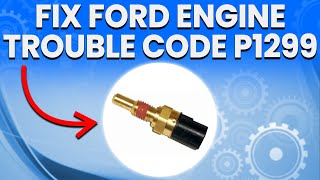
🎬 Watch: How to fix the P1299 overtemperature protection code.Choosing the Right Aftermarket CHT Sensor

When it's time to replace your CHT sensor, you have a few options. While the original Motorcraft part is always a good choice, quality aftermarket brands offer a reliable and more affordable alternative. For this specific part, both Standard Ignition and Walker Products are established names in the aftermarket industry.
- Standard Ignition (SMP): A well-regarded brand known for producing quality electronic components that often meet or exceed original specifications.
- Walker Products: Another reputable manufacturer that produces a wide range of engine management sensors, engineered to be direct-fit replacements.
For a critical sensor like the CHT, it's important to choose a part from a known brand. Cheaper, no-name sensors can have poor accuracy and a short lifespan, leading you to do the job all over again. Both Standard and Walker are solid choices for the 2001-2007 Focus.
Cost Comparison
| Part Type | Estimated Cost |
|---|---|
| New OEM (Motorcraft) | $35 - $55 |
| New Aftermarket (Standard, Walker) | $25 - $31 |
| Shop Labor | $95 - $150 |
A Note on Installation
On the 2.0L Zetec engine, the CHT sensor is located between the spark plugs for cylinders 2 and 3, under the ignition coil pack. It can be difficult to reach. You will need a special extra-deep 19mm socket to remove and install it. Also, inspect the plastic electrical connector. They can become brittle with age and break during removal. Replacement connectors (pigtails) are available if needed.
Frequently Asked Questions (FAQ)

What's the difference between a CHT sensor and a regular coolant temp sensor?
A CHT sensor measures the temperature of the engine's metal cylinder head, while a coolant temperature sensor (ECT) measures the temperature of the coolant fluid. The CHT system on the Focus provides a more direct reading of engine temperature and can still function even if all coolant is lost.
Can I drive with a bad CHT sensor?
It is not recommended. A bad sensor can cause the engine to run poorly and may prevent you from knowing if the engine is truly overheating. If the computer triggers fail-safe mode (P1299), power will be severely limited, and you should stop the vehicle as soon as possible to prevent damage.
Where is the CHT sensor located on my 2001-2007 Focus?
On the common 2.0L Zetec engine, the sensor is located on top of the cylinder head, between the middle two spark plug wells, and is often underneath the ignition coil bracket. Access can be tight, and removing the coil pack may be necessary. The location on the 2.3L Duratec engine is similar. Always disconnect the battery before starting this repair.
🎬 Check out this easy how-to video for replacing the sensor.Are there any recalls for the CHT sensor on the Ford Focus?
Searches of NHTSA data did not show any specific recalls for the CHT sensor itself on the 2001-2007 Ford Focus. However, there have been recalls on other Ford models for issues where a coolant level sensor was added as a remedy for potential overheating and cylinder head cracking.
Helpful Videos
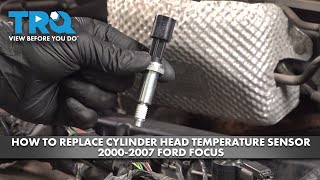


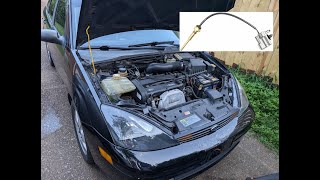
Technical Specifications
OEM Part Numbers: YS4Z-6G004-AB YS4Z-6G004-CC 1S7Z-6G004-AA
Location: Cylinder Head, between #2 and #3 spark plugs (2.0L Zetec). Required Tool: Deep 19mm socket.
We Have This Part in Stock


The information in this article is provided for general reference and educational purposes only. Vehicle specifications, procedures, and part compatibility can vary by production date, trim level, and region. Always consult your vehicle's factory service manual and verify part numbers before purchasing or performing repairs. Safety-critical components such as airbags, seat belts, and braking systems should be installed by a qualified professional.
- Ford Focus: