

A Ford Ranger Owner's Guide to Catalytic Converters (2001-2007)
Don't let a bad catalytic converter keep your 2001-2007 Ford Ranger off the road or fail its emissions test.
- Always diagnose and fix the root cause (like misfires or bad O2 sensors) before replacing a catalytic converter to prevent repeat failure.
- Physically inspect your Ranger to confirm how many converters it has and which ones need replacement before ordering parts.
- You must purchase a converter that is legal for your state; check if you need a Federal EPA or a more expensive CARB-compliant part.
- For a vehicle of this age, a quality aftermarket brand like MagnaFlow or Walker offers the best balance of price and reliability.
Is My Ranger's Catalytic Converter Failing?

A failing catalytic converter will give you clear signs. Ignoring them can lead to bigger problems, like engine damage from excessive exhaust backpressure. If you notice any of these symptoms, it's time to inspect your exhaust system.
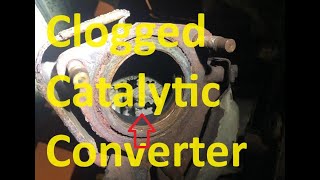
🎬 Watch: A visual guide to symptoms of a clogged converter.Common Failure Symptoms:
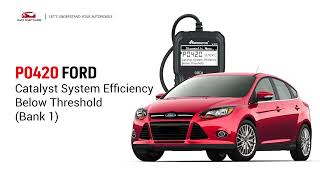
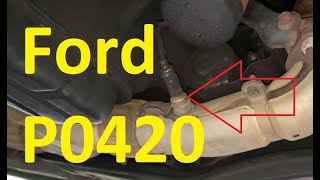
- Check Engine Light: The most common sign is a check engine light with codes P0420 or P0430, which point to "catalyst efficiency below threshold." 🎬 See this breakdown of P0420 causes and potential fixes.
- Loss of Power: Your truck may feel sluggish, especially when accelerating or climbing hills. A clogged converter restricts exhaust flow, choking the engine.
- Rotten Egg Smell: A strong sulfur smell from the exhaust indicates the converter isn't properly processing unburned fuel.
- Rattling Noise: If you hear a rattling or clanking sound from under the truck, the ceramic honeycomb inside the converter may have broken apart.
- Reduced Fuel Economy: When your engine can't breathe out, it works harder and burns more fuel.
Find the Root Cause Before Replacement
Catalytic converters don't just fail on their own. They are almost always killed by another problem. The number one cause of converter failure is an engine misfire that dumps raw, unburned fuel into the exhaust, which then superheats and melts the converter's internal structure. Before you spend money on a new converter, you MUST fix the original problem. Common causes include:
- Bad spark plugs or ignition coils
- Faulty oxygen (O2) sensors
- Leaking fuel injectors
- Engine oil or coolant leaks burning in the exhaust
Replacing the converter without fixing the source of the problem will cause the new converter to fail quickly.
Choosing the Right Aftermarket Converter for Your Ranger

For a 2001-2007 Ford Ranger, the original OEM converters are extremely expensive and often unnecessary for a vehicle of this age. A quality aftermarket converter is the most practical and cost-effective solution. Aftermarket brands can be grouped into tiers based on quality and price.
Brand Quality Tiers
- Premium / Performance (Higher Price): Brands like MagnaFlow are known for high-quality construction, often using stainless steel, and sometimes offering better exhaust flow than stock. They are a top choice for owners looking for longevity and performance.
- Standard / OEM-Style (Mid-Range Price): Walker Exhaust is a widely trusted brand in repair shops, known for producing reliable, direct-fit parts that meet OEM specifications without the high OEM price tag. AP Exhaust also fits into this category as a solid replacement option.
- Economy (Lower Price): Brands like Eastern Catalytic, Davico, and BRExhaust offer a budget-friendly way to get your truck back on the road and pass emissions. While they are functional, they may use lighter-gauge materials and may not have the same lifespan as premium brands.
Federal EPA vs. CARB: A Critical Choice
You must buy a converter that is legal in your state. Most states use the Federal EPA standard. However, states like California, Colorado, New York, and Maine require parts that meet the stricter California Air Resources Board (CARB) standards. CARB-compliant converters are more expensive because they contain more precious metals. Installing a non-CARB part in a CARB state will result in a failed inspection. Always check your local laws before purchasing.
Ford Ranger Catalytic Converter Costs
The cost can vary widely based on the brand you choose and how many converters your specific truck needs.
| Part Type | Estimated Cost |
|---|---|
| New Aftermarket (Federal EPA) | $75 - $500 per converter |
| New Aftermarket (CARB-Compliant) | $400 - $1200+ per converter |
| Shop Labor | $200 - $600 |
Frequently Asked Questions (FAQ)

How many catalytic converters does my 2001-2007 Ranger have?
It depends on your engine and emissions system. Most V6 models (3.0L and 4.0L) have a complex system with two smaller pre-cats attached to the exhaust manifolds and one or two larger main converters downstream. The 4-cylinder 2.3L models often have a simpler setup. It is essential to inspect your vehicle to confirm exactly which parts need replacement before ordering.
Can I just clean my clogged catalytic converter?
Generally, no. While some fuel additives claim to clean converters, they are not effective for a converter that is physically clogged, melted, or broken inside. Once a converter has failed, replacement is the only reliable solution.
Will an aftermarket converter last as long as the original?
An OEM converter is designed to last a very long time, but a high-quality aftermarket part from a brand like MagnaFlow or Walker can provide many years of reliable service, especially if the root cause of the original failure is fixed. Cheaper economy converters may have a shorter lifespan.
Is replacing the converter a DIY job?
It can be, but it's often challenging. The job is a bolt-on process, but after years of heat cycles and exposure to the elements, the bolts and nuts will be extremely rusty and difficult to remove. It often requires cutting tools, penetrating oil, and a lot of patience. If you're not comfortable working with rusted exhaust parts, it's a job best left to a professional.
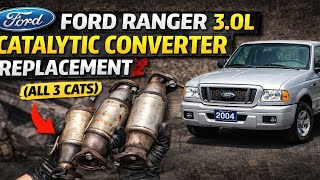
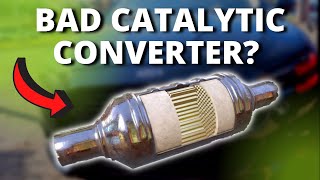
🎬 Watch: This DIY walkthrough shows how to replace the converter.Helpful Videos
Technical Specifications
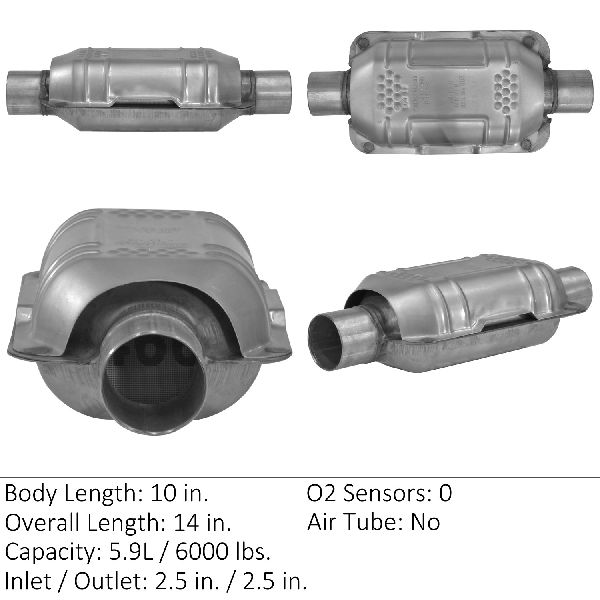
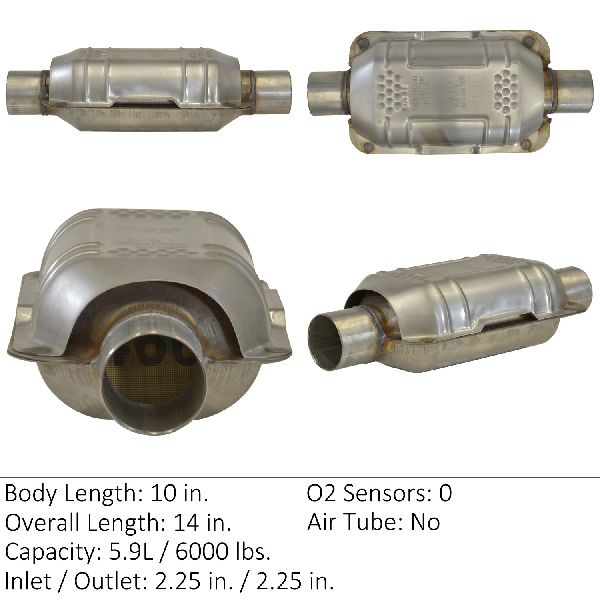
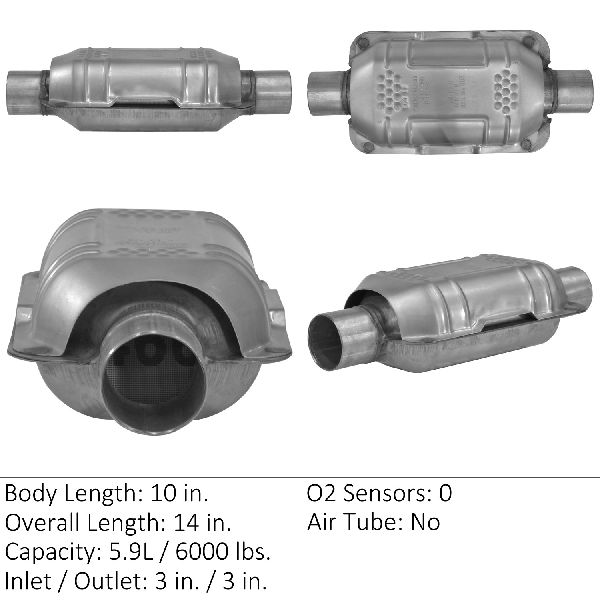
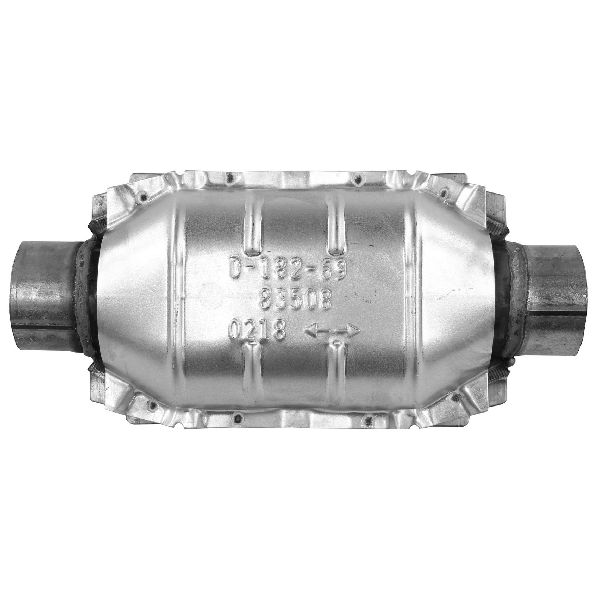
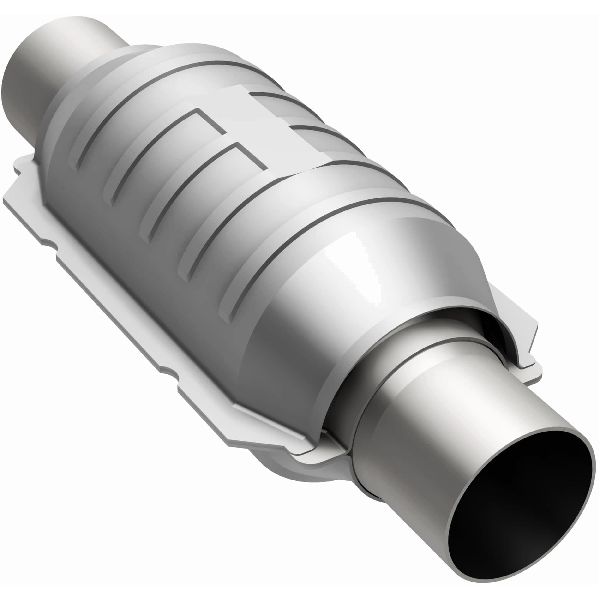
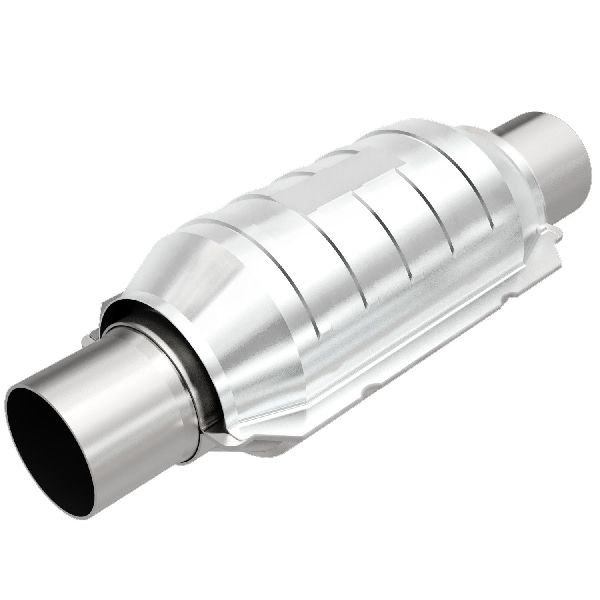
The correct catalytic converter is determined by your vehicle's model year, engine size (2.3L, 3.0L, or 4.0L), and required emissions compliance (Federal EPA or CARB). Direct-fit units are recommended over universal ones for easier installation.
We Have This Part in Stock

The information in this article is provided for general reference and educational purposes only. Vehicle specifications, procedures, and part compatibility can vary by production date, trim level, and region. Always consult your vehicle's factory service manual and verify part numbers before purchasing or performing repairs. Safety-critical components such as airbags, seat belts, and braking systems should be installed by a qualified professional.
- Ford Ranger:
- 🎬 Helpful Videos
- 🛍️ Shop This Part
- Is My Ranger's Catalytic Converter Failing?
- Common Failure Symptoms:
- Find the Root Cause Before Replacement
- Choosing the Right Aftermarket Converter for Your Ranger
- Brand Quality Tiers
- Federal EPA vs. CARB: A Critical Choice
- Ford Ranger Catalytic Converter Costs
- Frequently Asked Questions (FAQ)
- 🎟️ Get 5% Off