

A Mechanic's Guide to 2001-2007 Ford Taurus Brake Calipers
If your Taurus pulls to one side or has a burning smell from the wheels, a sticking brake caliper is the most likely cause.
- Sticking or seizing is the most common failure for 2001-2007 Taurus calipers, often due to frozen slide pins.
- Always replace calipers in pairs (both front or both rear) to ensure even braking.
- Buy a 'semi-loaded' caliper that includes the mounting bracket and new slide pins to address the most common point of failure.
- Brake bleeding is required after replacement; air in the lines will lead to a spongy pedal and unsafe braking.
Is Your Taurus Pulling or Smelling Hot?
The most common brake problem on the 2001-2007 Ford Taurus isn't always the pads or rotors—it's a failing brake caliper. Over time, the caliper's piston or, more frequently, its slide pins can seize up due to rust and debris. When this happens, the caliper can't release its grip on the brake rotor after you let go of the pedal. This is known as a sticking or seized caliper.
Symptoms of a Failing Brake Caliper
- Vehicle Pulling: The car pulls to the left or right when you brake, or even when driving straight.
- Burning Smell: A strong, acrid smell from a wheel after driving, caused by the constant friction of the brake pad on the rotor.
- Smoke: In severe cases, you may see smoke coming from the wheel area.
- Uneven Brake Pad Wear: When you inspect the brakes, the pads on one side will be much more worn than the other.
- Spongy or Soft Brake Pedal: This can happen if a caliper seal fails and leaks brake fluid.
- Grinding or Squealing Noises: A stuck caliper can cause the brake pads to wear down completely, leading to metal-on-metal grinding.
Check Your Brake Hoses
Sometimes, a failing flexible rubber brake hose can collapse internally. This acts like a one-way valve, trapping hydraulic pressure and causing the caliper to stick. If you've had recurring issues with a sticking caliper, the brake hose could be the real problem.
Choosing the Right Aftermarket Caliper
For a vehicle like the fourth-generation Taurus, aftermarket calipers offer excellent value. They are widely available as either "New" or "Remanufactured." Remanufactured calipers are original units that have been rebuilt with new seals and pistons, while new calipers are made entirely from new materials. While remanufactured quality can sometimes be inconsistent, reputable brands offer reliable options for this car.
Pro Tip: Always Buy "Semi-Loaded" Calipers
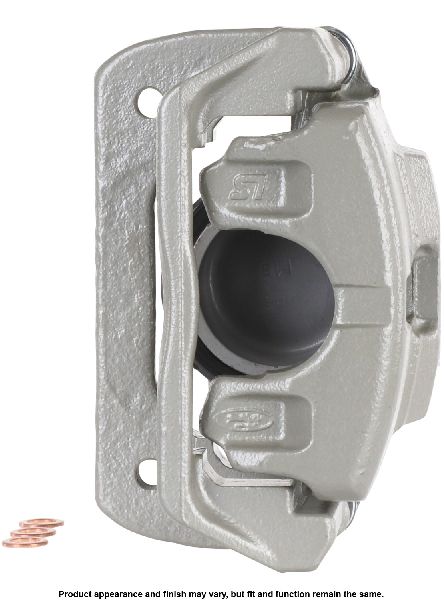
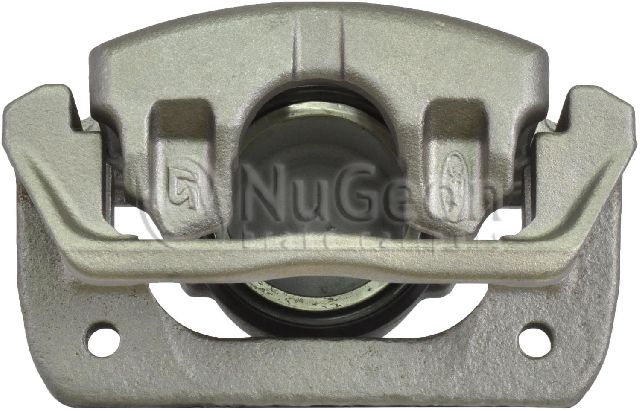
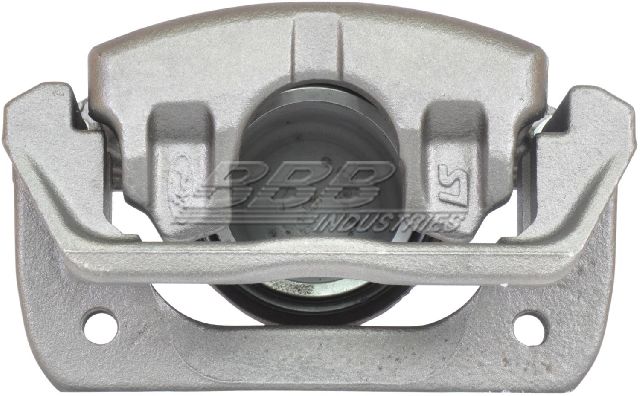
Aftermarket calipers are sold in two main ways: "unloaded" (the caliper by itself) or "semi-loaded" (caliper with the mounting bracket and new slide pins). Since sticking slide pins are a primary failure point on the Taurus, it is highly recommended to buy the semi-loaded version. This ensures you are replacing all the common wear components at once.
Aftermarket Brand Tiers for Your Taurus
The brands available offer a range of quality and features. Here’s how they generally stack up for your Taurus:
- Premium / Upgrade Brands (Powerstop, Raybestos): Powerstop calipers are often powder-coated for corrosion resistance and are considered a performance upgrade. Raybestos is a long-standing, trusted name in brakes, offering high-quality new and remanufactured options that are considered a top-tier replacement.
- Standard Daily-Driver Brands (Centric, Dynamic Friction): Centric is well-regarded for providing good quality and value, especially for their remanufactured calipers. They are a reliable choice for a daily-driven Taurus. Dynamic Friction is another solid brand known for quality parts.
- Economy Brands (Cardone, BBB Industries): These brands are major suppliers of remanufactured parts and are often the most budget-friendly. While many have no issues, forum discussions sometimes mention inconsistent quality control. They can be a viable option if you're on a tight budget, but inspect the part carefully before installation.
| Item | Estimated Cost |
|---|---|
| New Aftermarket Caliper (Semi-Loaded) | $47.23 - $154.07 per caliper |
| Shop Labor (Per Caliper) | $120 - $252 |
| Total Professional Replacement (Per Caliper) | $167 - $406 |
Frequently Asked Questions
Should I replace brake calipers in pairs?
Yes. It is always recommended to replace calipers in pairs (both front or both rear). This ensures even braking performance and prevents the car from pulling to one side. An old caliper will not react the same as a new one.
What is a "core charge"?
Most remanufactured calipers have a "core charge," which is a deposit you pay when you buy the part. You get this deposit back when you return your old, worn-out caliper to the store. This is how remanufacturers get a supply of old parts to rebuild.
Why is replacing a rear caliper on a Taurus more difficult?
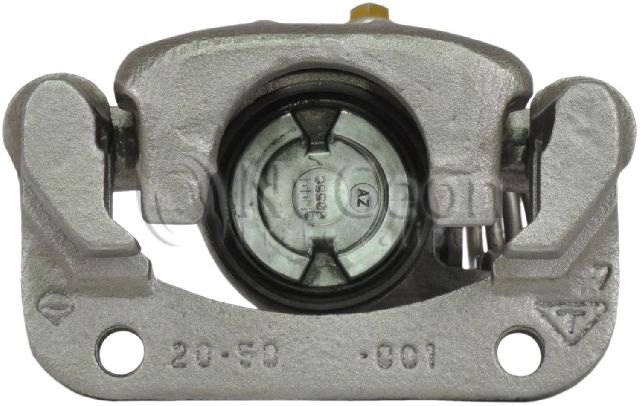
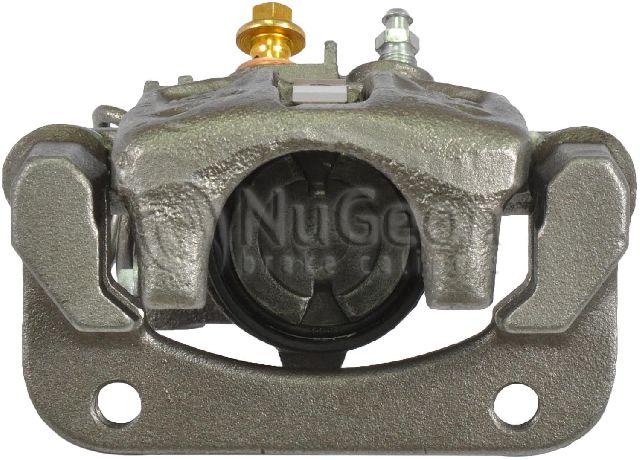
The rear calipers on most 2001-2007 Taurus models incorporate the parking brake mechanism. To retract the piston, you must turn it clockwise while applying pressure, which requires a special disc brake tool. Front caliper pistons can simply be pushed straight back in with a C-clamp.
Do I need to bleed the brakes after replacing a caliper?
Yes, absolutely. Replacing a caliper involves opening the hydraulic brake system. Air will get into the lines, and it must be removed through a process called "bleeding the brakes." Failure to bleed the brakes will result in a spongy pedal and poor stopping power.
Technical Specifications
The 2001-2007 Ford Taurus uses single-piston floating calipers for both front and rear brakes. Rear calipers integrate a screw-type mechanism for the parking brake, requiring a special tool for piston retraction.
We Have This Part in Stock

The information in this article is provided for general reference and educational purposes only. Vehicle specifications, procedures, and part compatibility can vary by production date, trim level, and region. Always consult your vehicle's factory service manual and verify part numbers before purchasing or performing repairs. Safety-critical components such as airbags, seat belts, and braking systems should be installed by a qualified professional.
- Ford Taurus: