

A Deep Dive into the Engine Oil Pressure Switch for the 2001-2007 Hyundai Santa Fe
That dashboard oil light is trying to tell you something important; here's how to fix it right.
- Always check the engine oil level first if the oil light comes on.
- A leaking switch is a common failure and should be replaced immediately.
- Aftermarket switches from reputable brands like Standard Ignition or Hella are reliable and cost-effective alternatives to OEM.
- Replacement is a simple, beginner-friendly DIY task that requires basic tools.
Is Your Santa Fe's Oil Light Acting Strange?
The engine oil pressure switch is a common failure point on many vehicles, and the first-generation Hyundai Santa Fe is no exception. The most frequent issue is an oil leak directly from the switch itself. Over time, the internal seals break down, allowing oil to seep out. This can cause a mess in your engine bay and on your driveway. Another common problem is internal failure, which leads to an incorrect signal being sent. This can make your oil light flicker, stay on even when the oil level is fine, or fail to illuminate at all.
First Things First: Check Your Oil!
Before you assume the switch is bad, always check your engine oil level with the dipstick. A flickering or illuminated oil light is the primary warning for low oil level, which is a much more serious and immediate threat to your engine. If the oil level is low, top it off and check for leaks. If the oil level is correct, the problem is likely the switch or, less commonly, a failing oil pump.
Symptoms of a Failing Oil Pressure Switch
- Flickering Oil Light: The oil light on your dash may flicker, especially at idle or when the engine warms up. 🎬 Watch: 7 common causes for a blinking oil light at idle. This can be caused by the switch failing internally or by an intermittent electrical connection.
- Oil Light Stays On: If the oil light remains illuminated even after you've confirmed the engine has the correct amount of oil, the switch is likely stuck in the "on" position.
- Visible Oil Leak: The switch itself can develop leaks. You may see oil on the sensor, its electrical connector, or dripping down the engine block. This is a very common failure mode.
- Oil Light Never Comes On: The oil light should briefly illuminate when you first turn the key to the "on" position as a system check. If it doesn't, the switch or the bulb may have failed.
Choosing the Right Aftermarket Switch
For a simple part like an oil pressure switch, an aftermarket replacement is a very practical and cost-effective choice. The original equipment (OEM) part from Hyundai is reliable, but you can get similar quality from reputable aftermarket brands for less money. The key is choosing a brand known for quality control, as the main failure points are the internal diaphragm and external seals.
Here's a breakdown of the available brands:
- Premium Aftermarket (Standard Ignition, Hella): Brands like Standard Motor Products (SMP) and Hella have a long-standing reputation for producing quality electronic components that often meet or exceed OEM specifications. They are known for robust testing and quality materials, making them a top choice for reliability.
- Standard Aftermarket (Facet, Holstein, True Tech): These brands offer a good balance of quality and price. They are generally considered reliable replacements for the original part. Holstein, for example, notes their parts are made in ISO-certified factories and have a low failure rate.
- Economy Aftermarket (Global Parts, Rostra Powertrain): These brands provide the most budget-friendly options. While they can be a good choice for a quick, inexpensive repair, their long-term durability may not match that of the premium or standard-tier brands.
Pro Tip: Check the Connector
When replacing the switch, especially if it was leaking, take a moment to clean the electrical connector with an appropriate electrical contact cleaner. Oil contamination in the connector can cause poor contact and lead to the same flickering light symptoms you were trying to fix.
Cost to Replace a Santa Fe Oil Pressure Switch
| Part/Service | Estimated Cost |
|---|---|
| New OEM Hyundai Switch | $38 - $54 |
| New Aftermarket Switch | $6.79 - $76.02 |
| Shop Labor | $97 - $142 |
| Total DIY Cost (Aftermarket) | $7 - $76 |
| Total Shop Cost (Aftermarket Part) | $104 - $218 |
Frequently Asked Questions
Can I replace the oil pressure switch myself?
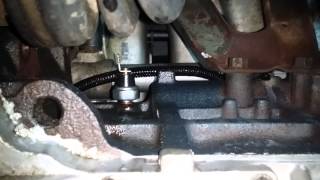
Yes, this is a very DIY-friendly job for most home mechanics. The switch is typically located on the engine block, often near the oil filter. 🎬 See this walkthrough for locating the switch on 2.4L engines. It usually requires only a deep socket (commonly 24mm) and a ratchet to replace. The job can often be completed in under 30 minutes.
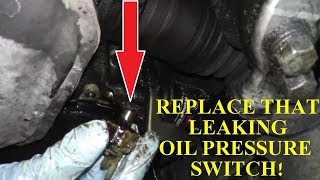
🎬 Watch: How to replace the switch using basic hand tools.What happens if I ignore a bad oil pressure switch?
Ignoring it is a gamble. If the switch is faulty and causing a false warning, it's an annoyance. However, if your switch fails to warn you of a genuine low oil pressure event, you could suffer complete engine failure, which is a multi-thousand dollar repair. For the low cost of the part, it's not worth the risk.
Is a more expensive aftermarket switch better?
Often, yes. Higher-priced aftermarket parts from brands like Standard Ignition or Hella typically use better materials and undergo more rigorous quality control. For a part this critical to engine safety, spending a few extra dollars for a trusted brand is a wise investment.
Are there any recalls for this part on my Santa Fe?
No, there are no specific recalls on the NHTSA database for the engine oil pressure switch for the 2001-2007 Hyundai Santa Fe. There was a service campaign (TSB 23-01-076H) for later 2007-2009 models regarding a valve cover oil leak that could damage the alternator, but this is a separate issue.
Helpful Videos

Technical Specifications
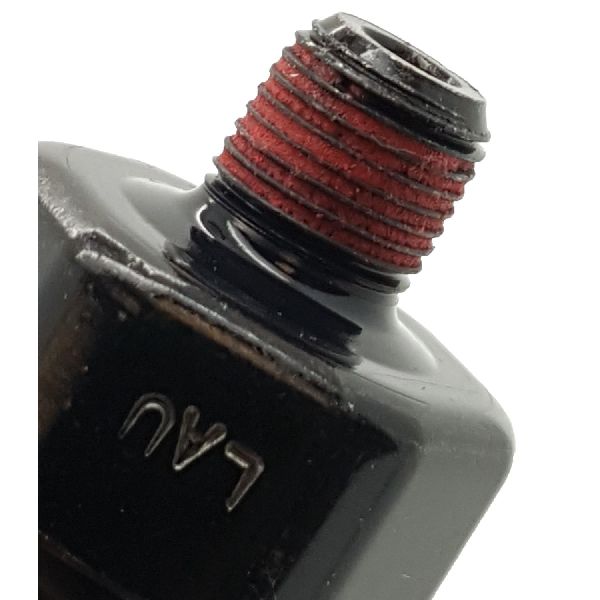
OEM Part Numbers: 94750-37100 94750-37000
Terminal Type: 1 Pin Blade Thread Size: Varies by engine, typically requires a 24mm deep socket for removal.
We Have This Part in Stock


The information in this article is provided for general reference and educational purposes only. Vehicle specifications, procedures, and part compatibility can vary by production date, trim level, and region. Always consult your vehicle's factory service manual and verify part numbers before purchasing or performing repairs. Safety-critical components such as airbags, seat belts, and braking systems should be installed by a qualified professional.
- Hyundai Santa Fe:
- 🎬 Helpful Videos
- 🛍️ Shop This Part
- Is Your Santa Fe's Oil Light Acting Strange?
- First Things First: Check Your Oil!
- Symptoms of a Failing Oil Pressure Switch
- Choosing the Right Aftermarket Switch
- Pro Tip: Check the Connector
- Cost to Replace a Santa Fe Oil Pressure Switch
- Frequently Asked Questions
- 🎟️ Get 5% Off