

A Practical Guide to the Starter on Your 2001-2007 Hyundai Santa Fe
If your Santa Fe clicks but won't start, or cranks slowly, your starter might be the problem.
- Always test your battery before replacing the starter, as symptoms can be identical.
- On V6 models, the starter is easily accessible from underneath the front of the vehicle, making it a good DIY job.
- For an OEM-spec replacement, choose the Mando brand, as they were the original supplier for Hyundai.
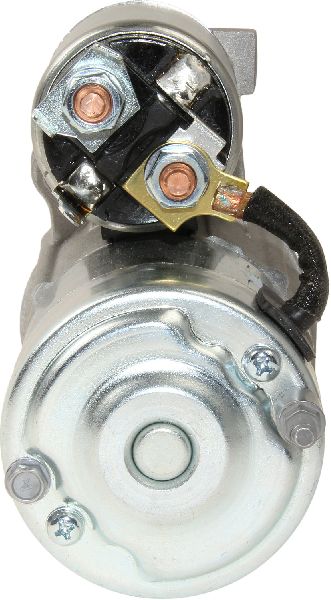
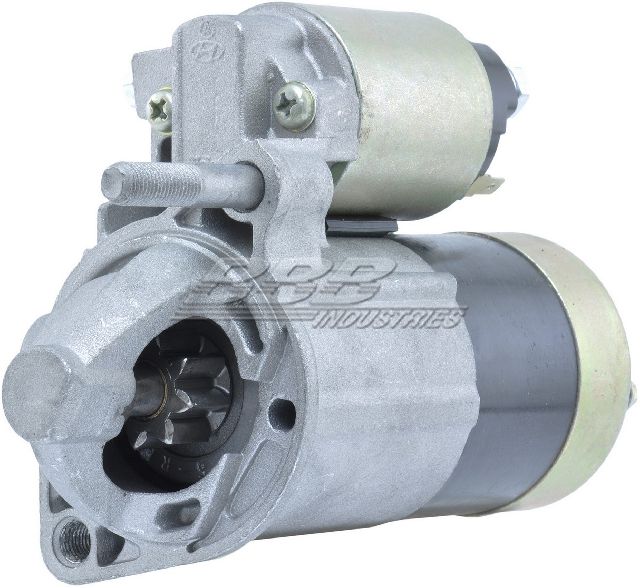
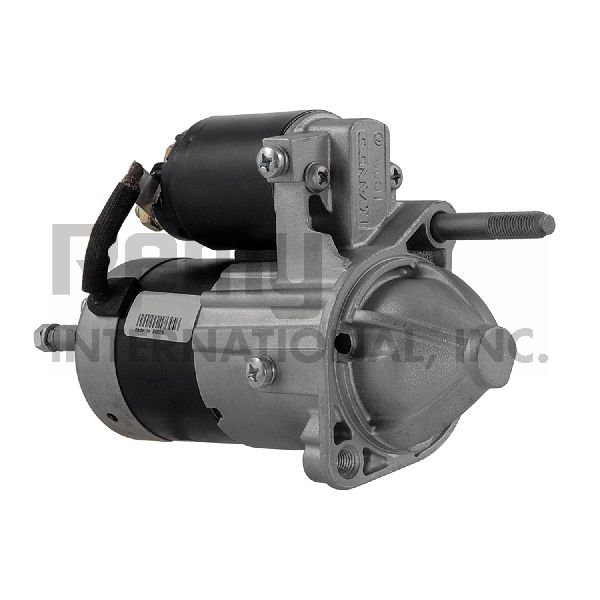
- Remember to transfer the top mounting stud from your old starter to the new one.
Is Your Santa Fe's Starter Failing?
A bad starter can leave you stranded. Before it fails completely, it usually gives a few warning signs. One of the most common issues for a first-generation Santa Fe is a single, loud 'click' when you turn the key, with nothing else happening. This often means the starter solenoid is trying to work but the motor itself won't turn. Don't ignore these symptoms, as they rarely fix themselves.
Common Symptoms of a Bad Starter:
- Single Loud Click: You turn the key, hear one click from the engine bay, but the engine doesn't crank.
- Slow Engine Crank: The engine turns over much more slowly than usual, as if the battery is weak, but the battery tests fine.
- Grinding Noise: A harsh grinding sound when you try to start the engine can mean the starter gear is not engaging properly or is damaged.
- No Sound at All: If your battery is good and the dashboard lights come on, but you hear nothing when turning the key, the starter may have completely failed.
- Intermittent Starting: The car starts perfectly one day but refuses to crank the next. This can be a sign of a developing electrical issue inside the starter.
- Smoke or Burning Smell: This is a serious sign that the starter is overheating from a short circuit or being stuck on. Stop trying to start the vehicle immediately.
Check Your Battery First!
Many starter problems have the same symptoms as a weak or dead battery. Before you buy a new starter, make sure your battery is fully charged and the terminals are clean and tight. Most auto parts stores will test your battery for free.
Choosing the Right Aftermarket Starter
When replacing the starter on your Santa Fe, you have several good aftermarket options. They generally fall into three quality tiers.
Tier 1: OEM Equivalent
These brands are the original equipment manufacturers for Hyundai. Choosing one of these is like getting a dealer part without the dealer price.
- Mando: Mando is a primary OE supplier for Hyundai and Kia. A Mando starter is often the exact same part that was installed in your Santa Fe at the factory, ensuring perfect fit and function.
- Valeo: Another well-respected OEM supplier for many car brands, including Hyundai. Valeo parts are known for their high quality and reliability.
Tier 2: Premium Aftermarket
These brands are famous in the auto parts world for producing high-quality components that often meet or exceed OEM specifications.
- Bosch: A German company with a stellar reputation for electrical parts. A Bosch starter is a very safe and reliable bet.
- Denso: A top-tier Japanese OE supplier for brands like Toyota and Honda. Denso starters are known for their durability and performance.
Tier 3: Standard Aftermarket
These brands offer a great balance of quality and value, making them a popular choice for budget-conscious repairs.
- WAI Global: A large global supplier of rotating electrical parts that offers reliable, new-manufacture starters.
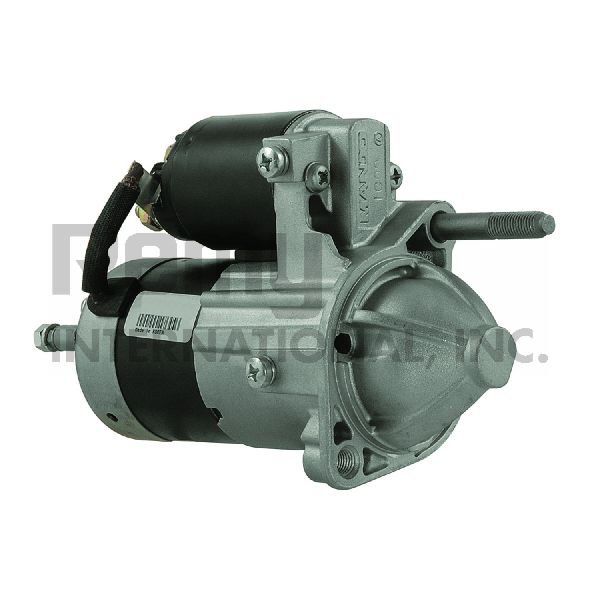
- Remy: A long-standing brand in the aftermarket with a reputation for producing dependable starters and alternators.
- BBB Industries: A major supplier of new and remanufactured parts to the aftermarket, offering a cost-effective solution.
Pro Tip: New vs. Remanufactured
All the brands listed are available as new parts, which is the recommended choice. While remanufactured starters can save money, their quality can vary. A new starter from a reputable brand provides the most peace of mind.
How Much Does a New Starter Cost for a 2001-2007 Santa Fe?
The cost can be broken down into parts and labor. While you can save significantly by doing it yourself, here is a general breakdown of what to expect.
| Item | Estimated Cost |
|---|---|
| New Aftermarket Starter | $96 - $221 |
| Professional Labor | $110 - $160 |
| Total Professional Installation | $206 - $381 |
Frequently Asked Questions
Where is the starter located on the 2001-2007 Santa Fe?
On the V6 engine models (2.7L and 3.5L), the starter is relatively easy to access. It is located at the front of the engine near the bottom, just behind the exhaust pipe and oil filter. It is held on by two bolts and has a small heat shield covering it.
Do I need to transfer a stud from my old starter?
Yes, this is a common step. The top mounting hole on the starter uses a stud with a nut, while the bottom uses a bolt. Most new aftermarket starters do not come with this stud, so you will need to remove it from your old starter and install it on the new one before mounting it.
Is this a difficult job to do myself?
For most V6 models, this is a very DIY-friendly job. You will need to safely raise the front of the vehicle and work from underneath. The main tools required are a ratchet with 12mm and 14mm sockets. The entire job can typically be done in 1-2 hours.
Are there any recalls for the starter on my Santa Fe?
No, there are no active recalls or widespread Technical Service Bulletins (TSBs) for starter failure on the 2001-2007 Hyundai Santa Fe. Later model years have had starter-related recalls, but they do not apply to the first generation.
Technical Specifications
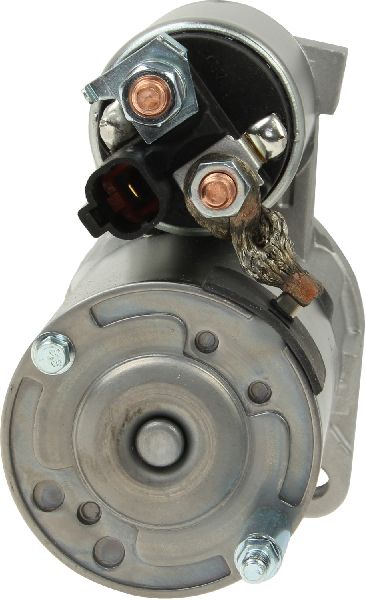
OEM Part Numbers: 36100-37210 36100-37210RU
Voltage: 12V, Power: 1.2kW, Rotation: Clockwise, Teeth: 8, Design: PMGR (Permanent Magnet Gear Reduction)
We Have This Part in Stock

The information in this article is provided for general reference and educational purposes only. Vehicle specifications, procedures, and part compatibility can vary by production date, trim level, and region. Always consult your vehicle's factory service manual and verify part numbers before purchasing or performing repairs. Safety-critical components such as airbags, seat belts, and braking systems should be installed by a qualified professional.
- Hyundai Santa Fe:
- 🛍️ Shop This Part
- Is Your Santa Fe's Starter Failing?
- Common Symptoms of a Bad Starter:
- Check Your Battery First!
- Choosing the Right Aftermarket Starter
- Tier 1: OEM Equivalent
- Tier 2: Premium Aftermarket
- Tier 3: Standard Aftermarket
- Pro Tip: New vs. Remanufactured
- How Much Does a New Starter Cost for a 2001-2007 Santa Fe?
- Frequently Asked Questions
- 🎟️ Get 5% Off