

A Guide to Replacing Oxygen Sensors on Your 2001-2007 Kia Optima
Fix your check engine light and poor gas mileage by choosing the right oxygen sensor for your Optima's engine.
- Verify your engine size (2.4L I4 or 2.7L V6) to determine if you need two or four sensors.
- Choose a direct-fit sensor from a reputable brand like Denso or NGK/NTK for the best results.
- Replace a failing oxygen sensor promptly to prevent poor fuel economy and costly damage to your catalytic converter.
- A special oxygen sensor socket is highly recommended for DIY replacement to avoid damaging the part.
Is Your Kia Optima's Oxygen Sensor Failing?

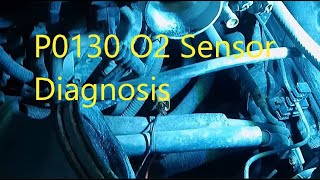
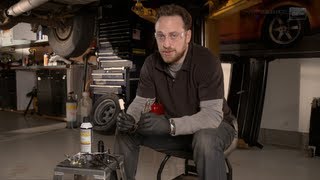
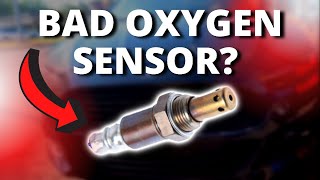
A bad oxygen sensor is a common reason for the check engine light to come on 🎬 See how to test and diagnose an O2 sensor code in a 2001-2007 Kia Optima. When a sensor fails, the engine's computer can't properly adjust the air-fuel mixture. This leads to noticeable problems. You might see a significant drop in your gas mileage, experience a rough idle, or feel the engine hesitate when you accelerate. 🎬 Watch: A quick guide to common bad oxygen sensor symptoms In some cases, you may even smell a 'rotten egg' or sulfur odor from the exhaust, which is a sign the catalytic converter is being overworked.
Don't Ignore a Bad O2 Sensor
While you can drive with a failing oxygen sensor, it's not recommended. Continuing to drive will cause poor fuel economy and performance. More importantly, it can lead to the failure of your catalytic converter, a much more expensive part to replace.
How Many O2 Sensors Does My 2001-2007 Optima Have?

The number of sensors depends on your engine. It's crucial to identify your engine before ordering parts.
- 2.4L 4-Cylinder Engine: Your Optima has two oxygen sensors.
- One Upstream sensor (also called Bank 1, Sensor 1) located on the exhaust manifold before the catalytic converter.
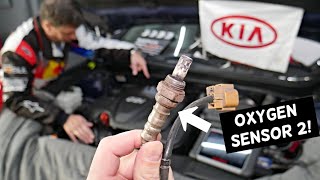
- One Downstream sensor (also called Bank 1, Sensor 2) located after the catalytic converter. 🎬 Watch: How to find and replace the downstream oxygen sensor
- 2.5L or 2.7L V6 Engine: Your Optima has four oxygen sensors.
- Two Upstream sensors (Bank 1, Sensor 1 and Bank 2, Sensor 1), one for each side of the V-shaped engine.
- Two Downstream sensors (Bank 1, Sensor 2 and Bank 2, Sensor 2), one for each catalytic converter.
Pro Tip: Upstream sensors control the air-fuel mixture, while downstream sensors monitor the catalytic converter's efficiency. They are not interchangeable. Always confirm the correct location (e.g., Upstream, Downstream, Bank 1, Bank 2) before purchasing.
Choosing the Right Aftermarket Oxygen Sensor

For a vehicle like the Kia Optima, sticking with brands known for their quality and compatibility is your best bet. While many brands are available, they generally fall into a few quality tiers.
- Tier 1 (OEM-Equivalent): Denso & NGK/NTK. These brands are often the original equipment manufacturers for Kia. They are widely recommended by mechanics for providing the best performance and longevity, making them a top choice for a reliable repair.
- Tier 2 (Quality Aftermarket): Bosch & Delphi. Bosch is a pioneer in oxygen sensor technology and a huge name in auto parts. While generally very reliable, some professional mechanics and owners prefer to stick with Denso or NTK for Asian vehicles to ensure perfect compatibility.
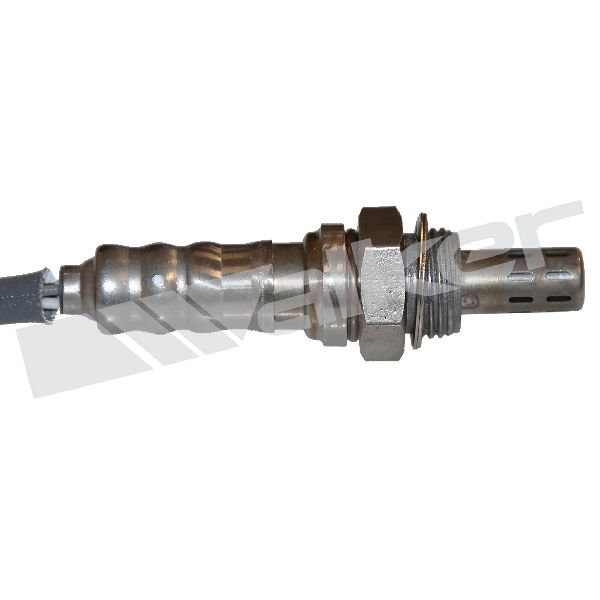
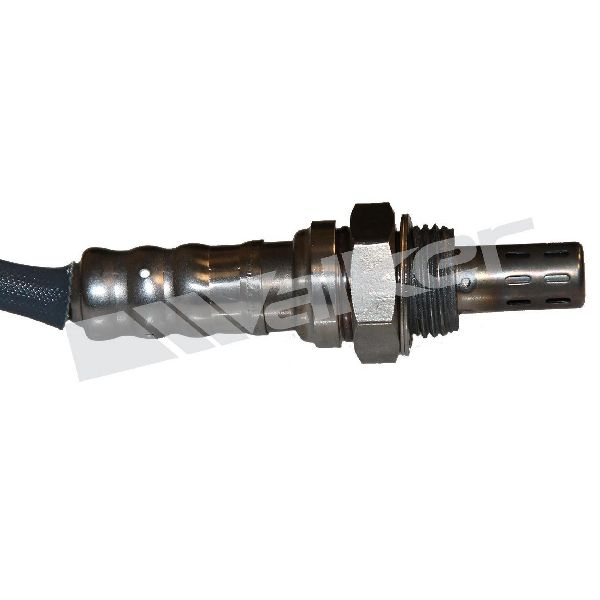
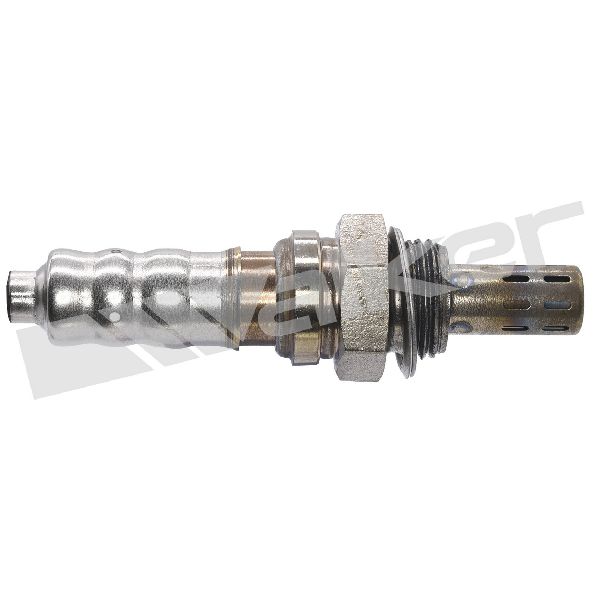
- Tier 3 (Budget-Friendly): Walker Products, DriveWire, Spectra. These brands offer a more affordable price point. They can be a good option for a budget-conscious repair, but be aware that some users report a higher chance of issues or a shorter lifespan compared to premium brands.
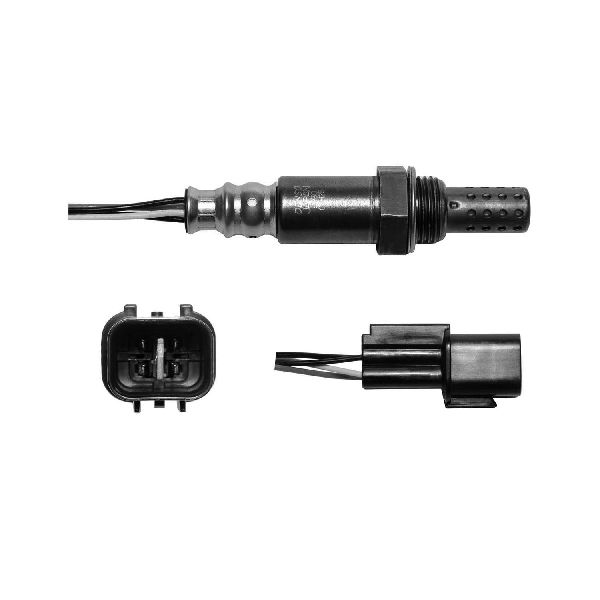
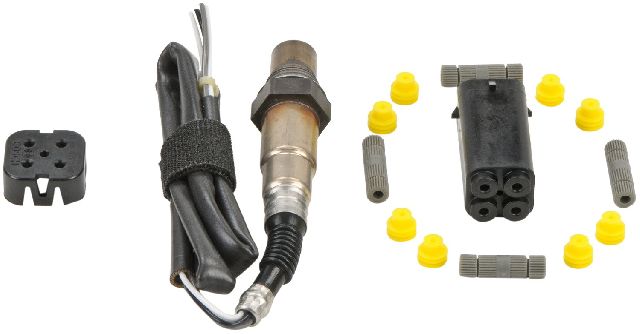
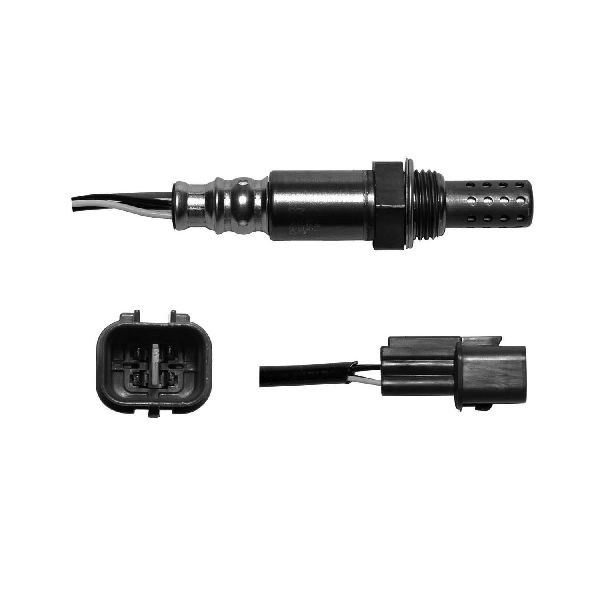
Always choose a direct-fit sensor. These come with the correct electrical connector for your Optima, making installation a simple plug-and-play process. Universal sensors, which require you to cut and splice wires, are not recommended as they add extra steps and potential points of failure.
Oxygen Sensor Replacement Cost for 2001-2007 Kia Optima
| Part / Service | Estimated Cost |
|---|---|
| New Aftermarket Oxygen Sensor | $25 - $238 |
| Shop Labor Cost | $60 - $150 per sensor |
Cost estimates are for a single sensor and can vary based on your location, vehicle engine, and the specific brand chosen.
Frequently Asked Questions

Can I clean my oxygen sensor instead of replacing it?
No, cleaning an oxygen sensor is not recommended. The sensing element is delicate, and attempts to clean it with solvents or brushes can cause permanent damage. Once a sensor fails, replacement is the only reliable solution.
Is this a difficult DIY job?
For most people with basic tools, this is a manageable job. The main challenge is often removing the old sensor, which can be seized in the exhaust pipe. Using a special oxygen sensor socket is highly recommended. Lightly warming up the exhaust and using penetrating oil can help loosen a stubborn sensor.
Were there any recalls for the oxygen sensors on this Optima?
No. Searches of the National Highway Traffic Safety Administration (NHTSA) database did not find any specific recalls or technical service bulletins (TSBs) for oxygen sensor failure on the 2001-2007 Kia Optima. Recalls for this period were related to other issues like subframe corrosion.
Why do some sensors cost $30 and others over $200?
The price difference comes down to brand reputation, materials, technology (e.g., wideband vs. narrowband), and whether it's a direct-fit or universal part. Premium brands like Denso and NGK/NTK invest heavily in research and use high-quality materials to match OEM performance, which is reflected in the price.
Helpful Videos
![Bad O2 Sensor Symptoms Downstream & Upstream [Oxygen Sensor Failure and Causes] How to fix & Replace](https://img.youtube.com/vi/b-xxdBlikSA/mqdefault.jpg)

Technical Specifications
OEM Part Numbers: 392102G200 392102G370
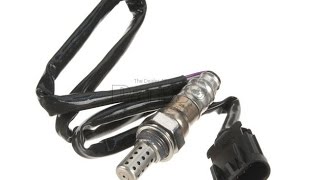
The 2001-2007 Kia Optima uses heated, 4-wire oxygen sensors with a thread size of M18x1.5. The specific sensor (upstream/downstream, bank 1/2) determines the wire length and connector shape.
We Have This Part in Stock

The information in this article is provided for general reference and educational purposes only. Vehicle specifications, procedures, and part compatibility can vary by production date, trim level, and region. Always consult your vehicle's factory service manual and verify part numbers before purchasing or performing repairs. Safety-critical components such as airbags, seat belts, and braking systems should be installed by a qualified professional.
- Kia Optima:
- 🎬 Helpful Videos
- 🛍️ Shop This Part
- Is Your Kia Optima's Oxygen Sensor Failing?
- Don't Ignore a Bad O2 Sensor
- How Many O2 Sensors Does My 2001-2007 Optima Have?
- Choosing the Right Aftermarket Oxygen Sensor
- Oxygen Sensor Replacement Cost for 2001-2007 Kia Optima
- Frequently Asked Questions
- 🎟️ Get 5% Off