

A Comprehensive Guide to the Serpentine Belt on Your 2001-2007 Kia Optima
Understand the signs of a failing serpentine belt and how to choose the right replacement for your specific Optima engine.
- A squealing noise is the primary warning sign of a failing serpentine belt.
- Always inspect the belt tensioner and idler pulleys when replacing the belt; they are a common point of failure.
- Premium aftermarket brands like Gates and Continental are excellent, reliable choices for this vehicle.
- Ensure you buy the correct belt for your engine, as the 2.4L 4-cylinder and 2.7L V6 use different parts.
Understanding Your Optima's Serpentine Belt
The serpentine belt is a crucial wear-and-tear component in your 2001-2007 Kia Optima. Unlike older cars that used multiple belts, your Optima uses a single, multi-ribbed "serpentine" belt to drive all the engine's accessories. This design is efficient but also means that a single belt failure can cause multiple systems to stop working at once, potentially leaving you stranded. Regular inspection is key to avoiding unexpected breakdowns.
Symptoms of a Failing Serpentine Belt
A worn serpentine belt will almost always give warning signs before it fails completely. Being attentive to these signs can save you from a much bigger headache down the road.
- Squealing or Chirping Noises: This is the most common symptom. A high-pitched squeal, especially when starting the engine or on cold, damp days, often points to a loose or worn belt.
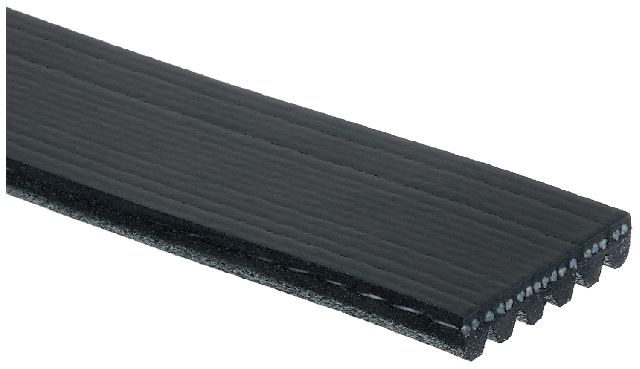
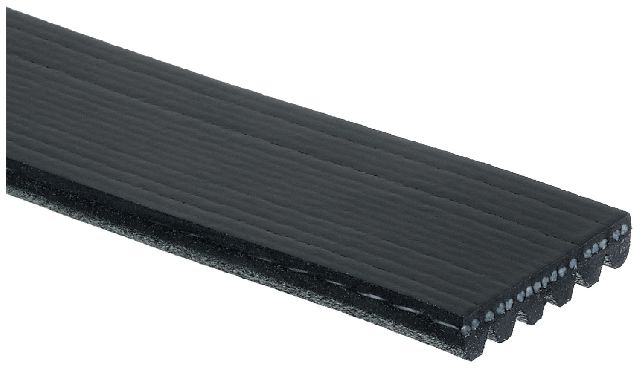
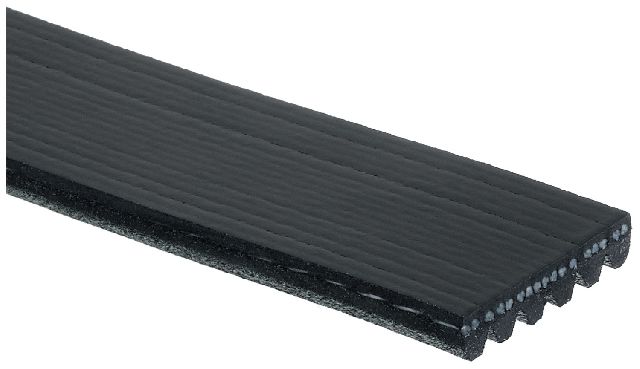
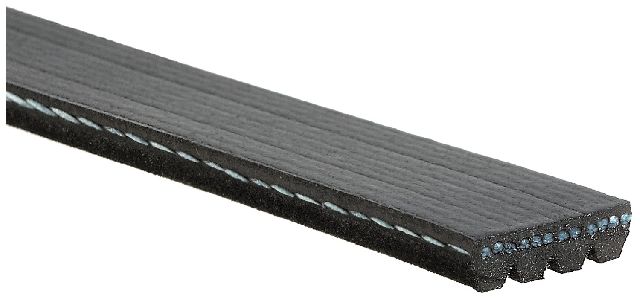
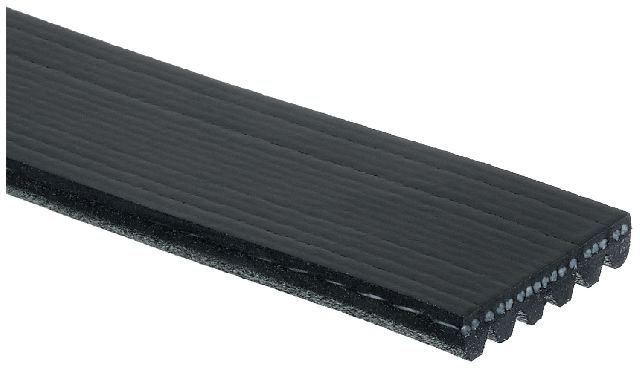
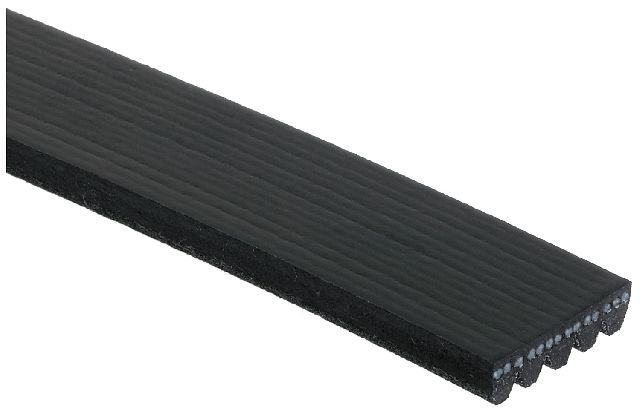
- Visible Wear and Tear: You can often see if a belt is nearing the end of its life. Look for cracks, fraying, missing ribs, or a glazed, shiny appearance on the belt's surface.
- Accessory Malfunctions: If your power steering becomes heavy, your A/C stops blowing cold, or your battery light comes on, the belt may be slipping or have already broken.
- Overheating Engine: The serpentine belt drives the water pump. If the belt fails, the water pump stops circulating coolant, and your engine will overheat very quickly.
A Note on Related Parts
Often, a failing belt is caused by a bad tensioner or idler pulley. These parts keep the belt tight. If you hear a grinding or buzzing noise, it's likely a bearing in one of these pulleys is failing. It is highly recommended to inspect the tensioner and pulleys when replacing the belt and replace them as a kit if they show any signs of wear or play.
Choosing the Right Aftermarket Serpentine Belt
For a vehicle like the 2001-2007 Optima, high-quality aftermarket belts often meet or exceed the original equipment (OEM) specifications. Brands like Gates and Continental are frequently OEM suppliers to many car manufacturers, so their aftermarket products are an excellent and reliable choice. You don't need to pay dealer prices for a quality belt.
Brand Quality Tiers
- Premium (Recommended): Gates and Continental are top-tier brands known for their durability and use of modern EPDM rubber compounds, which resist cracking and heat better than older materials. They are a trusted choice for reliability.
- Standard: Dayco is a well-established brand that offers a good balance of quality and price. It's a solid option for daily driving and is widely available.
- Economy: Brands like Skyward are typically entry-level, private-label products. While they are the most affordable, they may not offer the same longevity or noise-resistance as premium brands. They can be a suitable choice for a tight budget, but expect to inspect and replace them more frequently.
Check Your Engine
The 2001-2007 Kia Optima came with two main engine options: a 2.4L 4-cylinder and a 2.7L V6. These engines use different serpentine belts of varying lengths. Always confirm your engine size before purchasing to ensure you get the correct part.
Replacement Cost
The cost to replace the serpentine belt on a 2001-2007 Kia Optima is reasonable. The part itself is affordable, and the labor is straightforward for a mechanic.
| Item | Estimated Cost |
|---|---|
| New Aftermarket Serpentine Belt | $11 - $65 |
| Shop Labor | $85 - $125 |
| Total Professional Replacement | $148 - $193 |
Frequently Asked Questions
Can I drive my Optima with a broken serpentine belt?
No. If the belt breaks, the water pump will stop working, leading to rapid engine overheating and potential catastrophic damage. The alternator will also stop charging the battery, and you will lose power steering, making the car very difficult to control.
How often should the serpentine belt be replaced?
There is no strict interval, but a visual inspection at every oil change is recommended. As a general guideline, consider replacing the belt every 40,000 to 60,000 miles, or as soon as you notice any signs of cracking, fraying, or noise.
Is this a difficult DIY job?
For a mechanically inclined person with the right tools, this is a very feasible DIY job. It typically involves using a long-handled wrench or a specific tensioner tool to release the tension on the belt, slipping the old one off, and routing the new one according to the diagram (often found on a sticker in the engine bay). The difficulty is rated as low, taking less than an hour for most.
What's the difference between the belt for the 4-cylinder and V6 engines?
The belts are different lengths and may have a different number of ribs to accommodate the different pulley layouts of the 2.4L I4 and 2.7L V6 engines. You must use the specific belt designed for your engine for it to fit and function correctly.
Technical Specifications
OEM Part Numbers: 2521237101 2521237102 2521237181 2521237161 2521237160
Belt construction is typically EPDM rubber with polyester or aramid reinforcement cords. The length and rib count vary significantly between the 2.4L I4 and 2.7L V6 engines. For example, some 2.4L models use a 5-rib belt around 1385mm long, while V6 models may use a 6-rib belt closer to 2005mm long. Always verify the exact part number for your specific vehicle configuration.
We Have This Part in Stock

The information in this article is provided for general reference and educational purposes only. Vehicle specifications, procedures, and part compatibility can vary by production date, trim level, and region. Always consult your vehicle's factory service manual and verify part numbers before purchasing or performing repairs. Safety-critical components such as airbags, seat belts, and braking systems should be installed by a qualified professional.
- Kia Optima: