

A Guide to Replacing the Suspension Control Arm on Your 2001-2007 Kia Optima
Addressing clunks, wandering steering, and other common front-end problems in your first or second-generation Optima.
- CRITICAL: Verify your Optima's generation. 2001-2005 models use different parts than 2006-2007 models.
- For 2001-2004 models, inspect the front subframe for severe rust near the control arm mounts due to a safety recall.
- Always replace control arms in pairs (left and right) to ensure balanced suspension performance.
- A professional wheel alignment is mandatory immediately after replacement to prevent unsafe handling and tire damage.
A Critical Warning for 2005-2007 Owners
The 2001-2007 year range for the Kia Optima covers two completely different vehicle generations. The parts are NOT interchangeable. Ordering the wrong part is a common and costly mistake.
- 2001-2005 Models: These are all first-generation (MS platform) Optimas.
- 2006-2007 Models: These are second-generation (MG platform) Optimas. A mid-year redesign happened in 2006, so it is possible to have an early 2006 model that uses first-generation parts. Always confirm your vehicle's specific build date or use your VIN when ordering parts.
Is Your Optima's Control Arm Failing?
Control arm failure on the Optima is usually due to the rubber bushings drying out and tearing, or the ball joint wearing out. When this happens, you'll notice clear signs that something is wrong with your front suspension.
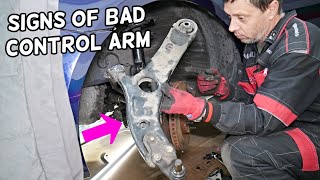
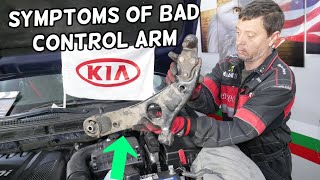
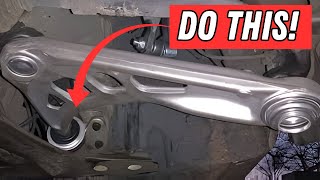
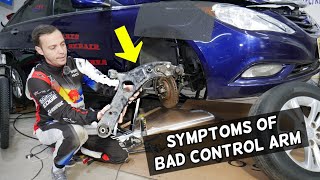
🎬 Watch: See common signs of a bad control arm bushing.- Clunking or Banging Noises: This is the most common symptom. You'll hear loud clunks, pops, or bangs from the front end, especially when going over bumps, potholes, or even during hard acceleration and braking.
- Steering Wander: The car may feel like it's 'wandering' or pulling to one side, forcing you to make constant small corrections to the steering wheel to stay straight.
- Vibrations: You might feel excessive vibration through the steering wheel, which can change with speed or when you hit the brakes.
- Uneven Tire Wear: A bad control arm will throw off your wheel alignment, causing the inside or outside edge of your front tires to wear out much faster than the rest.
Check the Subframe on 2001-2004 Models
There was a major safety recall (NHTSA Campaign ID: 09V183000) for 2001-2004 Optimas registered in 'salt belt' states due to severe corrosion of the front subframe. This rust can cause the mounting point for the lower control arm to fail, leading to a sudden loss of steering control. Before replacing a control arm on these years, inspect the subframe where the arm mounts for significant rust or cracking. If severe corrosion is present, the vehicle may be unsafe to drive and needs a professional inspection.
Choosing the Right Aftermarket Control Arm
For a vehicle of this age, a high-quality aftermarket control arm is often the most practical and cost-effective choice. The original OEM parts may be expensive or hard to find. Aftermarket brands offer a range of quality and price points.
It's best to think of brands in tiers:
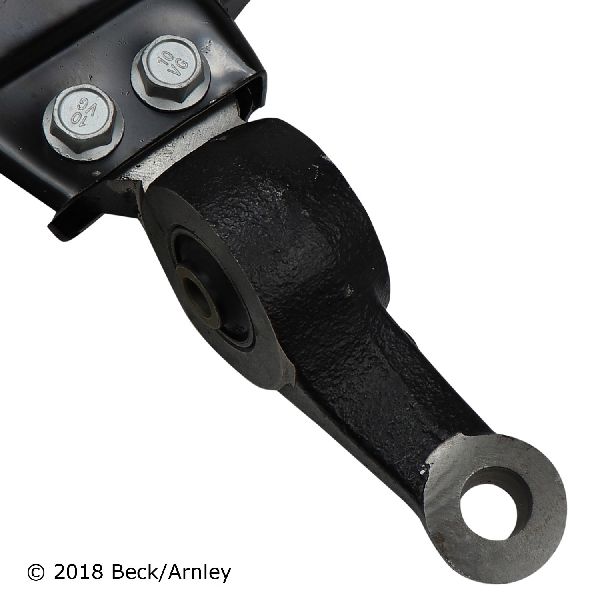
- Premium Brands (Moog, Delphi, Beck Arnley): These brands are known for high-quality engineering and materials, often meeting or exceeding original specifications. Moog and Delphi are well-regarded professional choices, while Beck Arnley often sources from the original equipment manufacturers. They are an excellent choice if you plan to keep your Optima for a long time.
- Standard / Value Brands (Mevotech, Dorman): These are the workhorses of the aftermarket. Brands like Mevotech often offer innovative designs and are considered a good balance of quality and price. Dorman provides a vast catalog of affordable replacement parts that are a good fit for a daily driver.
- Economy Brands (Suspensia and various store brands): These parts offer the lowest initial cost and can be a viable option for a budget-focused repair to get the car back on the road safely. Longevity may not match that of premium brands.
| Part/Service | Estimated Cost |
|---|---|
| New OEM Part | $200 - $350+ per arm |
| New Aftermarket Part | $54 - $178 per arm |
| Shop Labor | $150 - $300 per side |
| Wheel Alignment | $80 - $150 |
Frequently Asked Questions
Do I need a wheel alignment after replacing a control arm?
Yes, absolutely. Replacing a control arm directly affects your car's suspension geometry. Skipping the alignment will result in poor handling, crooked steering, and will quickly ruin your tires. This step is not optional.
Should I replace control arms on both sides at the same time?
It is highly recommended. Suspension components wear at similar rates. If the control arm on one side has failed, the other side is likely not far behind. Replacing them in pairs ensures balanced handling and saves you from having to do the same job twice in the near future.
Can I just replace the bushing or ball joint instead of the whole arm?
While technically possible, it is not practical for a DIY mechanic. Pressing old bushings and ball joints out and new ones in requires a large hydraulic press and special tools. Given the affordable cost of a complete, pre-assembled aftermarket control arm, replacing the entire unit is faster, easier, and safer.
How difficult is this job to do myself?
Replacing a control arm is a moderately difficult job for a DIYer with some mechanical experience. It requires safely lifting and supporting the vehicle on jack stands, and you may need a breaker bar for tight bolts and a ball joint separator tool. If you are not comfortable working on suspension components, it is best to leave this job to a professional mechanic.
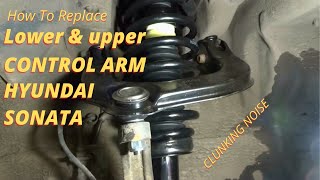
🎬 Watch this replacement walkthrough for helpful tips and tricks.Helpful Videos
Technical Specifications
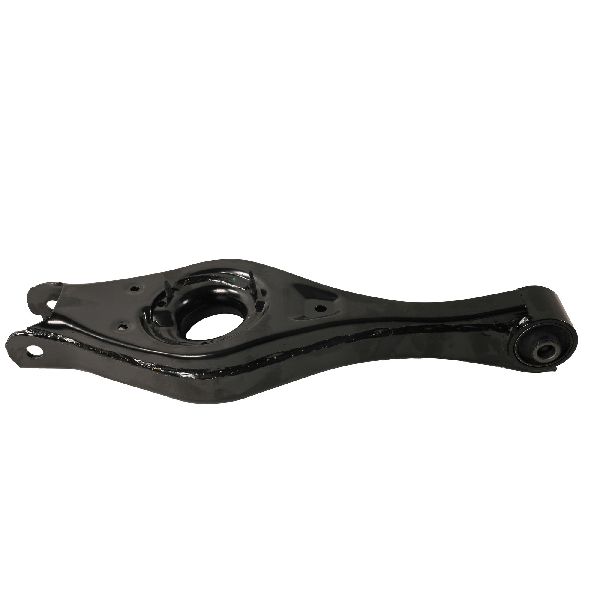
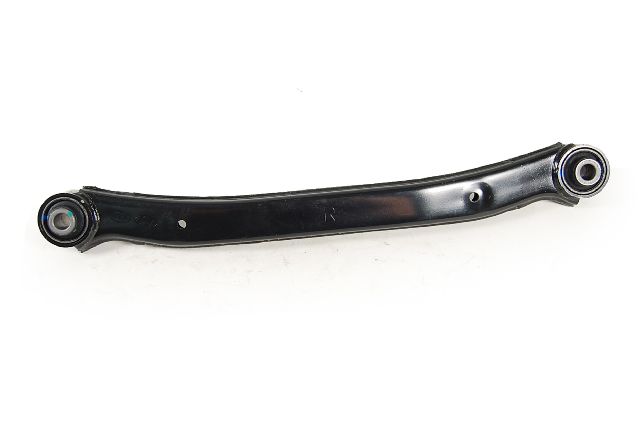
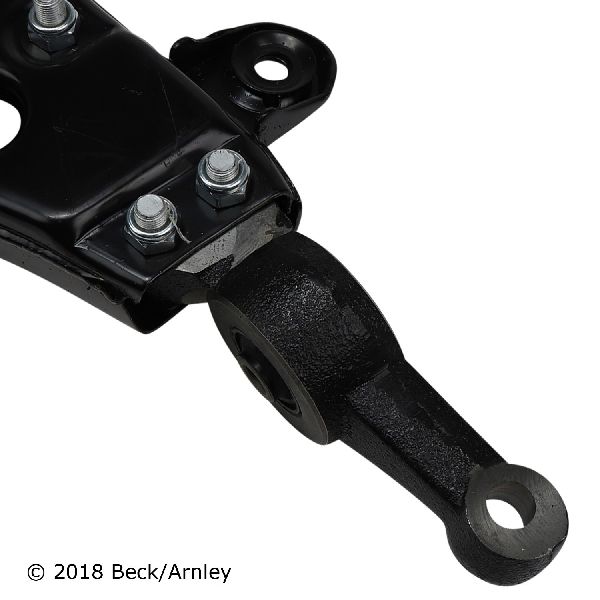
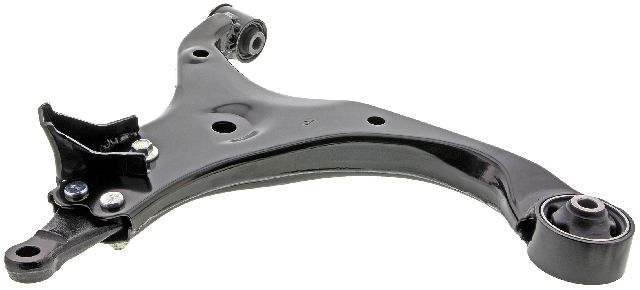
The most critical specification is ensuring the part matches your vehicle's specific model year and generation (2001-2005 vs. 2006-2007). The front lower control arms are specific to the driver (left) and passenger (right) side. Always confirm fitment using your vehicle's VIN.
We Have This Part in Stock

The information in this article is provided for general reference and educational purposes only. Vehicle specifications, procedures, and part compatibility can vary by production date, trim level, and region. Always consult your vehicle's factory service manual and verify part numbers before purchasing or performing repairs. Safety-critical components such as airbags, seat belts, and braking systems should be installed by a qualified professional.
- Kia Optima: