

A Mechanic's Guide to the 2001-2007 Kia Optima Suspension Stabilizer Bar Link Kit
Stop the clunking and rattling noises from your Optima's suspension by choosing the right replacement stabilizer link kit.
- The most common symptom of failure is a clunking or rattling noise from the suspension when going over bumps.
- For this vehicle, a quality aftermarket part from a brand like Delphi, or a premium line from Mevotech or Dorman, offers the best value.
- Always replace stabilizer links in pairs (both front or both rear) to ensure balanced handling.
- If you have a 2001-2004 model from a rust-belt state, verify the front subframe recall (NHTSA 09V183000) has been addressed.
Is Your Optima Making a Clunking Noise?
One of the most common signs of a worn-out stabilizer bar link on the first-generation Kia Optima is a distinct clunking, rattling, or knocking sound. You'll usually hear this noise coming from the front or rear wheels when you drive over bumps, potholes, or uneven roads. Other symptoms include a loose or less responsive steering feel and a feeling that the car is unstable or sways more than usual during turns.
Important Suspension Recall Information
For 2001-2004 Kia Optima models sold or registered in rust-belt states, there was a major recall for front subframe corrosion (NHTSA Campaign ID: 09V183000). Road salt can cause the subframe to rust and weaken near where the control arm connects. While this isn't a recall on the stabilizer links themselves, a failing subframe is a serious safety issue that can cause similar handling problems. It is critical to ensure this recall work has been performed on your vehicle if it was registered in one of the affected states.
Choosing the Right Aftermarket Stabilizer Link
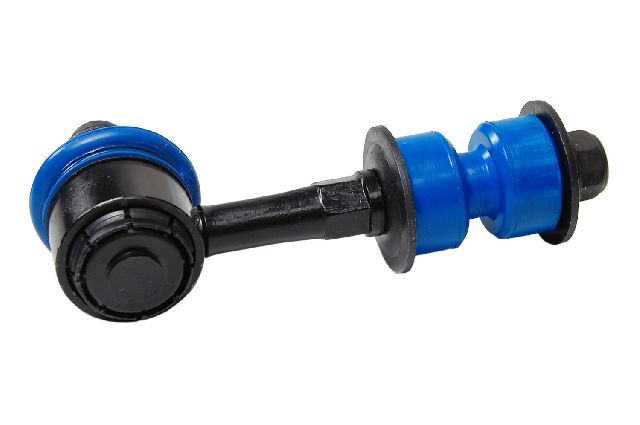
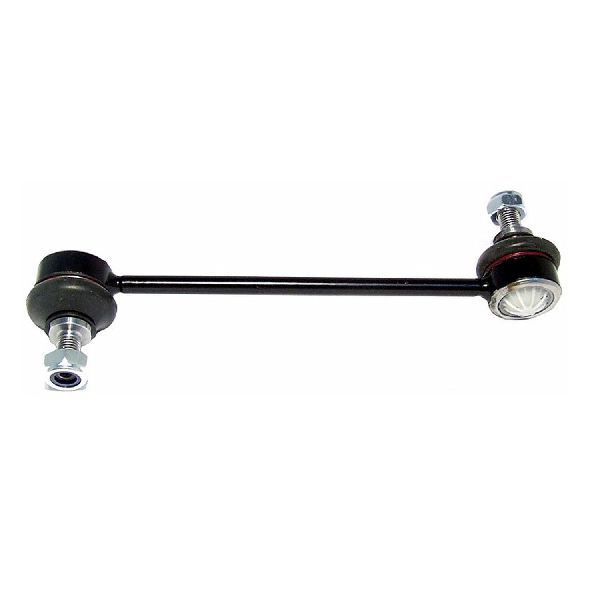
For a vehicle like the 2001-2007 Optima, using a quality aftermarket stabilizer link is a smart and cost-effective choice. The original factory links are simple, non-greasable parts. Many aftermarket brands offer improved designs, such as greasable fittings that can extend the part's life with regular maintenance, or use stronger materials. Here’s how the common brands stack up.
Brand Quality Tiers
- Premium Aftermarket (Good): Brands like Delphi and Beck Arnley are known for making parts that meet or exceed original equipment (OE) quality. Delphi is a major OE supplier, and Beck Arnley focuses on providing parts that match the fit and function of the factory original. These are a solid choice for reliability and longevity.
- Mid-Grade / Value (Better): In this category, you'll find brands like Mevotech and Dorman. These brands often have multiple quality levels. Mevotech's 'Supreme' or Dorman's 'Premium XL' lines often feature improvements like better materials or greasable joints and are a great value. However, their basic, entry-level parts are more of an economy choice.
- Economy (Basic): This includes the standard, lower-cost options from Dorman, Mevotech, and various other brands. These parts will fix the immediate problem, like a clunking noise, but may not last as long as premium options. They are a good fit for a tight budget or if you don't plan on keeping the vehicle for many more years.
Pro Tip: Always replace stabilizer links in pairs (both front or both rear). If one has failed, the other is likely worn and will fail soon. Replacing them together ensures balanced handling and saves you from doing the same job twice.
Typical Replacement Costs for 2001-2007 Kia Optima
| Part Type | Estimated Cost |
|---|---|
| New Aftermarket Kit (Pair) | $21 - $59 |
| New OEM Kit (Pair) | $80 - $120 |
| Shop Labor | $120 - $250 |
Frequently Asked Questions
Can I install a stabilizer bar link myself?
Yes, this is a DIY-friendly job for someone with basic mechanic's tools. The most important trick is to lift both front (or rear) wheels off the ground at the same time to take the tension off the stabilizer bar, which makes removing and installing the links much easier. If the bolts are rusty, soaking them in penetrating oil beforehand will help.
What's the difference between front and rear links?
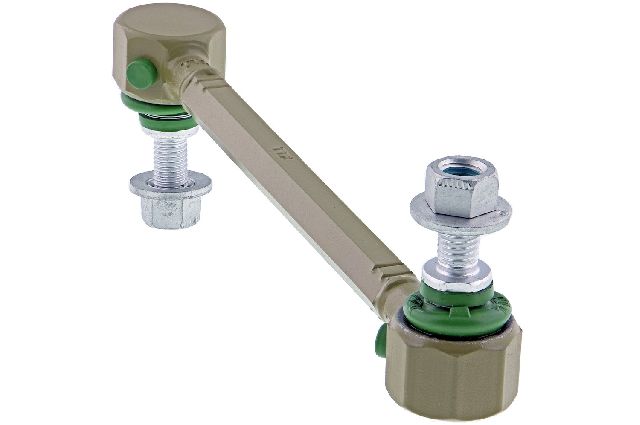
Front and rear stabilizer links on the Optima are different parts and are not interchangeable. They have different lengths and mounting designs. Make sure you order the correct part for the front or rear axle.
What are greasable vs. sealed links?
The original links are sealed and require no maintenance. Some aftermarket links are 'greasable,' meaning they have a small fitting (a zerk) where you can add new grease. This can flush out old contaminants and potentially make the joint last longer, but it requires you to perform maintenance. For most drivers, a quality sealed link is a perfectly good 'fit-and-forget' option.
Do I need a wheel alignment after replacing stabilizer links?
No, a wheel alignment is not typically necessary after replacing only the stabilizer bar links. These parts do not affect the primary alignment angles like camber, caster, or toe.
Technical Specifications
OEM Part Numbers: 54830-38110 54830-38100 55530-38600
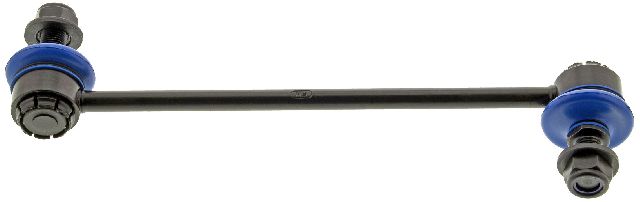
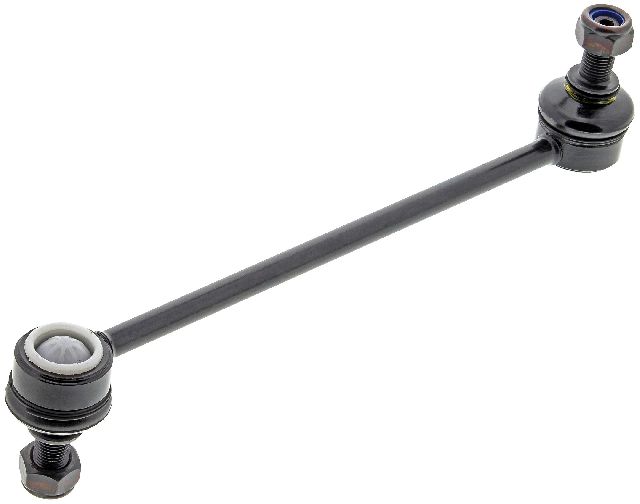
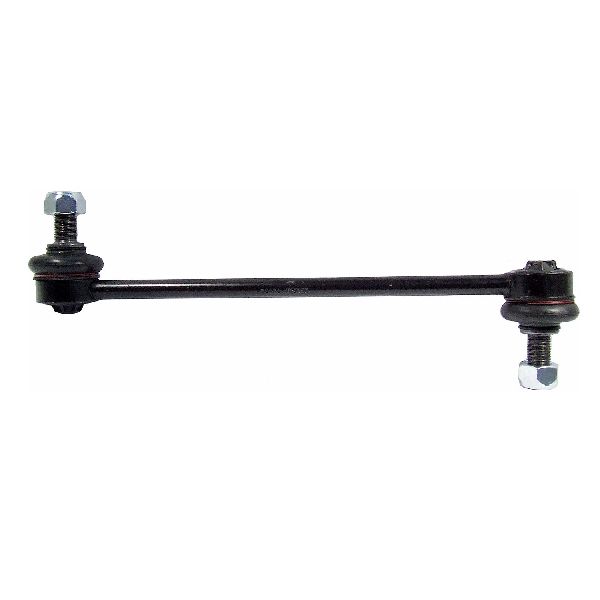
The 2001-2007 Kia Optima uses a front and rear stabilizer bar system. The links are simple ball-joint-style rods that connect the bar to the suspension. The front links connect to the strut assembly, while the rear links connect to the rear control arms. They are not interchangeable between front and rear.
We Have This Part in Stock

The information in this article is provided for general reference and educational purposes only. Vehicle specifications, procedures, and part compatibility can vary by production date, trim level, and region. Always consult your vehicle's factory service manual and verify part numbers before purchasing or performing repairs. Safety-critical components such as airbags, seat belts, and braking systems should be installed by a qualified professional.
- Kia Optima: