

2001-2007 Lexus GS430 Engine Coolant Temperature Sensor Guide
Understand the signs of a failing coolant sensor in your GS430 and how to choose the right replacement.
- A failing ECT sensor on a GS430 causes poor fuel economy, rough running, and an eventual Check Engine Light with codes like P0115, P0117, or P0118.
- There are no specific recalls or TSBs for this part; failure is typically due to age.
- Replacement is a simple DIY task; the sensor is located at the front of the engine and is easily accessible.
- For best results, choose a quality aftermarket brand like Delphi, Beck Arnley, or Standard Ignition over the cheapest options.
Is Your GS430's Coolant Sensor Failing?
A bad Engine Coolant Temperature (ECT) sensor can cause problems that seem unrelated. Because the sensor's reading affects so many engine functions, a false signal can lead to poor performance. If the sensor wrongly tells the computer the engine is cold, the computer will enrich the fuel mixture, leading to wasted gas and potential black smoke from the exhaust. If it sends a false hot signal, it can affect performance and cooling fan operation. Eventually, a failing ECT sensor will almost always trigger a Check Engine Light.
Choosing an Aftermarket ECT Sensor for Your GS430
For a vehicle like the GS430, using a quality sensor is important. While the original Lexus part (OEM Part No. 89422-30030) is always a safe bet, several aftermarket brands offer a reliable alternative at a lower price. Not all aftermarket parts are created equal. They can be grouped into tiers based on general quality and reputation.
- Top-Tier Aftermarket: Brands like Delphi and Beck Arnley are often considered high-quality. Delphi is a major OEM supplier for many car manufacturers, and their parts are known for reliability. Beck Arnley specializes in sourcing parts that match the original form and function, sometimes even from the original equipment manufacturer. Standard Ignition (SMP) is another well-regarded brand with a long history of producing quality engine management components.
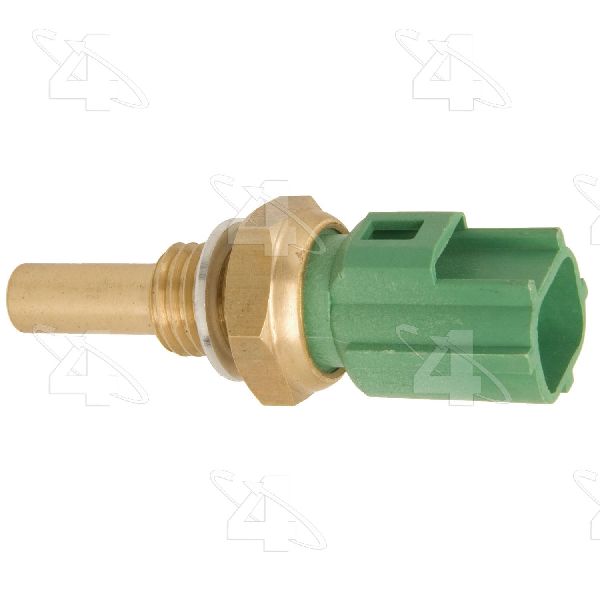
- Mid-Tier Aftermarket: Brands such as Hella, Vemo, and Four Seasons generally offer good value. They provide a dependable part that meets specifications without the premium price of OEM or top-tier brands. These are a solid choice for most repairs.
- Economy-Tier Aftermarket: Brands like Global Parts and other lesser-known names fall into this category. While they are the most affordable, their long-term reliability and the accuracy of their thermistors can be inconsistent. For a critical sensor like the ECT, it's often worth spending a few extra dollars for a more reputable brand to avoid replacing it again soon.
Known Issues, Recalls, or TSBs
Searches for recalls and Technical Service Bulletins (TSBs) related specifically to the Engine Coolant Temperature Sensor on the 2001-2007 Lexus GS430 did not show any results. While there are recalls for this vehicle generation, they are for other issues like fuel pumps and seat belts. Failure of this sensor is typically due to age and normal wear rather than a specific manufacturing defect.
Installation Tips
The ECT sensor on the GS430's 3UZ-FE V8 engine is located on the engine block, often near the thermostat housing at the front of the engine. Replacement is straightforward for those with basic mechanical skills. You will need to drain a small amount of coolant before starting. Have the new sensor ready to swap in quickly to minimize coolant loss. Always ensure the new sensor includes a new washer or gasket to prevent leaks.
| Part Type | Estimated Cost |
|---|---|
| New OEM (Lexus) | $75 - $105 |
| New Aftermarket | $13 - $48 |
| Shop Labor | $80 - $150 |
Frequently Asked Questions
Is there a difference between the temperature sensor and the temperature sender?
Yes. On some vehicles, there are two separate components. One is the ECT sensor, which sends information to the engine computer. The other is the temperature sender, which operates the gauge on your dashboard. For the 2001-2007 GS430, the primary sensor (part 89422-30030) handles the critical ECU functions. It's important to order the correct part for the problem you're having.
Can I replace the ECT sensor myself?
Yes, this is a DIY-friendly job for most home mechanics. It typically requires basic hand tools, like a deep socket wrench. The main challenges are accessing the sensor and minimizing coolant spillage. Watching a tutorial for a similar Lexus V8 engine can be very helpful.
Why shouldn't I just buy the cheapest sensor available?
The ECT sensor provides critical data for fuel mixture and cooling. A cheap, low-quality sensor may not be accurate, leading to the same problems as a failed sensor: poor fuel economy, rough running, and potential overheating. Investing in a reputable aftermarket brand is a small price to pay for reliability.
What do the check engine codes P0115, P0117, and P0118 mean?
These are the most common codes associated with ECT sensor failure. P0115 is a general circuit malfunction code. P0117 indicates the sensor signal is lower than expected (stuck hot). P0118 means the signal is higher than expected (stuck cold). Any of these codes point directly to a problem in the ECT sensor circuit that needs to be diagnosed.
Technical Specifications
OEM Part Numbers: 89422-30030 8942230030
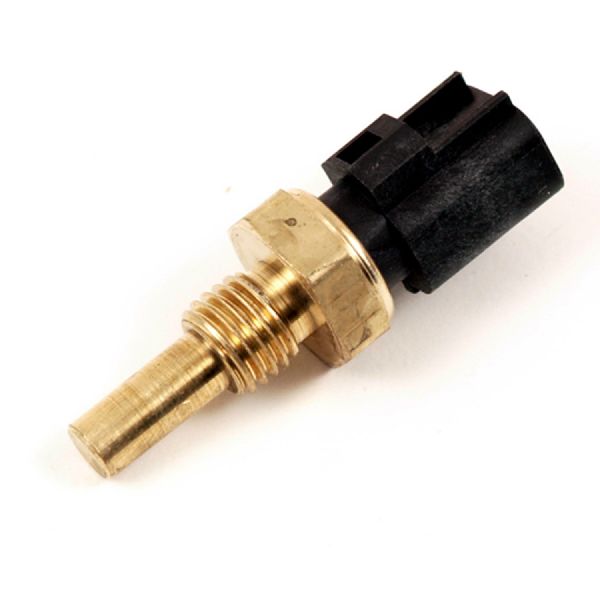
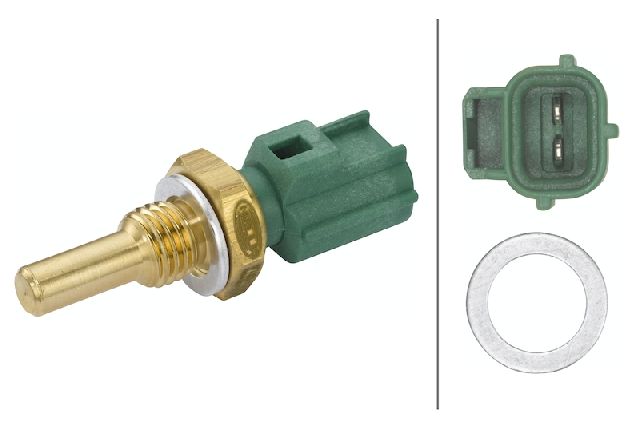
2-terminal blade connector. The sensor that communicates with the ECU for engine management.
We Have This Part in Stock


The information in this article is provided for general reference and educational purposes only. Vehicle specifications, procedures, and part compatibility can vary by production date, trim level, and region. Always consult your vehicle's factory service manual and verify part numbers before purchasing or performing repairs. Safety-critical components such as airbags, seat belts, and braking systems should be installed by a qualified professional.
- Lexus GS430: