

Lexus GS430 (2001-2007) Oxygen Sensor: A Guide to Replacement
Keep your GS430's 4.3L V8 running smoothly by understanding its oxygen sensors and choosing the right aftermarket replacement.
- Denso is the original equipment manufacturer (OEM) for your Lexus; using their aftermarket parts is the most reliable choice.
- NGK/NTK is a highly-regarded alternative, while budget brands can sometimes cause compatibility issues.
- Your GS430 has four sensors: two upstream (air/fuel ratio) and two downstream (catalyst monitor).
- A bad oxygen sensor can decrease fuel economy and eventually damage your catalytic converters if not replaced.
Understanding Oxygen Sensor Failure in Your GS430
Oxygen sensors don't last forever and can fail from age, contamination from oil or coolant, or other engine issues. When a sensor goes bad, your car's computer (PCM) can't properly adjust the air-fuel mixture or monitor the exhaust, leading to a Check Engine Light and other performance problems.
Symptoms of a Bad Oxygen Sensor
A failing oxygen sensor on your GS430 will usually make itself known. The most common sign is a Check Engine Light on your dashboard. Other symptoms include reduced fuel economy, a rough idle, engine misfires, and sometimes a rotten egg smell from the exhaust. Ignoring a bad sensor can eventually damage your expensive catalytic converters.
Common Diagnostic Codes
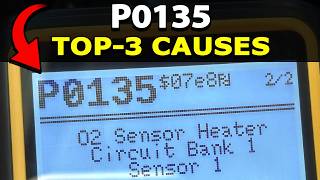
If your Check Engine Light is on, a code scanner will likely show codes related to the O2 sensor heater circuits (like P0135, P0141, P0155, P0161) or sensor performance. P0135 and P0155 point to the upstream sensors, which are the most critical for engine performance.
🎬 Watch this guide on fixing the P0135 upstream sensor code.Choosing the Right Aftermarket Oxygen Sensor
When replacing an oxygen sensor on your Lexus, the brand you choose matters. While many brands are available, they fall into different quality tiers. For a sensitive system like the one in your GS430, sticking with proven brands is highly recommended to avoid further issues.
Tier 1: OEM and Premium Aftermarket
- Denso: Denso is the Original Equipment Manufacturer (OEM) for Lexus. This means their aftermarket sensors are made to the same strict standards as the original parts. Choosing Denso is the safest bet for a direct-fit, reliable replacement that will work correctly the first time.
- NGK (NTK): NTK is the oxygen sensor division of NGK. They are a primary OEM supplier for many automakers and are widely considered a top-quality alternative to Denso. Their sensors are known for high quality and reliability.
- Bosch: Bosch is another major OEM supplier, but their aftermarket sensors have mixed reviews for Japanese vehicles like Lexus. While some have success, others report issues or shorter lifespans compared to Denso or NGK. It's often recommended to stick with Denso or NGK for this specific vehicle.
Tier 2: Economy Brands
- Delphi, Spectra, Walker Products, DriveWire: These brands offer more budget-friendly options. While they can work, some forum users have reported issues with cheaper aftermarket sensors on Lexus vehicles, such as incorrect heater resistance, which can cause the Check Engine Light to remain on even after replacement. If you are on a tight budget, ensure you are buying the correct direct-fit sensor and not a universal one that requires splicing wires.
Direct-Fit vs. Universal Sensors
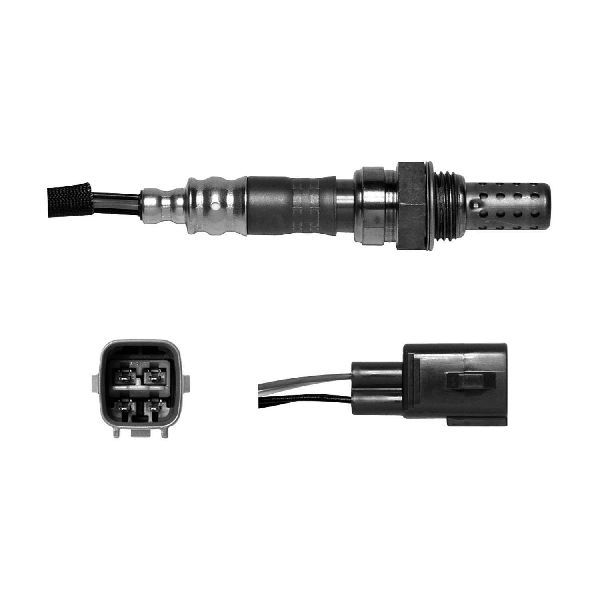
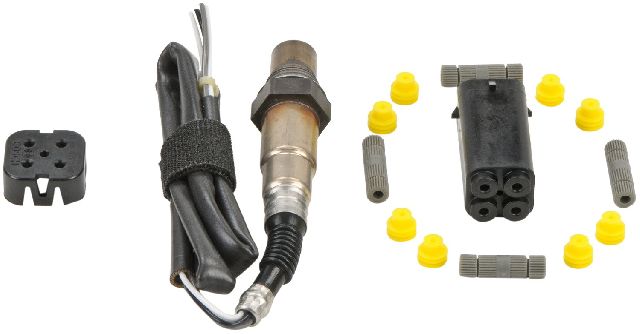
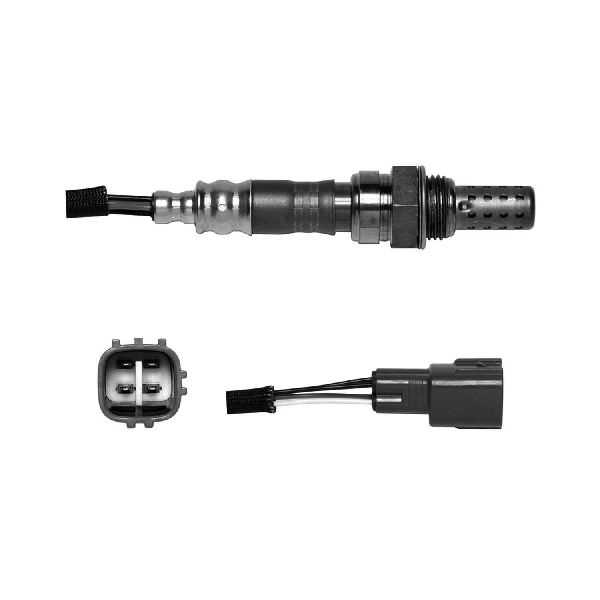
Always choose a "direct-fit" sensor for your GS430. These come with the correct-length wire and factory-style connector, making installation much easier. Universal sensors are cheaper but require you to cut and splice wires, which can lead to connection problems and incorrect readings.
Expected Costs for Replacement
The cost to replace an oxygen sensor can vary significantly based on the brand of the part and whether you do the work yourself or hire a professional.
| Item | Estimated Cost |
|---|---|
| New Aftermarket Part | $24.52 - $122.25 |
| New OEM (Denso) Part | $75 - $195 |
| Shop Labor | $117 - $179 |
| Total Professional Replacement | $259 - $617 |
Frequently Asked Questions (FAQ)
How many oxygen sensors does the 2001-2007 GS430 have?
The Lexus GS430 has four oxygen sensors. There are two upstream (before the catalytic converters) and two downstream (after the catalytic converters). There is one upstream and one downstream sensor for each engine bank (Bank 1 is the passenger side, Bank 2 is the driver's side).
What is the difference between an upstream and a downstream sensor?
Upstream sensors (also called Sensor 1 or Air/Fuel Ratio sensors) are the most important. They measure oxygen in the exhaust manifolds to help the engine computer fine-tune the air-fuel mixture for performance and fuel economy. Downstream sensors (Sensor 2) are located after the catalytic converters and their main job is to monitor the converter's efficiency.
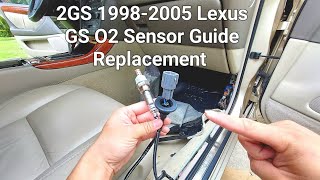
🎬 Follow this walkthrough to replace a Bank 1 Sensor 2 downstream sensor.Should I replace all four sensors at once?
It is not always necessary, but it is often recommended to replace upstream sensors in pairs (both Bank 1 and Bank 2) to ensure balanced engine performance. Downstream sensors can be replaced individually as they fail. If your car has high mileage (over 60,000-80,000 miles), replacing all four can be good preventative maintenance.
Can I replace an oxygen sensor myself?
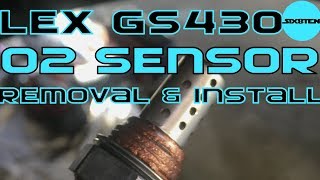
Yes, this is a feasible DIY job for someone with moderate mechanical skill. However, the sensors can be difficult to access, especially the upstream ones, and may be seized in the exhaust pipe. You will need a special oxygen sensor socket or a 22mm wrench, and soaking the old sensor in penetrating oil 🎬 See this step-by-step tutorial for replacing GS430 oxygen sensors. beforehand is highly recommended.
Helpful Videos
Technical Specifications
OEM Part Numbers: 89467-30010 89465-30710 89465-30720 89465-50130
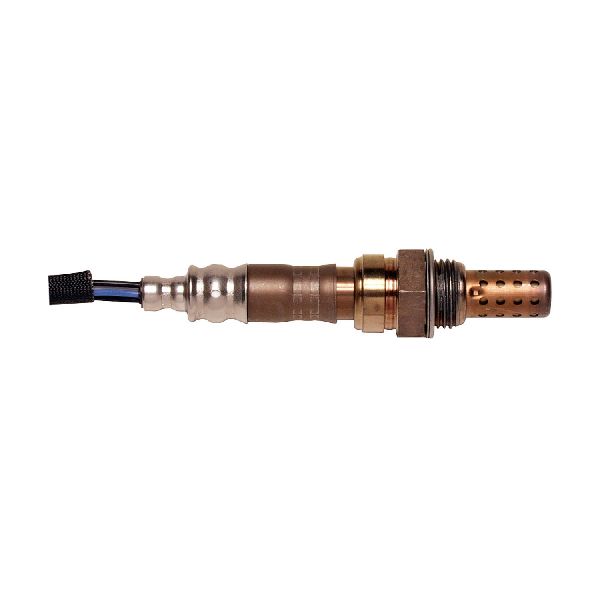
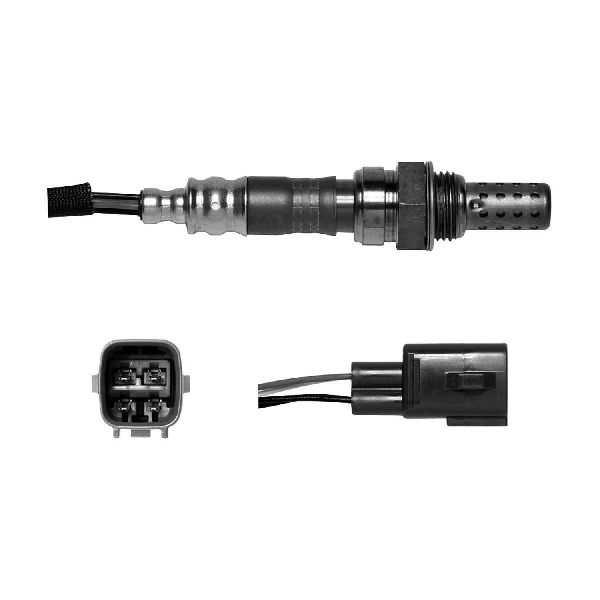
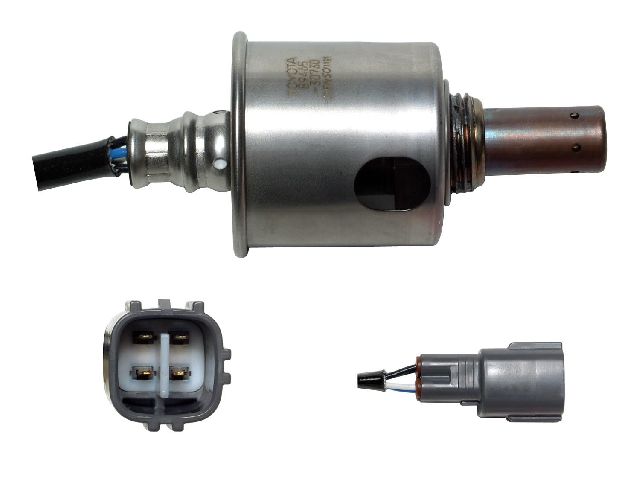
The 4.3L 3UZ-FE V8 engine uses four heated, 4-wire oxygen sensors. The upstream sensors are Air/Fuel Ratio types, while the downstream sensors are standard Narrow-Band types. Connectors and wire lengths are specific to each of the four positions.
We Have This Part in Stock

The information in this article is provided for general reference and educational purposes only. Vehicle specifications, procedures, and part compatibility can vary by production date, trim level, and region. Always consult your vehicle's factory service manual and verify part numbers before purchasing or performing repairs. Safety-critical components such as airbags, seat belts, and braking systems should be installed by a qualified professional.
- Lexus GS430:
- 🎬 Helpful Videos
- 🛍️ Shop This Part
- Understanding Oxygen Sensor Failure in Your GS430
- Symptoms of a Bad Oxygen Sensor
- Common Diagnostic Codes
- Choosing the Right Aftermarket Oxygen Sensor
- Tier 1: OEM and Premium Aftermarket
- Tier 2: Economy Brands
- Direct-Fit vs. Universal Sensors
- Expected Costs for Replacement
- Frequently Asked Questions (FAQ)
- 🎟️ Get 5% Off