

A Practical Guide to Engine Mounts for the 2004-2007 Mercury Monterey
If your Monterey is shaking or making clunking noises, a bad engine mount is the likely cause.
- The correct model years for the Mercury Monterey minivan are 2004-2007.
- Vibrations at idle and clunking noises on acceleration are the most common signs of failure.
- Replacement is difficult, especially for the rear mount, and is not recommended for most DIYers.
- Budget aftermarket brands (Anchor, DEA, Westar) are a viable option but may offer less vibration damping than OEM or higher-quality aftermarket parts.
Is Your Monterey Shaking? Signs of a Bad Engine Mount
When an engine mount fails on your 2004-2007 Mercury Monterey, the signs are hard to ignore. The rubber wears out or cracks from age and heat, and hydraulic mounts can leak their fluid. When this happens, the mount can no longer do its job of absorbing vibration and securing the engine. Watch for these common symptoms:
- Excessive Vibration: This is the most common sign. You'll feel a strong vibration through the steering wheel, floor, or seats, especially when the van is idling in gear.
- Loud Noises: Listen for clunking, banging, or thudding sounds coming from the engine bay. These noises are most obvious when you accelerate, brake, or shift from park into drive or reverse. This is the sound of the engine moving and hitting other parts.
- Engine Movement: A bad mount can cause a noticeable jolt or lurch when you accelerate or change gears. In some cases, you can even open the hood and see that the engine is sagging or tilted to one side.
Don't Ignore a Bad Mount
Continuing to drive with a completely failed engine mount can cause serious problems. The excessive engine movement can put stress on hoses, wiring, and exhaust components, leading to more expensive repairs down the road.
Choosing the Right Aftermarket Mount
For a vehicle like the 2004-2007 Monterey, aftermarket parts are the most common and cost-effective choice. Original Equipment (OEM) parts can be expensive or hard to find. However, not all aftermarket brands are created equal. Here’s an honest look at the available options.
Your Monterey has several mounts, including a front hydraulic mount, a rear hydraulic mount, and an upper torque strut (often called a "dog bone"). It's often a good idea to replace them as a set.
Economy Brands: Anchor, DEA, Westar
These brands are widely available and very affordable. They are a practical choice for many owners who need a functional repair without the high cost of OEM parts. However, quality can be inconsistent. Some owners report these mounts failing in as little as a few thousand miles, while others have used them for years without a problem. The rubber used may be harder than the original, which can lead to a slight increase in cabin vibration compared to a new OEM part.
Mid-Grade Brands: Pioneer
Pioneer is often considered a step up in quality from the economy brands. Forum users have noted that their parts can look and feel very similar to the original factory mounts. If you are willing to spend a little more for potentially better ride quality and durability, this brand is worth considering.
OEM vs. Aftermarket for Your Monterey
Given the age of the vehicle, a high-quality aftermarket mount offers the best balance of price and performance. While an OEM mount from Ford is an option, its higher cost may not be practical for most owners. Budget aftermarket brands can get the job done, but be aware that you may trade some ride comfort for the lower price.
Known Issues, Recalls, and Service Bulletins
There are no active recalls or Technical Service Bulletins (TSBs) from the NHTSA specifically related to the engine mounts for the 2004-2007 Mercury Monterey or its twin, the Ford Freestar. While the vehicle has had recalls for other issues like the third-row seat and torque converter, the engine mounts have not been identified as a widespread factory defect. Any failure is typically due to normal age and wear.
Engine Mount Replacement Cost for Mercury Monterey
The cost to replace engine mounts is mostly labor. Some mounts are easy to access, while others are very difficult. On the Monterey, the front mount requires moving the A/C compressor, and the rear mount can be so tight that a mechanic may need to loosen the vehicle's subframe to get it out. Because of this, DIY replacement can be challenging.
| Part/Service | Estimated Cost |
|---|---|
| New Aftermarket Mount (Single) | $56.98 - $86.84 |
| New OEM Mount (Single) | $110 - $160 |
| Shop Labor (Full Set) | $300 - $600+ |
| Total Professional Job (Full Set, Aftermarket) | $450 - $850+ |
Frequently Asked Questions
Can I replace just the one broken mount?
Yes, you can replace only the failed mount. However, engine mounts wear out at a similar rate. If one has failed, the others are likely not far behind. Replacing them all at once saves you from having to pay for labor again in the near future.
Is a vibrating engine always a bad mount?
Not always, but it's a primary suspect. Other issues like a misfiring engine, worn spark plugs, or transmission problems can also cause vibrations. However, if the vibration is paired with clunking noises, a bad mount is almost certain.
Why are some mounts hydraulic?
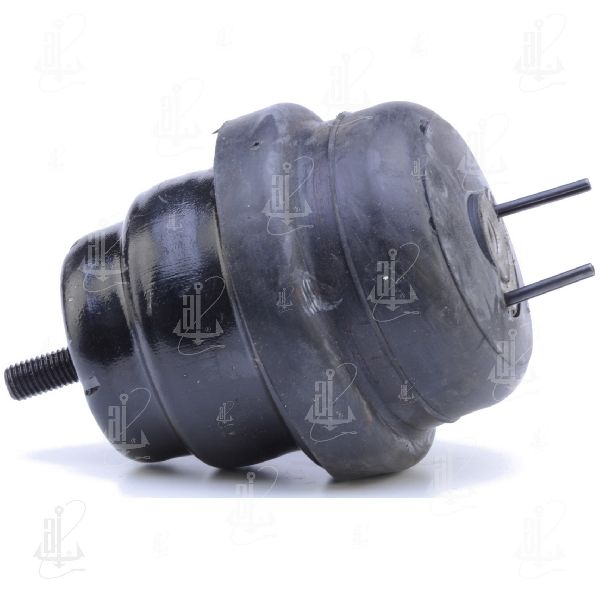
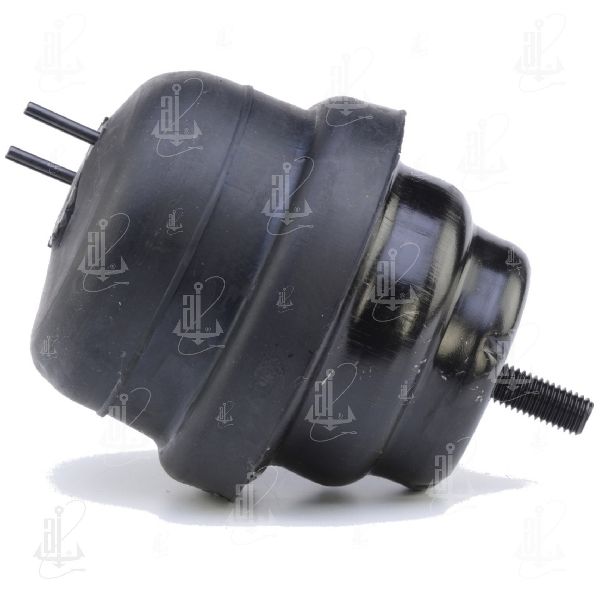
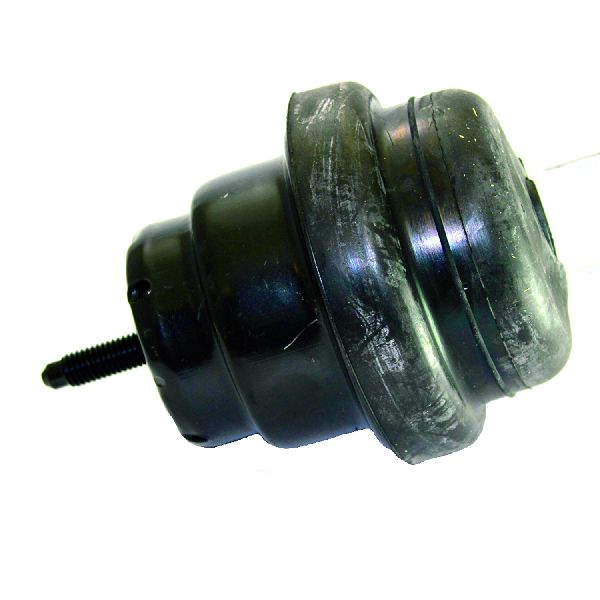
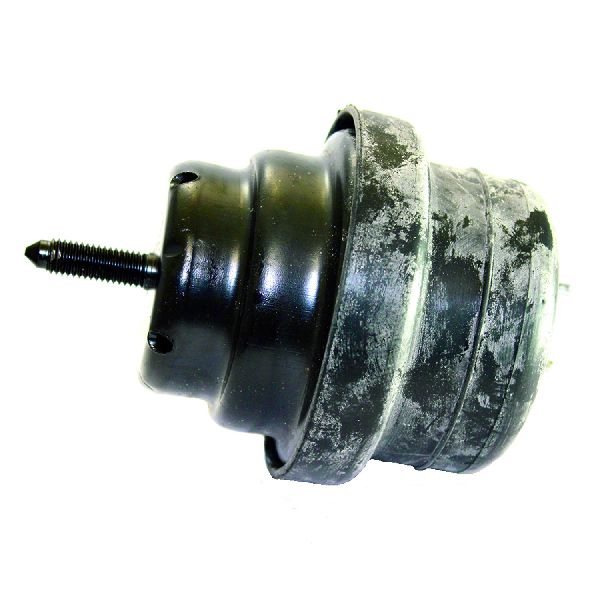
The front and rear mounts on your Monterey are hydraulic, meaning they are filled with fluid. This design is better at damping a wider range of vibrations than solid rubber alone, leading to a smoother feel inside the van. A downside is that they can leak, which is a clear sign of failure.
Is this a good DIY job?
For most home mechanics, this is a difficult job. It requires safely supporting the engine while you work, and access to the mounts is very tight, especially the rear one. Without the right tools and experience, it's a job best left to a professional mechanic.
Technical Specifications
OEM Part Numbers: 3F2Z-6038-AA 3F2Z-6068-AA 3F2Z-6F063-AA
The 2004-2007 Mercury Monterey uses a set of mounts, including a front hydraulic mount, a rear hydraulic mount, and an upper torque strut mount. They are designed for the 4.2L V6 engine platform shared with the Ford Freestar.
We Have This Part in Stock


The information in this article is provided for general reference and educational purposes only. Vehicle specifications, procedures, and part compatibility can vary by production date, trim level, and region. Always consult your vehicle's factory service manual and verify part numbers before purchasing or performing repairs. Safety-critical components such as airbags, seat belts, and braking systems should be installed by a qualified professional.
- Mercury Monterey:
- 🛍️ Shop This Part
- Is Your Monterey Shaking? Signs of a Bad Engine Mount
- Don't Ignore a Bad Mount
- Choosing the Right Aftermarket Mount
- Economy Brands: Anchor, DEA, Westar
- Mid-Grade Brands: Pioneer
- OEM vs. Aftermarket for Your Monterey
- Known Issues, Recalls, and Service Bulletins
- Engine Mount Replacement Cost for Mercury Monterey
- Frequently Asked Questions
- 🎟️ Get 5% Off