

Nissan Pathfinder Crankshaft Position Sensor: 2001-2007 Issues and Fixes
Stalling, hard starts, or a P0335 code on your Pathfinder? Your crankshaft sensor is the likely cause.
- Stalling and no-start issues are the most common symptoms of failure.
- The diagnostic code P0335 almost always points to a bad crankshaft position sensor or its circuit.
- For reliability, strongly prefer an OEM or Hitachi brand sensor; cheaper aftermarket options are known to fail.
- The sensor location is different for 2001-2004 (bellhousing) and 2005-2007 (oil pan) models.
Understanding the Crankshaft Sensor in Your Pathfinder

If you own a 2001-2007 Nissan Pathfinder, you're driving a capable SUV, but one with a well-known weak point: its engine position sensors. The crankshaft position sensor, in particular, is a frequent failure item that can cause a range of frustrating and potentially dangerous issues. These problems are common across both the 2001-2004 models with the VQ35DE engine and the 2005-2007 models with the VQ40DE engine.
Generation & Engine Differences (2001-2007)
It's important to know which Pathfinder you have, as there are key differences:
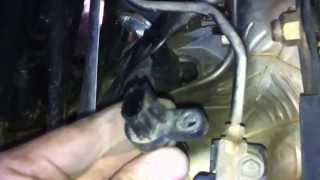
- 2001-2004 (R50 generation): These models use the 3.5L VQ35DE engine. The primary crankshaft position sensor (POS) that triggers the P0335 code 🎬 See a detailed breakdown of the P0335 code and sensor issues. is located on the transmission bellhousing. 🎬 Watch this video to find the sensor on 2001-2004 models. There is often confusion, as another sensor is near the front timing cover.
- 2005-2007 (R51 generation): These models use the 4.0L VQ40DE engine. The crankshaft sensor is located on the back of the oil pan, accessed by removing the passenger-side front wheel and inner fender liner.
Known Issues, Recalls, and TSBs
Nissan issued a recall (NHTSA Campaign ID: 07V527000) in 2007 for crankshaft position sensors that could overheat, causing the engine to stop without warning at low speeds. While this recall primarily targeted other models, the sensor issue is widespread across many Nissan vehicles from this era using similar parts. Over time, Nissan updated the sensor design, often to a metal-body version, to improve reliability. Because of this, it's crucial to use a high-quality replacement part.
Choosing the Right Aftermarket Crankshaft Sensor

When it comes to electronic sensors on Nissan engines of this vintage, not all aftermarket parts are created equal. Many owners report that cheap, unbranded sensors fail quickly or don't work at all right out of the box. The VQ engines are known to be particularly sensitive to the quality of cam and crank sensors.
Here’s a breakdown of brand quality based on owner experiences and mechanic recommendations:
- Top Tier (Recommended): Hitachi is the original equipment manufacturer (OEM) for Nissan for many of these sensors. Choosing a Hitachi sensor is the closest you can get to genuine Nissan quality without the dealer price tag. It is the most recommended brand by Pathfinder and other Nissan owners.
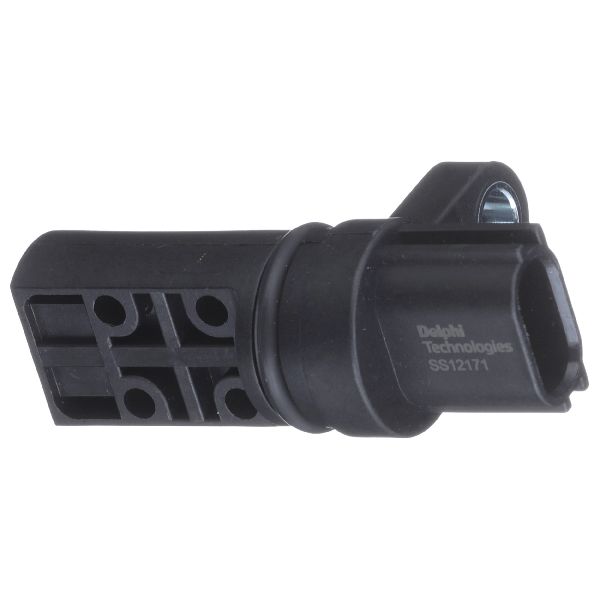
- Mid Tier (Use with Caution): Brands like NGK, Delphi, and Beck Arnley often have a better reputation than store-brand parts. Beck Arnley is known for sourcing parts from various manufacturers, so quality can sometimes be inconsistent, but they are generally considered a decent option.
- Economy Tier (Not Recommended): It is strongly advised to avoid the cheapest, unbranded sensors. While the low price is tempting, the high likelihood of premature failure, poor performance, and having to do the job twice makes them a poor value.
| Part Type | Estimated Cost |
|---|---|
| New OEM (Dealer) | $90 - $150 |
| New Aftermarket (Hitachi/Top Tier) | $40 - $100 |
| New Aftermarket (Economy) | $27 - $40 |
| Shop Labor | $100 - $200 |
Frequently Asked Questions (FAQ)

Where is the crankshaft sensor located on my Pathfinder?
For 2001-2004 models with the 3.5L engine, the main sensor is on the transmission bellhousing, accessible from underneath the vehicle. For 2005-2007 models with the 4.0L engine, it's on the back of the oil pan, and you'll need to remove the passenger front wheel and the plastic inner fender to access it.
Can I replace this sensor myself?
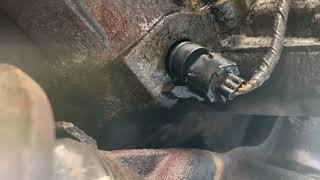
Yes, this is a DIY-feasible job for someone with basic tools and mechanical ability. For the 2005-2007 models, it requires safely jacking up the vehicle, removing the wheel, and taking out the fender liner. 🎬 Follow this step-by-step guide for the 2005-2007 sensor replacement. The 2001-2004 sensor can be tight to access on the bellhousing. In either case, it's typically held in by a single 10mm bolt.
Why do people say to only use OEM or Hitachi sensors?
Nissan's VQ series engines are very particular about the electronic signals from their sensors. Forum discussions are filled with stories of owners who tried cheaper aftermarket sensors only to have them fail quickly or not work correctly, causing the same problems to return. Hitachi was the original manufacturer for Nissan, so their parts are trusted to perform to the correct specifications.
What is the difference between a crankshaft and camshaft sensor?
They perform similar functions but monitor different shafts. The crankshaft sensor tracks the main rotating assembly of the engine (crankshaft), while the camshaft sensors track the rotation of the camshafts, which control the valves. All are critical for engine timing, and a failure in any of them can cause similar symptoms.
My new sensor looks different from the old one. Is that okay?
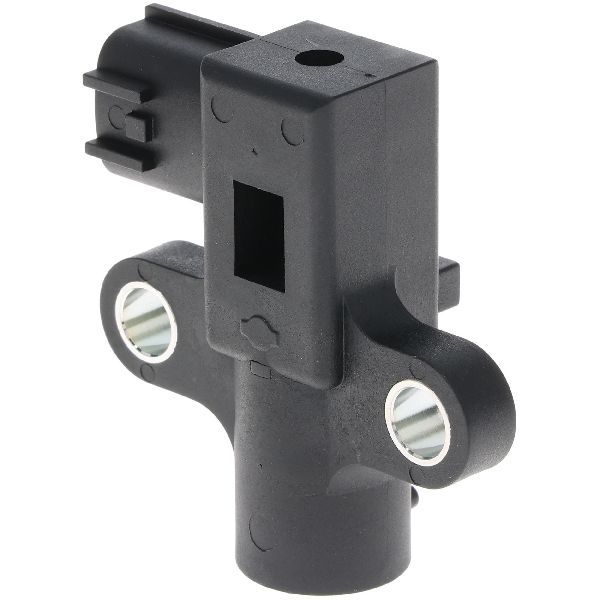
Possibly. Nissan and Hitachi have updated the sensor design over the years, often replacing the original plastic-tipped sensor with a more durable metal-bodied one. The connector might also be clocked in a different position. As long as you purchased the correct part number for your specific year and engine, this is likely a normal design revision.
Helpful Videos


Technical Specifications
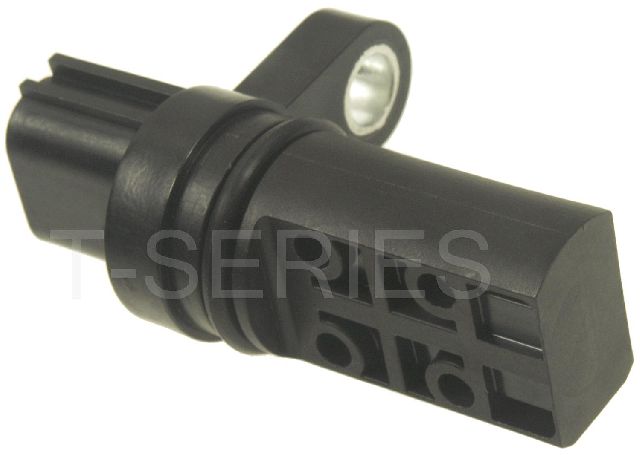
OEM Part Numbers: 23731-AL60E 23731-EA20D 23731-AL61D 23731-EA20C
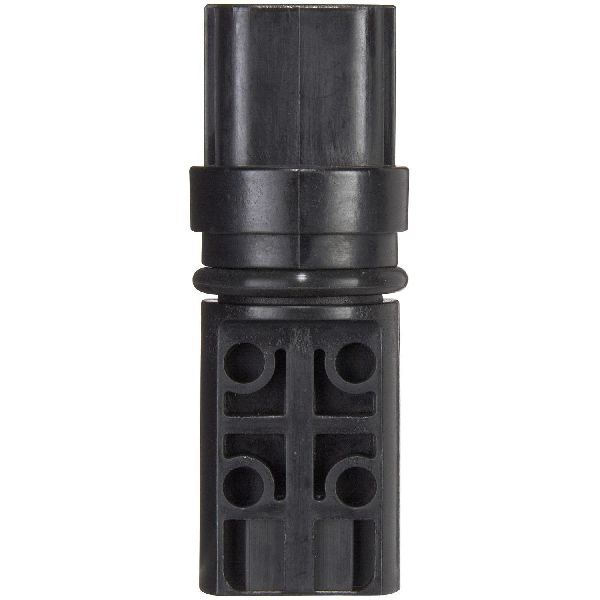
The crankshaft position sensor for the 2001-2007 Nissan Pathfinder is a magnetic hall-effect sensor. It reads the position of the crankshaft via a reluctor wheel or notches on the flywheel/flexplate. The part has been updated by Nissan several times, with newer versions often featuring a more robust metal body instead of the original plastic.
We Have This Part in Stock


The information in this article is provided for general reference and educational purposes only. Vehicle specifications, procedures, and part compatibility can vary by production date, trim level, and region. Always consult your vehicle's factory service manual and verify part numbers before purchasing or performing repairs. Safety-critical components such as airbags, seat belts, and braking systems should be installed by a qualified professional.
- Nissan Pathfinder: