

A Guide to Oxygen Sensors for the 2001-2007 Toyota Avalon
Solving check engine lights and poor performance by choosing the right oxygen sensor for your Avalon.
- For best results and to avoid repeat repairs, use Denso or NGK (NTK) brand sensors.
- A failing oxygen sensor can cause long-term damage to the catalytic converter, a much more expensive part to replace.
- The 2001-2007 Avalon has four sensors; correctly identifying the failed sensor's location (Bank and Sensor number) is crucial before ordering a part.
- The difficulty of replacement varies greatly depending on the sensor's location; the rear bank (Bank 1) is significantly harder to access.
Is Your Avalon's Oxygen Sensor Failing?

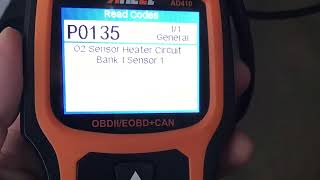
A failing oxygen sensor will almost always turn on your Check Engine Light. Along with the light, you may notice other symptoms. Your car might get worse gas mileage than it used to. The engine could feel rough when idling, hesitate when you accelerate, or even misfire. In some cases, you might smell a strong, rotten-egg odor from the exhaust, which is a sign that unburned fuel is overheating the catalytic converter. Ignoring these signs can lead to a failed emissions test and, more seriously, expensive damage to your catalytic converter.
Don't Ignore a Failing Sensor
While you can drive with a bad oxygen sensor, it's not recommended. Continuing to drive can cause your fuel economy to drop significantly and may lead to costly damage to your catalytic converter over time, a much more expensive repair.
Choosing the Right Aftermarket Oxygen Sensor

When shopping for a replacement, you'll find many brands. For a Toyota Avalon, the brand you choose matters. The engine computer is sensitive and designed to work best with the original equipment (OEM) manufacturer's parts.
Tier 1: OEM or Equivalent (Recommended)
Denso and NGK/NTK: Denso is the Original Equipment Manufacturer (OEM) for Toyota, meaning they made the sensor that was in your Avalon when it left the factory. Choosing a Denso aftermarket sensor is the safest bet for a perfect fit and proper function. NGK (also sold under the NTK brand) is another top-tier Japanese manufacturer that is widely trusted and considered an excellent alternative to Denso. For trouble-free performance, stick with one of these two brands.
Tier 2: Reputable Aftermarket
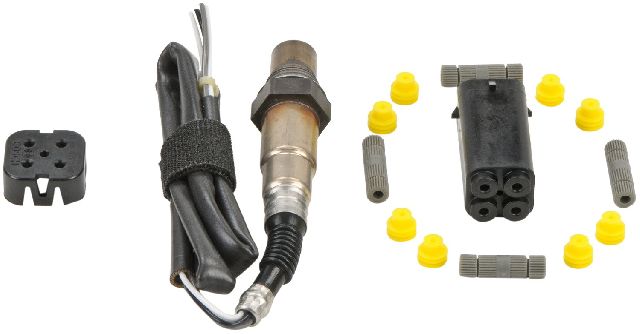
Bosch and Delphi: Bosch is a massive parts supplier that invented the oxygen sensor. While their quality is generally good, some Toyota owners report issues like false check engine lights because the vehicle's computer is finely tuned for Denso sensors. Delphi is another established brand, but like Bosch, it may not be the ideal choice for a Toyota. These brands can be a good value but carry a small risk of compatibility problems.
Budget Tier: Use with Caution
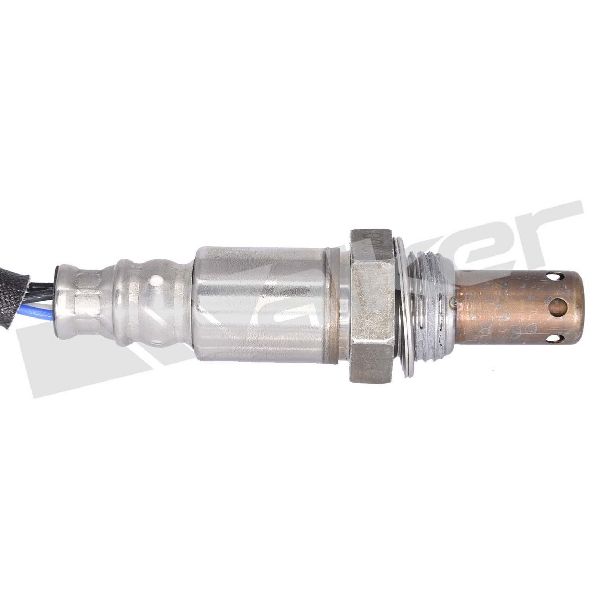
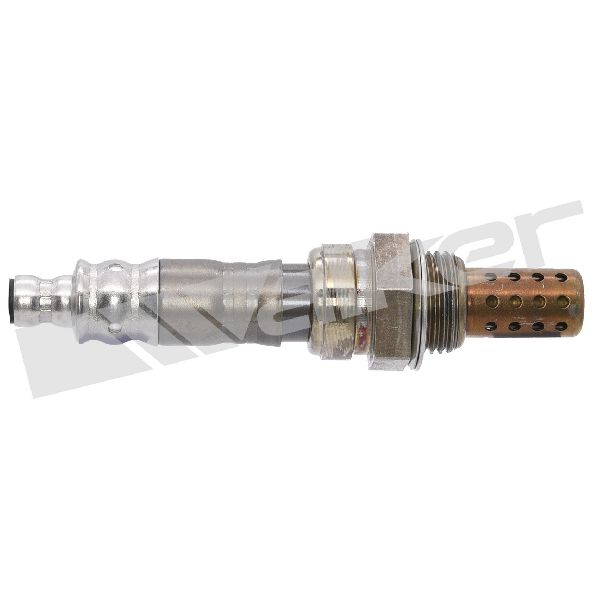
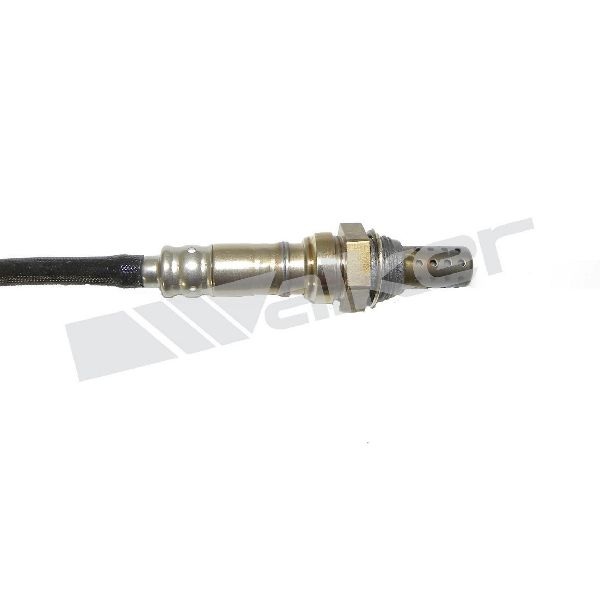
DriveWire, Spectra, Walker Products: These brands offer the lowest prices. However, owner and mechanic forums often advise against using budget sensors on Toyotas. While some people have success, many report that these sensors fail quickly or don't work correctly from the start, leading to a persistent check engine light. The small savings might not be worth the potential hassle.
Pro Tip: Identify the Correct Sensor Location
Your Avalon's V6 engine has multiple oxygen sensors. It's critical to replace the correct one. Toyota issued a Technical Service Bulletin (TSB-0398-09) to help technicians correctly identify them. Here's the breakdown:
- Bank 1: The set of cylinders near the firewall (rear of the engine bay). This bank is harder to see and reach.
- Bank 2: The set of cylinders near the radiator (front of the engine bay). This bank is easy to see.
- Sensor 1: The sensor located before the catalytic converter (also called upstream or Air/Fuel Ratio Sensor).
- Sensor 2: The sensor located after the catalytic converter (also called downstream).
For example, a code for "Bank 1, Sensor 2" means the downstream sensor on the rear bank of the engine.
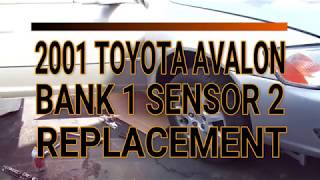
🎬 Watch a walkthrough for replacing the Bank 1 Sensor 2.Typical Replacement Costs
The cost to replace an oxygen sensor depends on the brand you choose and whether you do the work yourself.
| Item | Estimated Cost |
|---|---|
| New Aftermarket Part | $25 - $369 |
| Shop Labor | $100 - $250 |
| Total Shop Visit | $125 - $619 |
Frequently Asked Questions

How many oxygen sensors does a 2001-2007 Toyota Avalon have?
The V6 engine in the Avalon typically has four oxygen sensors: an upstream (Sensor 1) and a downstream (Sensor 2) for each engine bank (Bank 1 and Bank 2).
Can I replace an oxygen sensor myself?
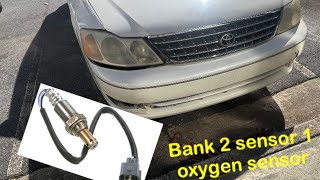
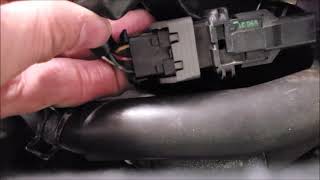
Yes, this is a DIY-feasible job for many, but the difficulty varies. The front sensor (Bank 2, Sensor 1) is usually easy to access. 🎬 Watch this guide for replacing the front Bank 2 sensor. The rear sensor against the firewall (Bank 1, Sensor 1) is very difficult to reach. 🎬 See how to replace the difficult Bank 1 Sensor 1. The downstream sensors require getting under the car. The biggest challenges are often rusted sensors that are seized in the exhaust pipe and tight spaces for disconnecting the electrical plug.
What tools do I need to replace an oxygen sensor?
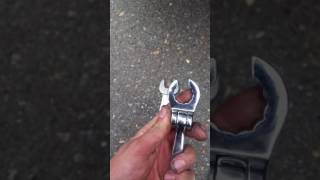
You will need a special tool called an oxygen sensor socket (usually 22mm or 7/8-inch) which has a slit for the wire. A regular wrench can sometimes work but may strip the old sensor. You should also have penetrating oil to help loosen the old sensor and anti-seize lubricant for the threads of the new one.
Is there a recall on the oxygen sensor for this Avalon?
No. Searches of NHTSA data and recall announcements show no recalls specifically for the engine oxygen sensors on the 2001-2007 Toyota Avalon. A widely publicized recall for sensors on newer Toyotas concerned the Occupant Classification System (OCS) for airbags and does not apply to this part or model year.
Helpful Videos
Technical Specifications
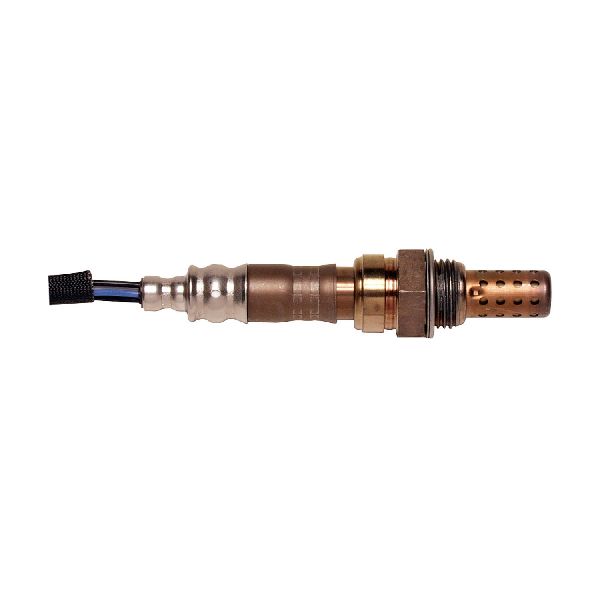
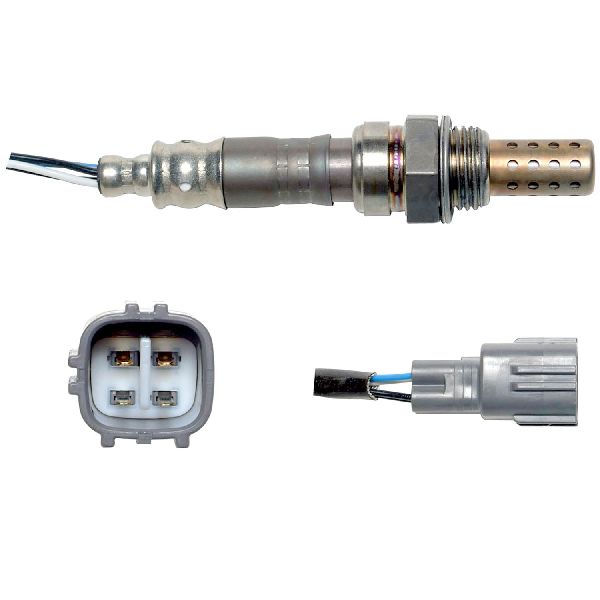
OEM Part Numbers: 234-9021
The 2001-2007 Toyota Avalon uses a V6 engine (1MZ-FE) with four heated oxygen sensors. The upstream sensors are also known as Air/Fuel Ratio sensors. Bank 1 is located near the firewall and Bank 2 is located near the radiator.
We Have This Part in Stock

The information in this article is provided for general reference and educational purposes only. Vehicle specifications, procedures, and part compatibility can vary by production date, trim level, and region. Always consult your vehicle's factory service manual and verify part numbers before purchasing or performing repairs. Safety-critical components such as airbags, seat belts, and braking systems should be installed by a qualified professional.
- Toyota Avalon:
- 🎬 Helpful Videos
- 🛍️ Shop This Part
- Is Your Avalon's Oxygen Sensor Failing?
- Don't Ignore a Failing Sensor
- Choosing the Right Aftermarket Oxygen Sensor
- Tier 1: OEM or Equivalent (Recommended)
- Tier 2: Reputable Aftermarket
- Budget Tier: Use with Caution
- Pro Tip: Identify the Correct Sensor Location
- Typical Replacement Costs
- Frequently Asked Questions
- 🎟️ Get 5% Off