

A Guide to Replacing Fuel Injectors on a 2001-2007 Volkswagen Golf
Everything you need to know about choosing the right new aftermarket fuel injectors for your Mk4 Golf.
- You must buy the correct injector for your specific engine (2.0L, 1.8T, or TDI); they are not interchangeable.
- Bosch is the OEM supplier, making their aftermarket parts a safe and high-quality choice for your Golf.
- Symptoms like rough idle, misfires, and poor gas mileage often point to a failing fuel injector.
- If your car has high mileage, it's a good practice to replace all fuel injectors at once to ensure balanced performance.
Signs of a Failing Fuel Injector


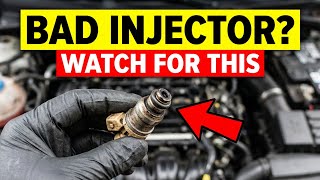
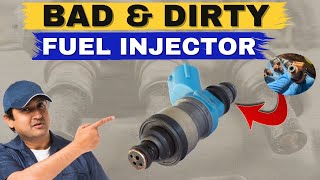
When a fuel injector starts to fail, it disrupts the engine's ability to run smoothly. You might notice one or more of these symptoms. 🎬 Watch: 13 common signs of a clogged fuel injector. Often, a failing injector will trigger a Check Engine Light. Common trouble codes include P0300 (random misfire) or codes for specific cylinders, like P0301 (Cylinder 1 misfire) or P0201 (Injector circuit malfunction for Cylinder 1).
- Rough Idle: The engine may shake or vibrate noticeably when the car is stopped. This happens because one or more cylinders isn't getting the right amount of fuel.
- Engine Misfires and Stuttering: You may feel a hesitation or sputtering during acceleration because the engine isn't producing power consistently.
- Poor Fuel Economy: If an injector is stuck open or leaking, it dumps too much fuel into the engine, causing you to use more gas than usual.
- Fuel Smell: A strong smell of raw fuel from the engine bay can indicate an external leak from a cracked injector body or a bad seal.
- Difficulty Starting: A clogged or failed injector can prevent enough fuel from reaching a cylinder, making the engine hard to start.
Don't Ignore a Flashing Check Engine Light
A steady Check Engine Light is a warning, but a flashing light indicates a severe misfire. This can dump unburnt fuel into the exhaust, potentially damaging your catalytic converter, which is a very expensive repair. It's best to stop driving if you see a flashing light.
Choosing the Right Aftermarket Fuel Injector

When shopping for new aftermarket injectors for your Golf, it's important to understand that not all brands are created equal. The quality can range from OEM-equivalent to parts that might fail prematurely. It is critical to buy the correct injector for your specific engine (2.0L, 1.8T, or TDI), as they are not interchangeable.
Brand Tiers for Your VW Golf
Tier 1: OEM-Equivalent Quality
- Bosch: Bosch is a primary original equipment manufacturer for Volkswagen. Choosing a Bosch aftermarket injector is often the same as buying the part from a VW dealer, just without the dealership price tag. They are known for reliability and precise manufacturing, making them a top choice.
Tier 2: Reputable Aftermarket Brands
- Delphi: Delphi is another major OEM supplier with a strong reputation. While more common in other European brands, their injectors are a solid, reliable choice for your Golf. They are known for robust design, though some sources say they can be sensitive to fuel contamination.
- Standard Motor Products (Standard Ignition): A well-respected aftermarket manufacturer that produces a wide range of reliable engine management components.
Tier 3: Economy Brands
- Vemo: Often seen as a budget-friendly option. Reviews are mixed; some users find them to be a good value, while others question their long-term reliability compared to OEM brands.
- GBR Fuel Injection (GB Remanufacturing): This brand primarily offers remanufactured injectors. While they provide a low-cost alternative, some user reviews report high out-of-box failure rates and premature failure down the road. Buying remanufactured parts can be a gamble, and for a critical part like a fuel injector, it may be wiser to invest in a new unit from a more reputable brand.
Should You Replace One or All Injectors?
If one injector has failed due to high mileage, the others may not be far behind. To ensure balanced fuel delivery and avoid another repair job soon, it's often recommended to replace all injectors at the same time, especially on higher-mileage vehicles. A VW technical bulletin notes that for warranty purposes, only the failed injector with a corresponding fault code should be replaced, but for a DIY repair, replacing the set provides peace of mind.
Cost of Replacing a Fuel Injector
The cost can vary widely based on the part brand you choose and whether you do the work yourself. The injectors for different engines (TDI, 1.8T, 2.0L) can also have very different prices.
| Item | Estimated Cost |
|---|---|
| New Aftermarket Fuel Injector (Each) | $56.80 - $453.07 |
| New OEM Fuel Injector (Each) | $150 - $500+ |
| Shop Labor Cost | $150 - $300 |
Frequently Asked Questions
Are there any recalls for 2001-2007 Golf fuel injectors?
No, searches of the NHTSA database did not show any fuel injector recalls specifically for the 2001-2007 model years. There were recalls for later model year Golfs with different engines for issues like cracking fuel injector lines or loose fuel rails, but these do not apply to the Mk4 generation.
Is replacing a fuel injector a DIY job?
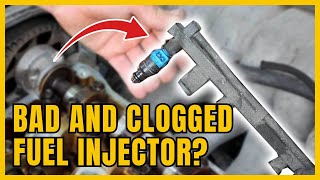
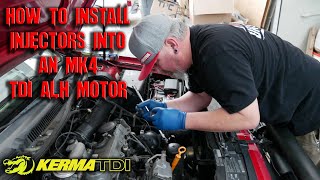
For a mechanically inclined person, yes. The job involves relieving fuel system pressure, disconnecting the battery, removing the fuel rail, and swapping the injectors. It requires care to avoid fuel spills and ensure the new injector seals are properly lubricated with engine oil before installation to prevent tearing. The difficulty is moderate. 🎬 See this step-by-step fuel injector replacement walkthrough. For TDI engines, the process can be more involved.
🎬 Watch: How to install new injectors on a TDI engine.Do I need special tools to replace a fuel injector?
For most gasoline engines (2.0L, 1.8T), standard mechanic's tools are usually sufficient. Sometimes an injector can be stuck, and a special puller tool might be helpful, but it's not always necessary. Some direct-injection models on later VWs require special tools, but this is less common on the Mk4 Golf's port-injected engines.
What's the most important thing to know before buying?
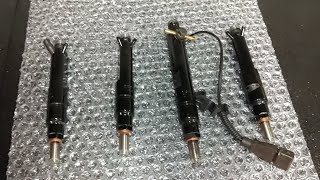
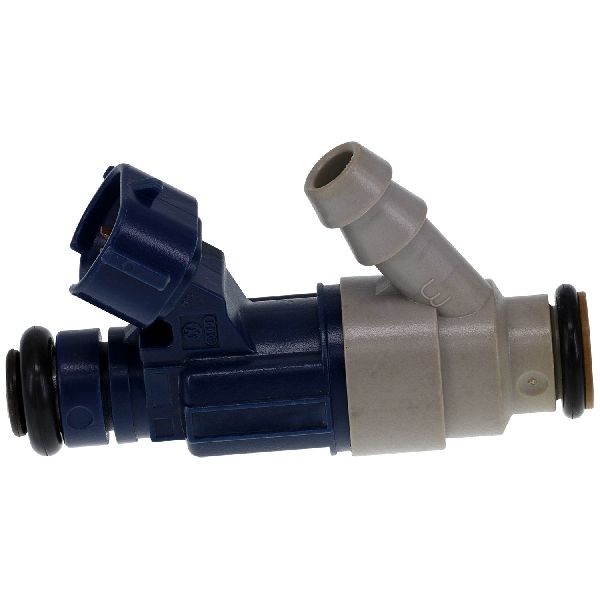
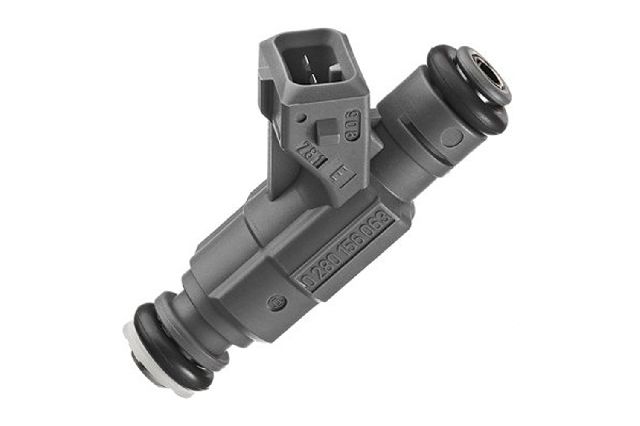
You MUST know which engine your Golf has. The 2.0L, 1.8T, and 1.9L TDI engines all use different fuel injectors. They are not interchangeable. Always verify the part fitment for your specific year and engine code before ordering.
Helpful Videos
Technical Specifications
OEM Part Numbers: 06F906036A 03L130277B 06F906036F 03L130277S 03G130073T
Fitment varies by engine. The 2.0L and 1.8T use port fuel injection, while the TDI uses a high-pressure direct injection system. Always verify part number against your vehicle's VIN or engine code.
We Have This Part in Stock


The information in this article is provided for general reference and educational purposes only. Vehicle specifications, procedures, and part compatibility can vary by production date, trim level, and region. Always consult your vehicle's factory service manual and verify part numbers before purchasing or performing repairs. Safety-critical components such as airbags, seat belts, and braking systems should be installed by a qualified professional.
- Volkswagen Golf:
- 🎬 Helpful Videos
- 🛍️ Shop This Part
- Signs of a Failing Fuel Injector
- Don't Ignore a Flashing Check Engine Light
- Choosing the Right Aftermarket Fuel Injector
- Brand Tiers for Your VW Golf
- Should You Replace One or All Injectors?
- Cost of Replacing a Fuel Injector
- Frequently Asked Questions
- 🎟️ Get 5% Off