

Guide to the 2001-2008 Toyota Highlander Automatic Transmission Mount
Feeling a clunk or vibration when you shift? Your transmission mount might be the culprit.
- A clunking noise when shifting is the most common symptom of a bad transmission mount on a 2001-2008 Highlander.
- Inspect all engine and transmission mounts at the same time; if one has failed, others are likely worn.
- Budget aftermarket mounts (Anchor, DEA) are cheaper but may increase cabin vibration compared to OEM or premium brands like Beck Arnley.
- When replacing the mount, you must safely support the weight of the transmission with a jack and a wood block.
Symptoms of a Failing Transmission Mount
When the rubber in the transmission mount wears out, cracks, or breaks, it can no longer do its job effectively. This leads to several noticeable symptoms. If you experience these, it's a good idea to inspect all of your engine and transmission mounts.
- Clunking or Thudding Noises: This is the most common sign. You may hear a loud clunk or bang from the engine bay when you shift from Park into Drive or Reverse. The noise can also happen during hard acceleration or braking as the transmission moves and hits other components.
- Excessive Vibration: A worn mount will transfer more vibration into the cabin. You might feel a deep vibration through the steering wheel, floor, or seats, especially when the Highlander is stopped but still in gear, like at a red light.
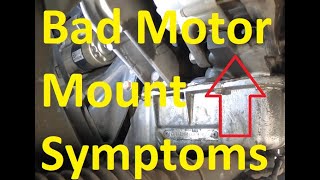
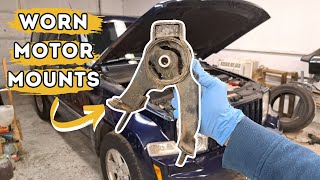
- Visible Movement: You can often see a bad mount in action. With the hood open and the parking brake on, have a helper stand safely to the side and watch the engine as you shift from Drive to Reverse. If the engine and transmission assembly rocks or lurches excessively, a mount has likely failed. 🎬 Watch: How to identify and test for failed mounts
Check All Your Mounts
The 2001-2008 Highlander has multiple engine and transmission mounts. A common failure point is the upper 'dogbone' mount on the passenger side. When one mount fails, it puts extra stress on the others, causing them to wear out faster. It is best practice to inspect all mounts at the same time.
Choosing the Right Aftermarket Part
For a vehicle like the first-generation Highlander, there is a noticeable difference in quality and performance between OEM and aftermarket mounts. Here’s how the available brands generally stack up.
Brand Quality Tiers
- Premium Aftermarket (Beck Arnley): Beck Arnley focuses on meeting OE specifications for form, fit, and function, often for import vehicles. While generally considered a higher-quality aftermarket option, some user forums report mixed results, with some experiencing vibrations or fitment issues. However, they are typically built with better materials than budget brands.
- Budget Aftermarket (Anchor, DEA, Pioneer Cable): Brands like Anchor and DEA are widely available and affordable. The main trade-off is comfort. These mounts often use a harder rubber compound (durometer) which can transmit more engine vibration into the cabin compared to the original part. While they will secure the transmission, you may notice an increase in harshness. Some users report a shorter lifespan for these parts.
A Note on Vibration
If a smooth, quiet ride is your top priority, using an original Toyota (OEM) mount is the surest bet. If you choose a budget aftermarket mount, be prepared for the possibility of increased vibration at idle. This is a common trade-off for the lower price.
Cost to Replace a Transmission Mount
| Part Type | Estimated Cost |
|---|---|
| New OEM (Dealer) | $190 - $280 |
| New Aftermarket | $73 - $89 |
| Shop Labor | $150 - $300 |
Cost estimates are for the transmission mount only and do not include other engine mounts. Prices are subject to change.
Frequently Asked Questions (FAQ)
Is it hard to replace the transmission mount myself?
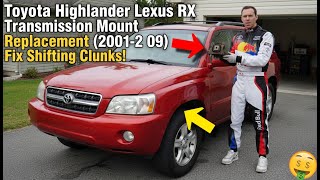
For a DIYer with some experience, this is a manageable job. It requires safely lifting the vehicle, supporting the transmission with a floor jack and wood block, and using basic hand tools like sockets and wrenches. The most critical part is ensuring the transmission is properly supported before removing the old mount.
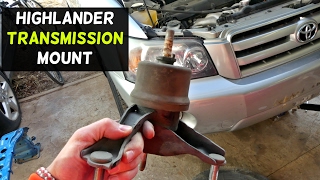
🎬 See this step-by-step transmission mount replacement walkthroughHow many transmission mounts does my Highlander have?
Your Highlander has one primary automatic transmission mount, located on the driver's side. However, it is part of a system of three to four mounts that secure the entire powertrain. These include a front mount, a rear mount, and an upper torque strut mount (often called a 'dogbone').
Should I replace all the mounts at once?
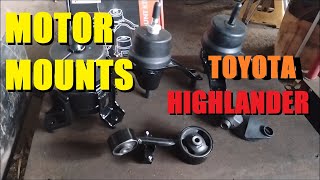
While you can replace just the failed mount, it's a good idea to replace them as a set 🎬 Watch: Complete guide to replacing all Highlander motor mounts if they are all original. Mounts tend to wear at a similar rate, and a new, stiff mount can put extra stress on the remaining old, soft ones. At a minimum, inspect all of them and replace any that show signs of cracking or excessive wear.
Are there any recalls for the 2001-2008 Highlander transmission mount?
No. Searches of the National Highway Traffic Safety Administration (NHTSA) database and other sources show no recalls or technical service bulletins (TSBs) specifically for the transmission or engine mounts on the 2001-2008 Toyota Highlander.
Helpful Videos
Technical Specifications
OEM Part Numbers: 12372-0H020 12372-28020 12372-0A040 12372-20080
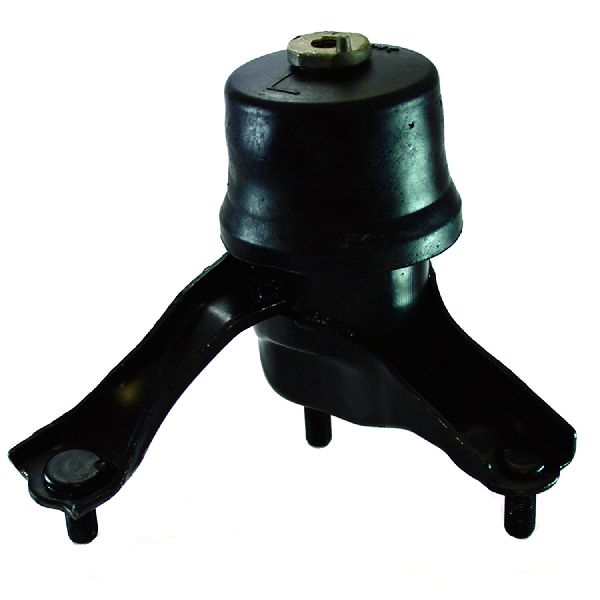
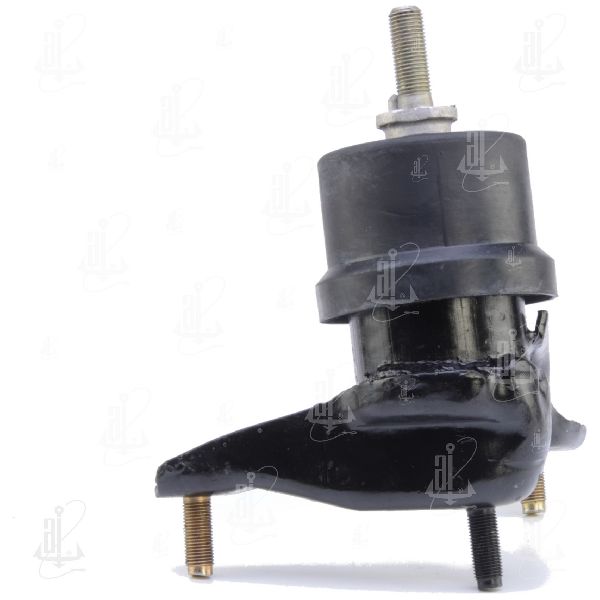
The automatic transmission mount for the 2001-2008 Toyota Highlander is located on the driver's side (left side) of the vehicle. Part numbers differ between the 2.4L 4-cylinder engine (e.g., 12372-28020, 12372-0H020) and the 3.0L/3.3L V6 engine (e.g., 12372-20080, 12372-0A040). Always verify the part number for your specific engine and drivetrain (FWD/AWD) before ordering.
We Have This Part in Stock


The information in this article is provided for general reference and educational purposes only. Vehicle specifications, procedures, and part compatibility can vary by production date, trim level, and region. Always consult your vehicle's factory service manual and verify part numbers before purchasing or performing repairs. Safety-critical components such as airbags, seat belts, and braking systems should be installed by a qualified professional.
- Toyota Highlander: