

Engine Torque Strut Mount Guide for the 2001-2008 Toyota Highlander
Address the common clunks and vibrations from your Highlander's engine by understanding and replacing this critical mount.
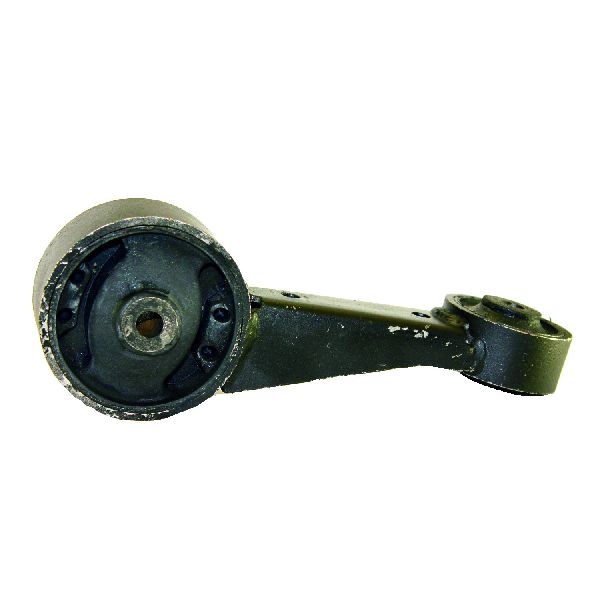
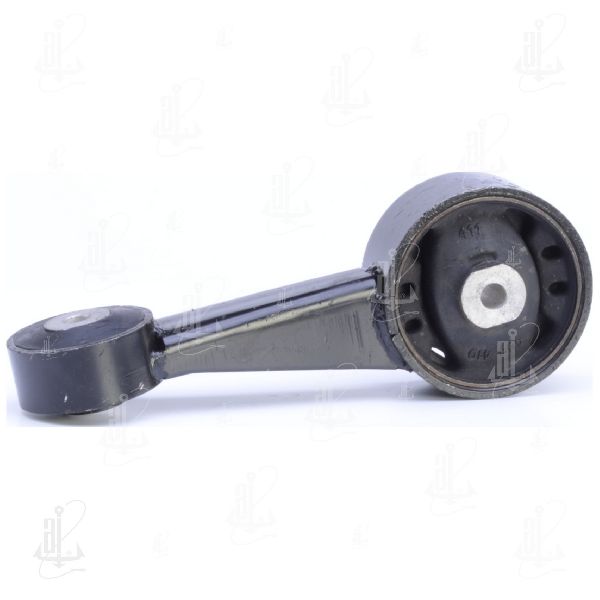
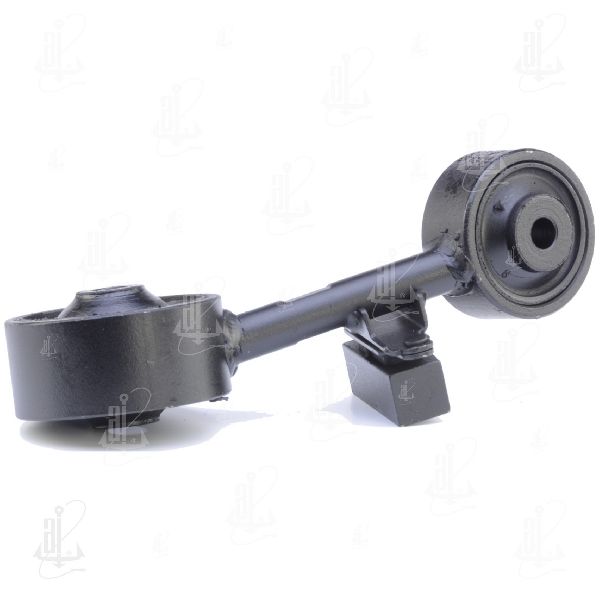
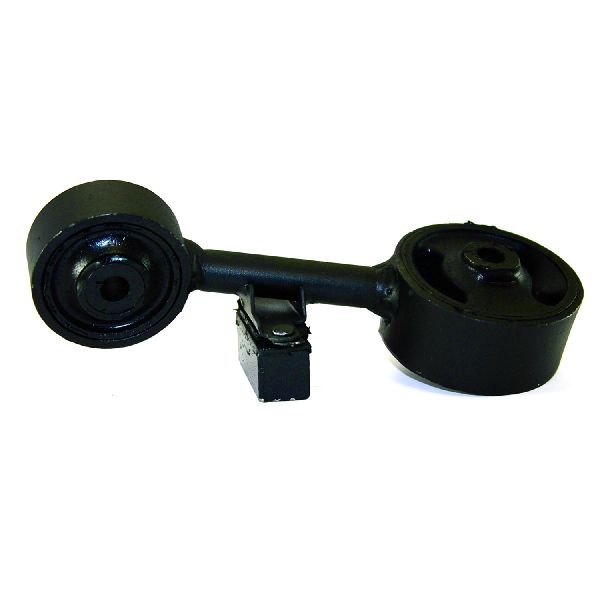
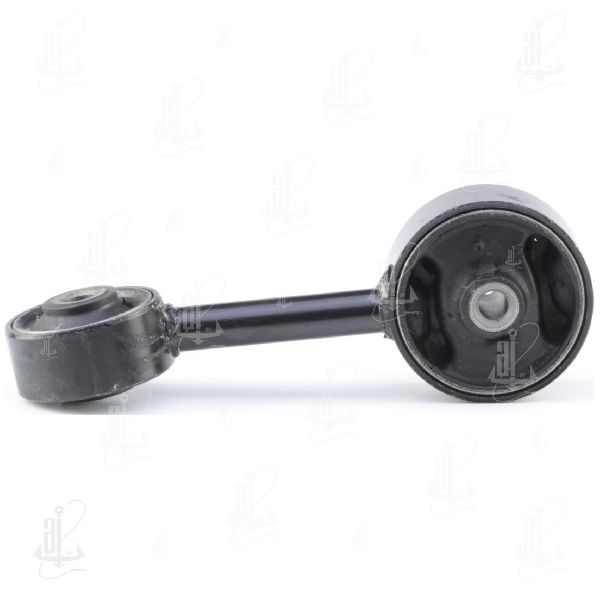
- The top engine torque strut mount ('dog bone') is a very common failure point on 2001-2008 Highlanders and is the likely cause of clunking noises when shifting.
- Replacement is extremely easy, requiring only basic tools to remove two bolts, making it a great DIY repair that takes less than 30 minutes.
- Aftermarket mounts from brands like Anchor, DEA, and Westar are affordable but may increase cabin vibration compared to the original part due to harder rubber.
- Driving with a failed mount is possible, but it puts extra stress on other expensive components and should be addressed promptly.
Is Your Highlander Clunking or Vibrating? Check This Mount First.

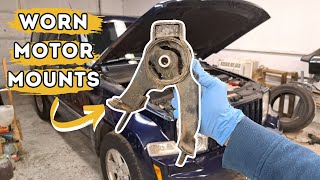
If you hear a 'clunk' or 'thud' when you shift from Park to Drive or feel a jolt when you accelerate, a bad engine torque strut mount is the most likely cause. This specific mount is a known common failure point on the 2001-2008 Highlander. Because it's easy to see and access on the top passenger side of the engine, it's the first place you should look. A visual inspection will often reveal cracked, torn, or degraded rubber inside the mount.
🎬 Watch: How to locate and identify a failing engine mount.Symptoms of a Failing Torque Strut Mount

- Clunking Noises: A distinct 'clunk' or 'thump' from the engine bay when you shift gears or get on and off the gas pedal.
- Excessive Vibration: You might feel more engine vibration in the steering wheel or cabin, especially when the car is stopped and in gear.
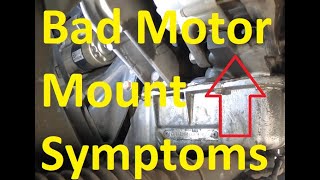
- Visible Engine Movement: With the hood open and the parking brake on, a helper can shift the car from Drive to Reverse. If you see the engine rock back and forth more than an inch or two, the mount is bad. 🎬 See a demonstration of these common motor mount failure symptoms.
Why Aftermarket Mounts Can Cause More Vibration
A frequent complaint from Toyota owners after installing aftermarket engine mounts is an increase in cabin vibration. This is because many aftermarket brands use a harder rubber compound than the original Toyota parts. While this makes the part cheaper to produce, the stiffer rubber is less effective at absorbing the engine's natural vibrations, transmitting them into the car's frame and steering wheel. For the smoothest, quietest ride, OEM is the benchmark.
Choosing the Right Aftermarket Mount for Your Highlander

When replacing the torque strut mount, you have a choice between OEM and several aftermarket brands. Here’s an honest breakdown:
- OEM (Original Equipment Manufacturer): Made by Toyota, this part offers a perfect fit and the correct rubber softness to absorb vibrations properly. It's the most expensive option but guarantees the original ride quality.
- Premium Aftermarket (e.g., Beck Arnley): Often considered a high-quality alternative to OEM, these parts aim to match the original fit and function closely. They can be a good balance of price and quality.
- Standard Aftermarket (e.g., Pioneer, Anchor, DEA, Westar): These brands offer a significant cost saving. Pioneer is sometimes regarded as a higher-quality option among budget brands. Anchor, DEA, and Westar are widely available but are often associated with increased cabin vibration due to harder rubber. For a part like the torque strut, which is easy to replace, a standard brand can be a reasonable choice if you're on a tight budget and can tolerate a potential increase in vibration.
Pro Tip: An Easy DIY Job
Replacing the top torque strut mount is one of the easiest repairs you can do on your Highlander. It's held on by just two bolts and doesn't require supporting the engine. This makes it an excellent DIY job for beginners, requiring only basic hand tools and about 10-20 minutes.
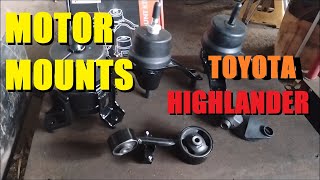
🎬 Watch this complete step-by-step motor mount replacement guide.Cost to Replace a 2001-2008 Highlander Torque Strut Mount

| Part Type | Estimated Cost |
|---|---|
| New Aftermarket Part | $38.97 - $68.56 |
| New OEM Part (Estimate) | $90 - $175 |
| Shop Labor (Estimate) | $50 - $100 |
Frequently Asked Questions (FAQ)
Is it safe to drive with a bad torque strut mount?
Yes, but it should be fixed soon. A failed torque strut mount won't cause the engine to fall out, but it does put extra stress on the other engine and transmission mounts, as well as components like exhaust pipes and hoses, which can lead to more expensive repairs.
Will a bad torque strut mount cause a Check Engine Light?
Generally, no. The symptoms are physical and audible (noises and vibrations), not electronic, so it will not trigger a check engine light.
Are there any recalls for this part on my Highlander?
No, there are no recalls or major Technical Service Bulletins (TSBs) from Toyota or the NHTSA specifically for engine mount failure on the 2001-2008 Highlander.
Should I replace other engine mounts at the same time?
While you can replace just the failed torque strut, keep in mind that all mounts wear out over time. If the torque strut has failed, the other mounts have been subjected to extra stress. It's a good idea to inspect the other mounts, especially the front hydraulic mount, for signs of wear or leaking fluid.
Helpful Videos
Technical Specifications
OEM Part Numbers: 12363-28120 12363-28020 12363-0A070
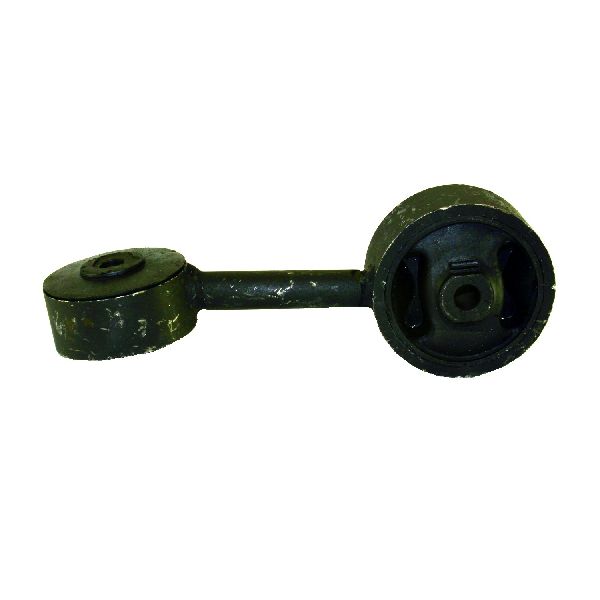
Also known as a 'dog bone' mount or engine pitch stopper. It connects the top of the engine to the vehicle's chassis/firewall area to control rotational movement. It consists of a metal body with rubber bushings at each end.
We Have This Part in Stock

The information in this article is provided for general reference and educational purposes only. Vehicle specifications, procedures, and part compatibility can vary by production date, trim level, and region. Always consult your vehicle's factory service manual and verify part numbers before purchasing or performing repairs. Safety-critical components such as airbags, seat belts, and braking systems should be installed by a qualified professional.
- Toyota Highlander:
- 🎬 Helpful Videos
- 🛍️ Shop This Part
- Is Your Highlander Clunking or Vibrating? Check This Mount First.
- Symptoms of a Failing Torque Strut Mount
- Why Aftermarket Mounts Can Cause More Vibration
- Choosing the Right Aftermarket Mount for Your Highlander
- Pro Tip: An Easy DIY Job
- Cost to Replace a 2001-2008 Highlander Torque Strut Mount
- Frequently Asked Questions (FAQ)
- 🎟️ Get 5% Off