

Toyota Highlander Oxygen Sensor Guide for 2001-2008 Models
Everything you need to know before replacing an oxygen sensor on your first-generation Toyota Highlander.
- For best results and to avoid issues, use an OEM-equivalent brand like Denso or NGK/NTK.
- Confirm the exact number of sensors and the specific location (e.g., Bank 1 Sensor 2) before ordering a part.
- Use a dedicated oxygen sensor socket and penetrating oil for removal, as sensors are often seized by rust.
- A failing oxygen sensor will decrease fuel economy and can eventually damage the much more expensive catalytic converter.
Symptoms of a Failing Oxygen Sensor

When an oxygen sensor starts to fail, your Highlander will give you clear signs. The most common is the Check Engine Light on your dashboard. You might also notice your fuel economy getting worse, a rough or uneven idle, and a general sluggish feeling when you accelerate. In some cases, you might smell a 'rotten egg' odor from the exhaust, which indicates a problem that could damage your catalytic converter over time.
🎬 Watch: 7 symptoms of a bad oxygen sensor you shouldn't ignore.Don't Ignore the Check Engine Light
While you can still drive with a bad oxygen sensor, it's not recommended for long. Ignoring it leads to burning more fuel and can cause expensive damage to your catalytic converter, a much costlier repair.
Choosing the Right Aftermarket Oxygen Sensor

For Toyota vehicles, the original factory (OEM) sensor is made by Denso. This is the most important fact to know when shopping for a replacement. Aftermarket brands offer a range of quality and price.
- Tier 1 (OEM Equivalent): Denso and NGK (also known as NTK). These are Japanese brands that are original equipment suppliers for Toyota and other Japanese automakers. Choosing a Denso aftermarket sensor is essentially buying the same part that came on your Highlander from the factory, ensuring perfect fit and function. Forum users and mechanics strongly recommend sticking with these brands for Toyotas to avoid compatibility issues.
- Tier 2 (High-Quality Aftermarket): Bosch and Delphi. Bosch is a massive German parts supplier that invented the oxygen sensor. While they make high-quality parts, some Toyota owners report occasional issues when using non-Japanese sensors. They are generally a safe bet but Denso or NGK are the preferred choice.
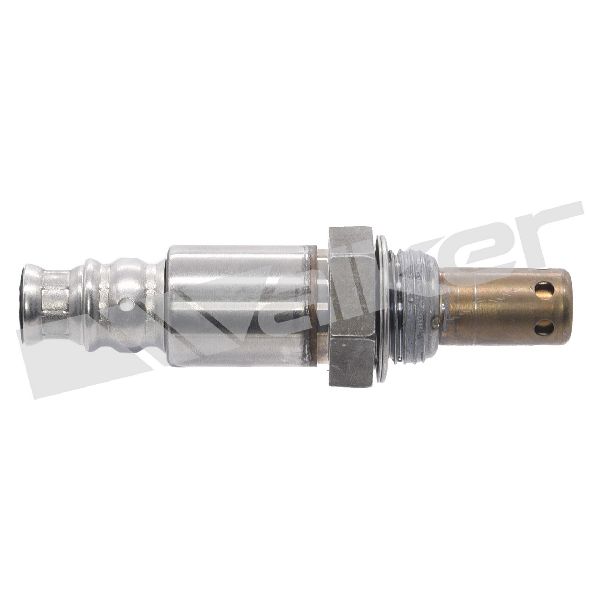
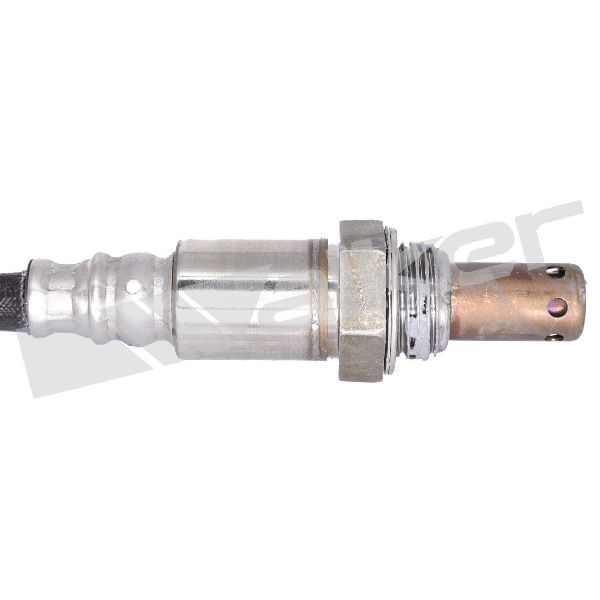
- Tier 3 (Economy): Walker Products, Spectra, DriveWire. These brands offer a more budget-friendly option. They can work fine, but their lifespan and performance may not match the higher-tier brands. They are a suitable choice if budget is the primary concern, but be aware you may be replacing them again sooner.
Direct-Fit vs. Universal
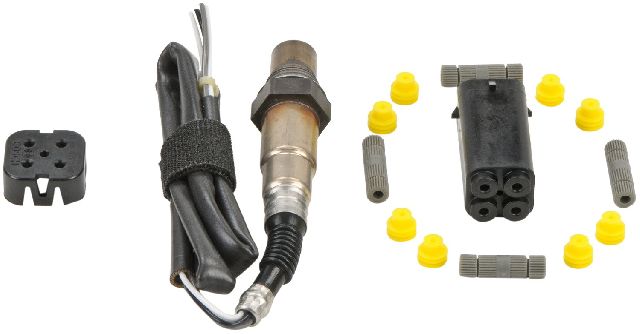
Always choose a 'Direct-Fit' sensor. These come with the correct electrical connector for your Highlander, making installation a simple plug-and-play process. 'Universal' sensors require you to cut and splice wires, which can lead to connection failures and is not recommended.
How Many Sensors Does My Highlander Have?

This is a common point of confusion. The number depends on your engine:
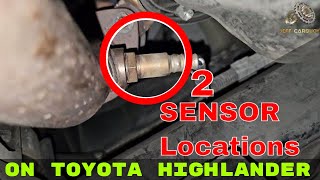
- 3.0L V6 (1MZ-FE, 2001-2003): These early models can have as few as two sensors, both upstream (Air/Fuel ratio sensors).
- 2.4L 4-Cylinder (2AZ-FE, 2001-2007): These models typically have four sensors: two upstream and two downstream.
- 3.3L V6 (3MZ-FE, 2004-2007): These models have four sensors: two upstream and two downstream.
Before buying, it is critical to confirm the sensor's location (e.g., 'Bank 1, Sensor 1' or 'Bank 2, Sensor 2') from the diagnostic trouble code.
Cost of Replacing a Toyota Highlander Oxygen Sensor
The cost depends on the brand you choose and whether you do the work yourself. Denso and NGK sensors typically cost more than economy brands but are cheaper than dealer OEM parts.
| Item | Estimated Cost |
|---|---|
| New OEM (Dealer) | $120 - $280 per sensor |
| New Aftermarket (Tier 1) | $75 - $150 per sensor |
| New Aftermarket (Economy) | $25 - $70 per sensor |
| Shop Labor | $100 - $200 per sensor |
Frequently Asked Questions

What tools do I need to replace an oxygen sensor?
You will need a special tool called an oxygen sensor socket, which has a slit on the side for the wire. You will also need a ratchet and possibly a breaker bar. Because these sensors are often rusted in place, it's a good idea to have penetrating oil (like PB Blaster or WD-40) to spray on the threads beforehand. In difficult cases, a torch may be needed to heat the exhaust pipe to help break the sensor free.
🎬 Watch a step-by-step oxygen sensor replacement on a Toyota Highlander.What's the difference between Bank 1 and Bank 2?
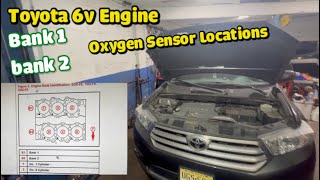
On a V6 engine, the cylinders are arranged in two 'banks'. For the Toyota Highlander's transverse (sideways) mounted engine, Bank 1 is the set of cylinders closer to the firewall (the back of the engine bay), and Bank 2 is closer to the radiator (the front). 🎬 See this video to locate Bank 1 and Bank 2 sensors. A 4-cylinder engine only has one bank (Bank 1).
What's the difference between Sensor 1 and Sensor 2?
Sensor 1 is the 'upstream' sensor, located before the catalytic converter. It is also called the Air/Fuel Ratio sensor. Sensor 2 is the 'downstream' sensor, located after the catalytic converter.
Are there any recalls for the oxygen sensors on this Highlander?
No. While there have been recalls for the 2001-2008 Highlander for other issues like fuel vapor nozzles and brake master cylinders, there have been no specific recalls issued by Toyota or the NHTSA for oxygen sensor failure.
Helpful Videos
![Bad O2 Sensor Symptoms Downstream & Upstream [Oxygen Sensor Failure and Causes] How to fix & Replace](https://img.youtube.com/vi/b-xxdBlikSA/mqdefault.jpg)

Technical Specifications
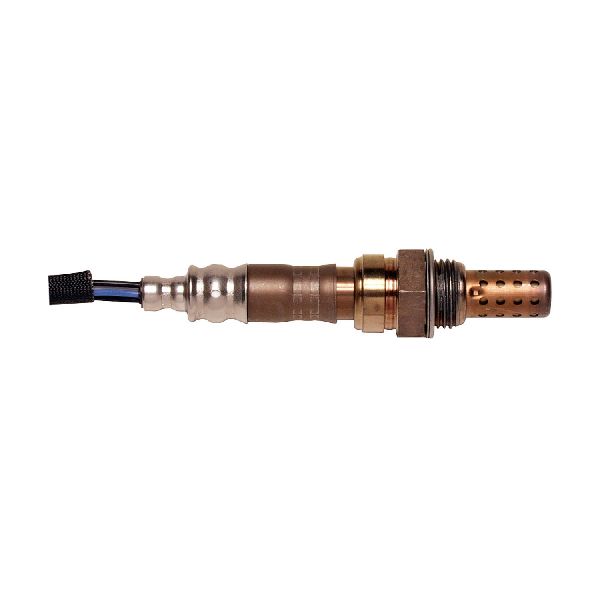
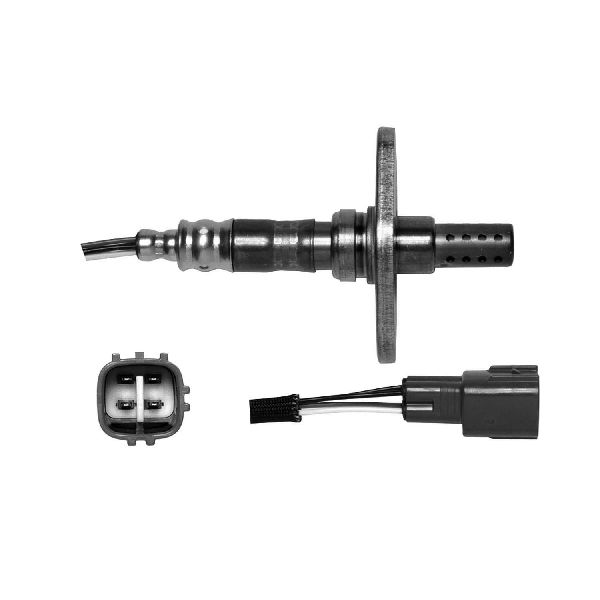
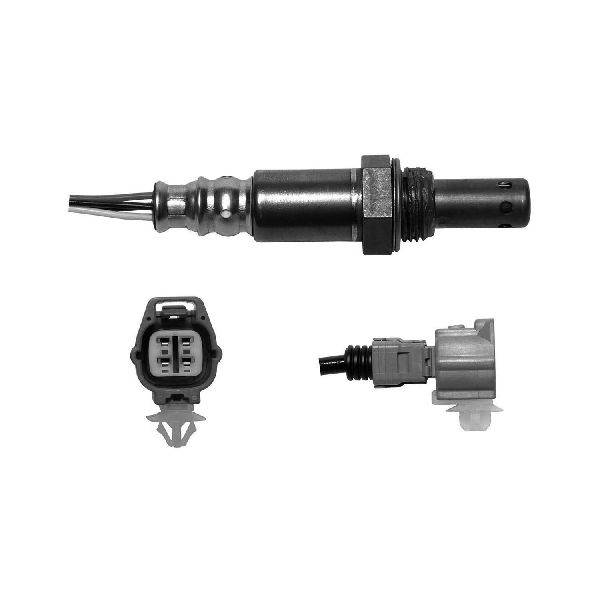
OEM Part Numbers: 89465-48060 89465-49075 234-9009 234-4668
Varies by engine (2.4L I4 or 3.0L/3.3L V6) and sensor location (Upstream Air/Fuel Ratio vs. Downstream Oxygen Sensor). Always purchase a direct-fit sensor with the correct connector to match your vehicle's specific year, engine, and sensor position.
We Have This Part in Stock

The information in this article is provided for general reference and educational purposes only. Vehicle specifications, procedures, and part compatibility can vary by production date, trim level, and region. Always consult your vehicle's factory service manual and verify part numbers before purchasing or performing repairs. Safety-critical components such as airbags, seat belts, and braking systems should be installed by a qualified professional.
- Toyota Highlander:
- 🎬 Helpful Videos
- 🛍️ Shop This Part
- Symptoms of a Failing Oxygen Sensor
- Don't Ignore the Check Engine Light
- Choosing the Right Aftermarket Oxygen Sensor
- Direct-Fit vs. Universal
- How Many Sensors Does My Highlander Have?
- Cost of Replacing a Toyota Highlander Oxygen Sensor
- Frequently Asked Questions
- 🎟️ Get 5% Off