

A/C Receiver Drier Guide for the 2001-2008 Toyota Sequoia
Keep your Sequoia's A/C blowing ice-cold by understanding this small but essential part.
- The receiver drier must be replaced every time the A/C system is opened for repairs.
- Denso is the Original Equipment (OE) supplier and is the recommended brand for best performance and fit.
- Replacement requires specialized A/C equipment to recover and recharge refrigerant, making it a job for a professional shop.
- Symptoms of failure include poor cooling, rattling noises, and musty smells from the vents.
Is Your Sequoia's A/C Not Cooling?
If your 2001-2008 Toyota Sequoia's air conditioning isn't as cold as it used to be, a failing A/C receiver drier could be the problem. This component is a critical part of the A/C system, but it's often overlooked. Understanding its function and failure signs can save you from more expensive repairs down the road.
Symptoms of a Bad A/C Receiver Drier
A failing receiver drier can cause several noticeable issues. Look out for these common signs:
- Poor Cooling Performance: The most obvious symptom is warm or lukewarm air coming from your vents. A clogged drier restricts refrigerant flow, preventing the system from cooling properly.
- Rattling Noises: If you hear rattling from the engine bay when the A/C is on, it could mean the internal components of the drier have broken apart.
- Moldy Smell: A musty or moldy odor from the vents can indicate that the drier is saturated and can no longer remove moisture, allowing mold and mildew to grow in the system.
- Visible Refrigerant Leaks: While less common, you might see oily residue on the drier itself or its connections.
- Frost on A/C Parts: A severely clogged drier can cause a rapid pressure drop, leading to frost forming on the drier or connected lines.
Check This First!
Before suspecting the receiver drier, check the A/C clutch relay. On first-generation Sequoias, a faulty relay is a very common reason for the A/C compressor not turning on. This is a much simpler and cheaper fix to investigate first.
Choosing the Right Aftermarket Drier
For the 2001-2008 Sequoia, you have a few good aftermarket options. Since this part must be replaced anytime the A/C system is opened, choosing a quality part is important for long-term reliability.
Brand Quality Tiers
- Tier 1 (OEM Quality): Denso
Denso is the original equipment (OE) supplier for Toyota, meaning they made the part that was installed in your Sequoia at the factory. Choosing a Denso-branded receiver drier is the closest you can get to buying the part from a Toyota dealer. They are known for excellent quality, perfect fit, and long-lasting durability. - Tier 2 (Standard Aftermarket): Four Seasons & Global Parts (GPD)
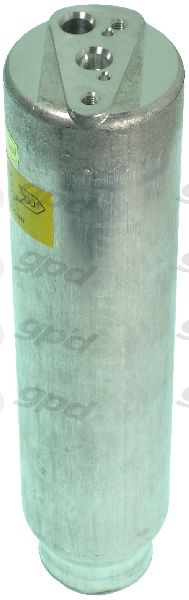
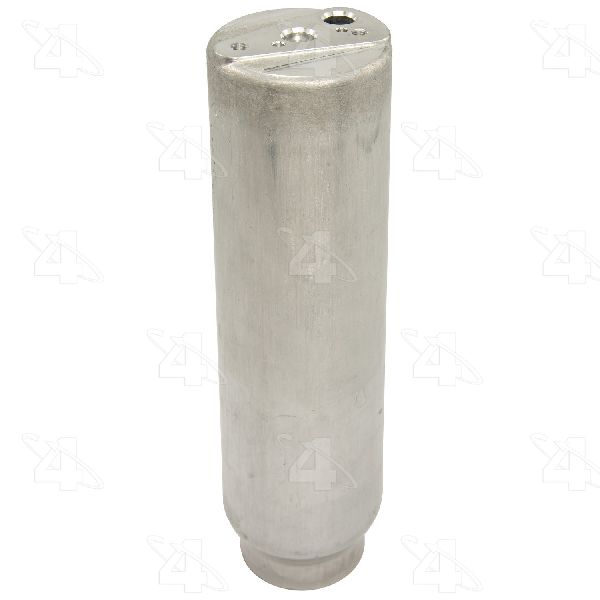
Four Seasons and GPD are well-known aftermarket brands that offer a more budget-friendly alternative. These parts are designed to be direct-fit replacements and meet original specifications. While many owners use these brands without issues, they are generally not considered to have the same level of long-term reliability as Denso. They are a good choice if you are on a tighter budget, especially when replacing other major A/C components at the same time.
Replacement Cost for 2001-2008 Toyota Sequoia
The total cost depends on whether you do the work yourself (not recommended for most) or go to a professional shop. The job requires special equipment to handle the refrigerant safely.
| Part/Service | Estimated Cost |
|---|---|
| New Aftermarket Drier | $22.90 - $49.43 |
| New OEM Drier | $163 - $217 |
| Shop Labor & Recharge | $249 - $366 |
| Total Professional Job | $413 - $583 |
Frequently Asked Questions
When should the A/C receiver drier be replaced?
The receiver drier must be replaced any time the A/C system is opened to the atmosphere. This includes jobs like replacing the compressor, condenser, or an A/C hose. It should also be replaced if it has become clogged or saturated with moisture.
Can I replace the receiver drier myself?
This is not a recommended DIY job for beginners. The process requires recovering refrigerant from the system before starting and then putting the system under a deep vacuum and recharging it with a precise amount of refrigerant afterward. This requires specialized and expensive A/C service equipment. Failure to do this correctly will result in poor performance and potential damage.
What is the 'desiccant' inside the drier?
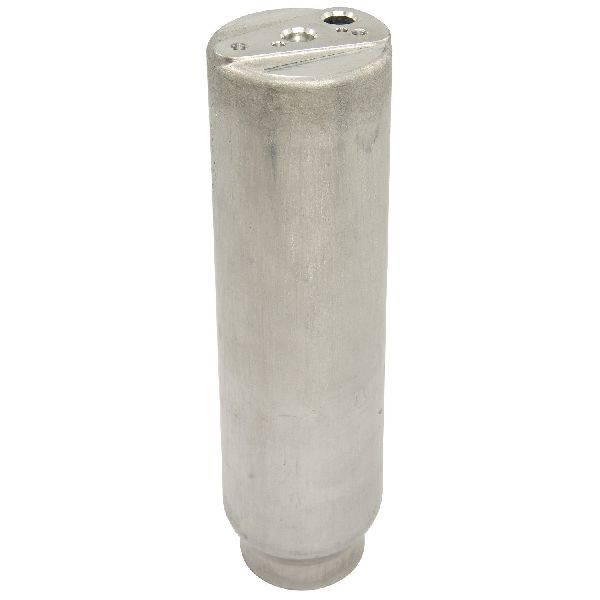
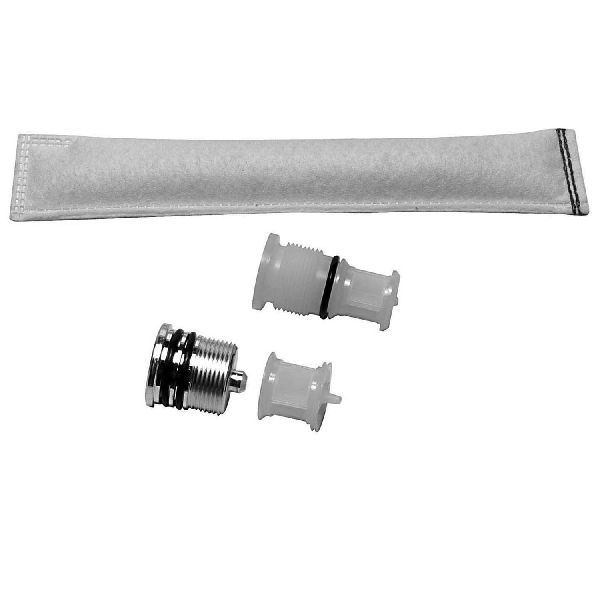
Desiccant is a material, like silica gel, that absorbs and holds moisture. The desiccant pack inside the receiver drier is what pulls water out of the refrigerant, preventing it from forming corrosive acids or ice crystals in the system. Over time, this material becomes saturated and can no longer absorb moisture, which is why the drier is a routine replacement item during A/C service.
Do aftermarket receiver driers come with new O-rings?
Most quality aftermarket driers, especially from brands like Denso, will include the necessary O-rings for installation. However, it's always a good idea to verify this when purchasing. It is critical to replace the old O-rings and lubricate the new ones with the correct A/C oil to ensure a proper seal.
Technical Specifications
OEM Part Numbers: 88471-34010
This part is also known as a filter drier. It is located on the high-pressure side of the A/C system, typically mounted to or near the A/C condenser.
We Have This Part in Stock

The information in this article is provided for general reference and educational purposes only. Vehicle specifications, procedures, and part compatibility can vary by production date, trim level, and region. Always consult your vehicle's factory service manual and verify part numbers before purchasing or performing repairs. Safety-critical components such as airbags, seat belts, and braking systems should be installed by a qualified professional.
- Toyota Sequoia: