

Engine Coolant Temperature Sensor Guide for 2001-2009 Chevrolet Express 3500
Keep your workhorse van running right by understanding, diagnosing, and replacing a faulty engine coolant temperature sensor.
- A failing ECT sensor can cause poor fuel economy, black smoke, overheating, and trigger the check engine light with codes like P0117 or P0118.
- For best results, choose an OEM-level brand like ACDelco or Delphi for this critical sensor.
- The sensor is located on the driver's side cylinder head and is a feasible DIY replacement for most owners with basic tools.
- Do not ignore symptoms, as a bad sensor can lead to long-term engine or exhaust system damage.
Symptoms of a Failing Coolant Temperature Sensor
A bad ECT sensor can cause a surprising number of problems in your Express 3500. Because the engine's computer relies on this sensor for so much information, a false signal can lead to poor performance. You might notice one or more of these issues:
- Check Engine Light: This is often the first sign. The computer will log fault codes like P0117 (signal too low), P0118 (signal too high), or P0128 (thermostat/coolant temp issue).
- Poor Fuel Economy: If the sensor wrongly tells the computer the engine is cold, the computer will enrich the fuel mixture, causing the van to use more gas than necessary.
- Black Smoke from Exhaust: A very rich fuel mixture from a bad sensor signal can result in unburnt fuel burning in the exhaust, creating black smoke.
- Engine Overheating or Running Cool: A faulty sensor can fail to trigger the cooling fans when needed, leading to overheating. Conversely, it might make the fans run constantly, preventing the engine from reaching its ideal operating temperature.
- Hard Starting: Especially when the engine is warm, a bad sensor might create a fuel mixture that makes it difficult for the engine to start.
- Erratic Temperature Gauge: The gauge on your dashboard might read incorrectly, showing the engine is hot when it's cold, or vice-versa. It may also fluctuate wildly.
Choosing the Right Aftermarket Sensor
When it comes to sensors, quality matters. While many brands are available, they generally fall into a few tiers for your Express van.
Brand Quality Tiers
| Tier | Brands | Why |
|---|---|---|
| OEM / Premium Aftermarket | ACDelco, Delphi | ACDelco is the original equipment manufacturer (OEM) for GM. Delphi is also a major OEM supplier with a strong reputation for quality electronics. Choosing one of these is the safest bet for reliability and a perfect fit, and many owners recommend paying a little extra for the peace of mind. |
| Quality Aftermarket | NGK/NTK, Standard Motor Products (SMP) | These brands have a long history of producing reliable aftermarket parts. Standard Motor Products, in particular, is a well-regarded manufacturer that often supplies parts to other brands. They are a solid choice if an OEM part isn't available or if you're looking for a good balance of price and quality. |
| Value Brands | Four Seasons, Walker, Holstein, etc. | These brands offer a more budget-friendly option. While they can work fine, the consistency and longevity might not match the higher-tier brands. For a critical sensor like the ECT, it's often worth spending a bit more to avoid having to do the job twice. |
Known Issues, Recalls, or TSBs
My search of the National Highway Traffic Safety Administration (NHTSA) database and Technical Service Bulletins (TSBs) did not find any specific recalls or widespread TSBs for the engine coolant temperature sensor itself on the 2001-2009 Chevrolet Express 3500. However, a TSB from 2018 (affecting some other GM models) mentions DTC P111E, which is related to the ECT sensor. The fix involved checking connector terminals and updating the ECM software, highlighting the importance of a good electrical connection.
A Note on Installation
On the V8 engines in these vans (like the 4.8L, 5.3L, and 6.0L), the ECT sensor is located on the driver's side cylinder head, near the front of the engine and below the exhaust manifold. It can be accessed from the side wheel well. The job is straightforward for a DIYer with basic tools, but be prepared for some coolant to spill out. Have the new sensor ready to swap in quickly to minimize fluid loss. Always work on a cool engine.
Cost of Replacing the Engine Coolant Temperature Sensor
| Item | Estimated Cost |
|---|---|
| New Aftermarket Part | $12 - $50 |
| New OEM Part (ACDelco) | $25 - $60 |
| Shop Labor | $75 - $150 |
| Total Professional Replacement | $100 - $210 |
Frequently Asked Questions
Where is the ECT sensor located on my Express 3500?
For the common V8 gasoline engines (4.8L, 5.3L, 6.0L), the sensor is on the driver's side of the engine, threaded into the cylinder head between the first and third spark plugs, often below the exhaust manifold. Access is typically easiest through the driver's side front wheel well.
Do I have to drain the coolant to replace the sensor?
You don't have to drain the entire system, but some coolant will leak out when you remove the old sensor. To minimize the mess, work quickly. Have the new sensor in your hand, ready to thread in as soon as the old one comes out. Place a drain pan underneath to catch any spills.
What tools do I need for the replacement?
You will typically need a deep well 19mm (or 3/4 inch) socket, a ratchet, and possibly a socket extension. It's also wise to have a drain pan and some rags ready. The job is considered relatively easy for DIYers.
What happens if I ignore a bad ECT sensor?
Ignoring it can lead to more serious problems. Continuously running a rich fuel mixture can foul spark plugs and damage the catalytic converter over time. More critically, if the sensor fails to detect an overheating engine, it can lead to severe and expensive engine damage like a blown head gasket or warped cylinder head.
Technical Specifications
OEM Part Numbers: 12608814 19236568 213-4514
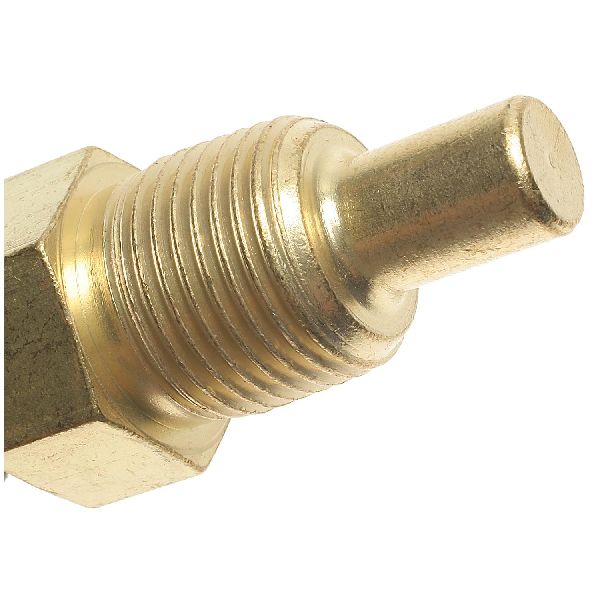
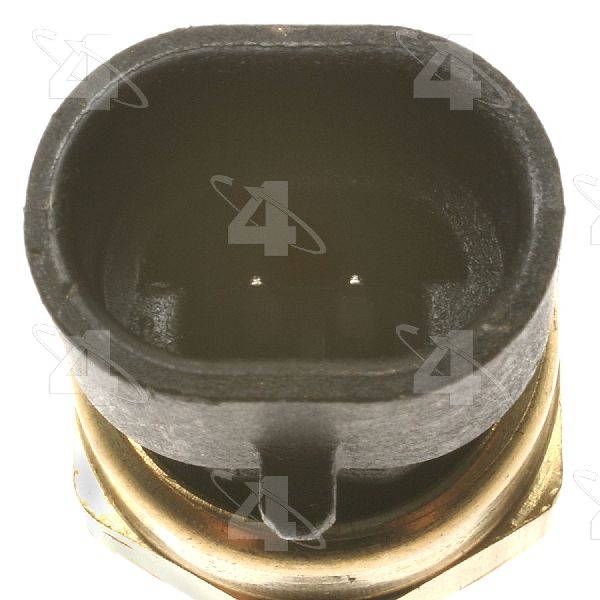
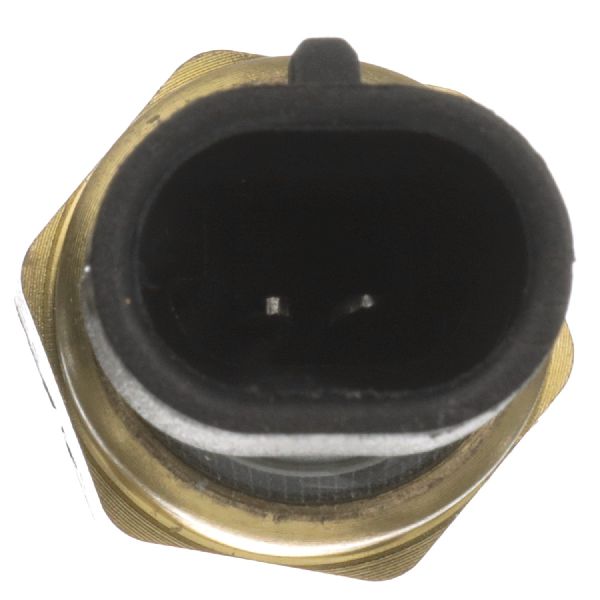
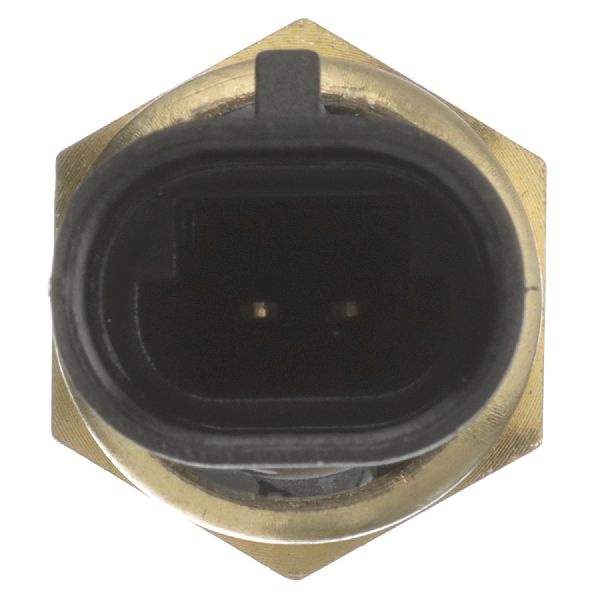
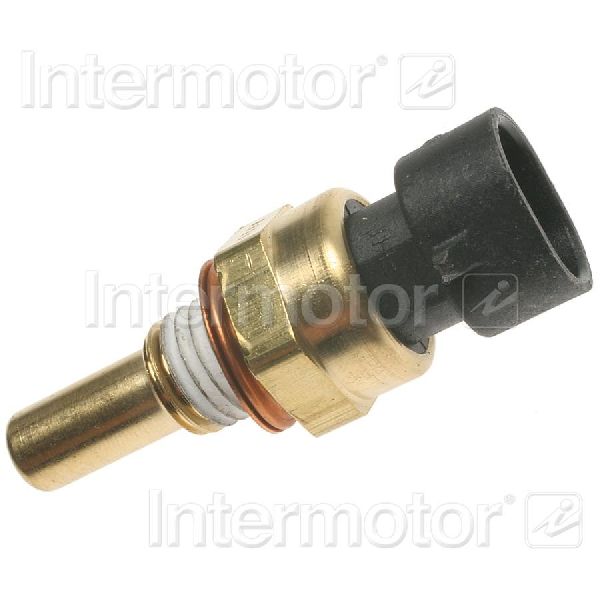
Typically a two-wire thermistor sensor with a 3/8" NPT thread, located on the driver-side cylinder head. The correct socket size for removal is a deep 19mm.
We Have This Part in Stock


The information in this article is provided for general reference and educational purposes only. Vehicle specifications, procedures, and part compatibility can vary by production date, trim level, and region. Always consult your vehicle's factory service manual and verify part numbers before purchasing or performing repairs. Safety-critical components such as airbags, seat belts, and braking systems should be installed by a qualified professional.
- Chevrolet Express 3500: