

Ford F-250 Throttle Position Sensor Guide for 2001-2009 Models
If your F-250 has a rough idle, poor acceleration, or bad shifting, the throttle position sensor could be the problem.
- Verify if your F-250 has a gas engine (TPS) or a diesel engine (APPS) before ordering.
- Symptoms include poor acceleration, rough idle, and incorrect transmission shifting.
- High-quality aftermarket brands like NGK and Standard Ignition are reliable alternatives to OEM.
- Replacement is a simple DIY job that takes less than an hour with basic tools.
Understanding the F-250's Throttle Sensor: TPS vs. APPS
Before buying a new part, it's important to know what your truck uses. The 2001-2009 Ford F-250 came with different engines, and they use different types of throttle sensors.
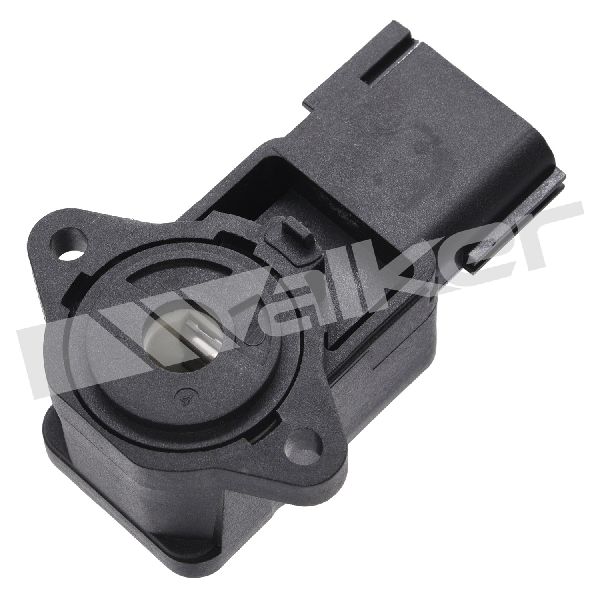
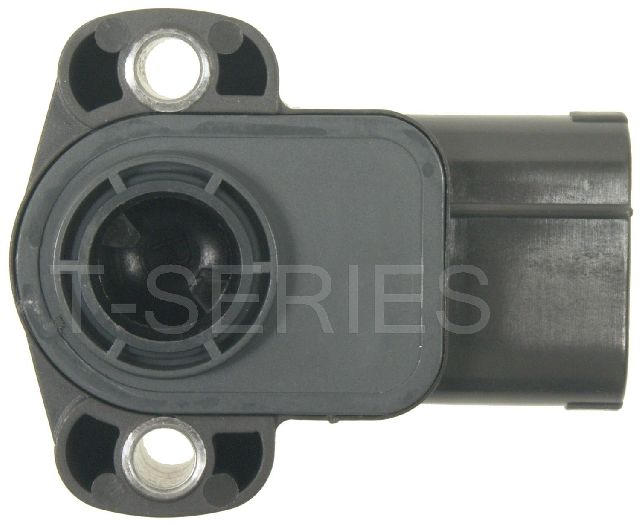
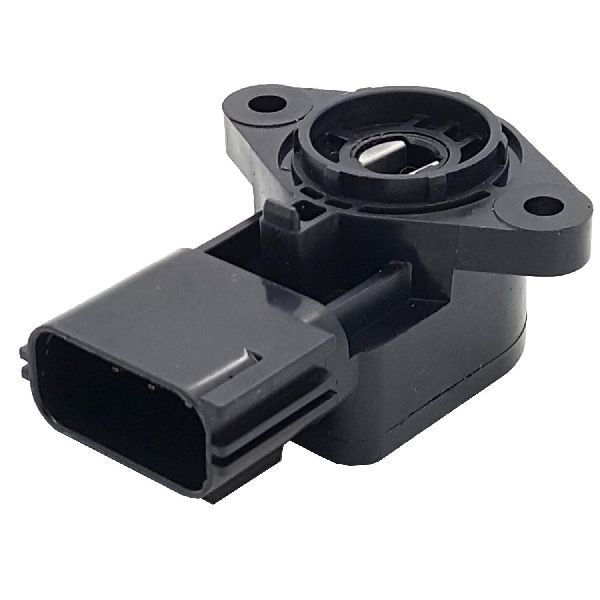
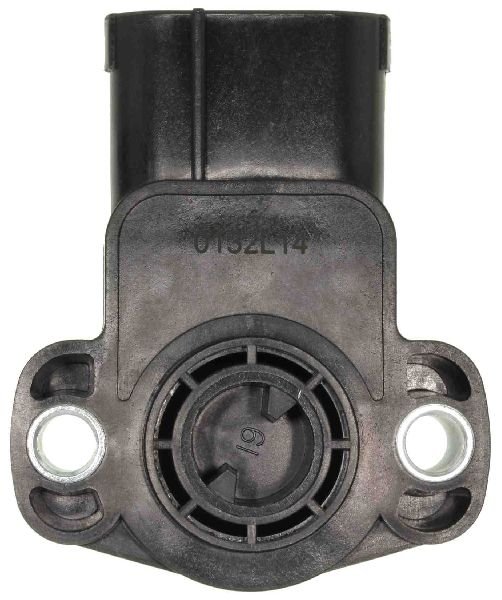
- Gas Engines (5.4L V8, 6.8L V10): These engines typically use a traditional Throttle Position Sensor (TPS). It's a small sensor mounted directly on the side of the throttle body. It has a rotating internal part that tracks the movement of the throttle plate.
- Diesel Engines (7.3L, 6.0L Power Stroke): These engines use an "electronic throttle" or "drive-by-wire" system. Instead of a TPS on a throttle body, they have an Accelerator Pedal Position Sensor (APPS). This sensor is part of the gas pedal assembly itself. When you press the pedal, you're moving the sensor, which tells the computer how much power to deliver.
Pro Tip: Always double-check if your truck needs a throttle body-mounted TPS (common on gas engines) or a complete accelerator pedal assembly with an integrated APPS (common on diesel engines). Ordering the wrong part is a common mistake.
Choosing the Right Aftermarket Throttle Position Sensor
When your original sensor fails, you have a choice between dealership parts (OEM) and aftermarket parts. For a critical sensor like the TPS/APPS, quality matters. Sticking with a well-known aftermarket brand is often a good balance of price and reliability. Forum users often recommend sticking to OEM (Motorcraft) for sensors to avoid issues, but good quality aftermarket options are available.
Aftermarket Brand Tiers for F-250 Sensors
Based on general reputation and user feedback, aftermarket brands can be grouped into tiers:
- Top-Tier Aftermarket (Good Reputation): Brands like NGK/NTK and Standard Ignition (SMP) are often considered reliable, OE-quality alternatives. They manufacture a wide range of sensors and are known for meeting original specifications.
- Mid-Tier Aftermarket (Value-Oriented): Brands like Walker Products and Motorad offer a more budget-friendly option. They produce parts that meet or exceed OEM standards and are widely available. While some users have good experiences, others prefer to stick with higher-tier brands for critical sensors.
- Entry-Level/Store Brands: Brands like True Tech fall into the economy category. While they offer the lowest price, they may not have the same long-term durability or precise calibration as higher-end options. For a part that directly controls your engine and transmission, it's often worth spending a little more for a better-known brand.
A Note on OEM vs. Aftermarket
Many experienced mechanics and F-250 owners on forums strongly suggest using the original Ford (Motorcraft) part for electronic sensors. They argue that aftermarket sensors can sometimes cause strange performance issues, even if they are new. However, a high-quality aftermarket part from a brand like NGK or Standard Ignition is generally a dependable choice if an OEM part is not available or is too expensive.
Installation & Cost
Replacing the TPS or APPS on a 2001-2009 F-250 is a straightforward job for a DIYer with basic tools.
| Item | Cost / Time |
|---|---|
| Aftermarket Part Cost | $38.44 - $111.65 |
| Shop Labor Cost | $72 - $105 |
| DIY Time Estimate | 0.5 - 1.0 hours |
| DIY Difficulty | Easy |
For gas engines, the TPS is usually held on by two screws on the throttle body. 🎬 See this easy walkthrough for replacing a gas engine TPS For diesel engines, the entire accelerator pedal assembly is unbolted from under the dash. No special programming is usually needed after replacement.
Frequently Asked Questions (FAQ)
Are there any recalls or TSBs for the F-250 throttle sensor?
Our search of the NHTSA database did not find any specific recalls for the throttle position sensor or accelerator pedal position sensor on 2001-2009 Ford F-250 models. However, TSB #03911 was issued for rough idle and hesitation on some 5.4L and 6.8L gas engines, which can be a symptom of a failing TPS.
🎬 Watch: 5 common symptoms of a bad throttle position sensorWhat's the difference between a TPS and an APPS?
A TPS is mounted on the engine's throttle body and measures the throttle blade's angle. An APPS is mounted to the accelerator pedal and measures how far you've pressed the pedal. For 2001-2009 F-250s, gas engines usually have a TPS, while diesel engines have an APPS. Both send crucial information to the engine computer.
Can I clean my throttle position sensor?
No, the TPS is a sealed electronic sensor and cannot be cleaned. While cleaning the throttle body itself can sometimes solve idling or hesitation issues, the sensor itself must be replaced if it is faulty.
Do I need to reset the computer after replacing the TPS?
It is a good practice to disconnect the battery for about 20-30 minutes after installing the new sensor. This clears the computer's memory and allows it to "relearn" the new sensor's parameters 🎬 Watch: Pro tips for a successful throttle sensor installation from scratch. While not always required, it can help prevent performance issues after the replacement.
Helpful Videos


Technical Specifications
OEM Part Numbers: 6L2Z9B989D AG1E9E928AA DY1164 TH381
The key difference is between the throttle-body mounted sensor for gas engines and the complete accelerator pedal assembly for diesel engines. Always confirm fitment by your truck's specific engine and year.
We Have This Part in Stock


The information in this article is provided for general reference and educational purposes only. Vehicle specifications, procedures, and part compatibility can vary by production date, trim level, and region. Always consult your vehicle's factory service manual and verify part numbers before purchasing or performing repairs. Safety-critical components such as airbags, seat belts, and braking systems should be installed by a qualified professional.
- Ford F-250: