

2001-2009 Mazda B2300 Engine Cylinder Head Temperature Sensor: A Complete Guide
This crucial sensor in your B2300 is not a typical coolant sensor; understand its function, symptoms of failure, and how to choose the right replacement part.
- Your B2300 uses a Cylinder Head Temperature (CHT) sensor, not a standard coolant sensor.
- Symptoms of failure include a check engine light (P1299, P1289), erratic temp gauge, and poor performance.
- The sensor is easy to replace on top of the engine, but you must use a special deep 19mm sensor socket.
- Driving with a bad sensor is not recommended as you cannot trust the temperature gauge, risking engine damage.
Understanding the CHT Sensor on Your Mazda B2300
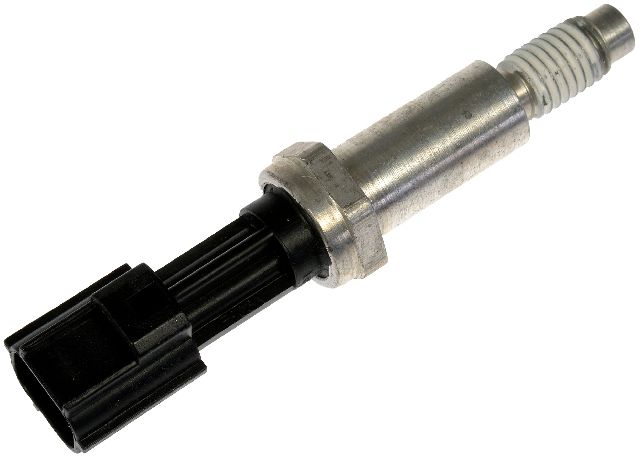
It is very important to know that your 2001-2009 Mazda B2300 with the 2.3L engine does not use a typical Engine Coolant Temperature (ECT) sensor that sits in coolant. It uses a Cylinder Head Temperature (CHT) sensor that measures the temperature of the engine's metal head directly. The truck's computer then infers the coolant temperature from this reading. When shopping for this part, ensure you are buying a CHT sensor, as a standard ECT sensor will not work.
Location Confusion: CHT Sensor vs. Thermostat
The CHT sensor is located on top of the engine, between the spark plugs for cylinders #2 and #3. It is often confused with the thermostat housing, which is in a very difficult-to-reach position on the back of the engine near the firewall. Confirm you are working on the correct part; replacing the CHT sensor is a simple job, while replacing the thermostat is much more involved.
Symptoms of a Failing CHT Sensor
When the CHT sensor fails, it sends incorrect data to the engine computer, which can cause a variety of problems. You may notice one or more of the following issues:
- Check Engine Light: A faulty CHT sensor will almost always trigger a check engine light. Common trouble codes include P1299 (Cylinder Head Overtemperature Protection Active), P1289 (CHT Sensor Signal Out of Range), P0117 (Sensor Circuit Low), and P0118 (Sensor Circuit High).
- Erratic Temperature Gauge: The temp gauge on your dashboard may swing back and forth, stay on cold, or jump to hot right after starting the engine.
- Poor Engine Performance: Your truck may feel down on power, run rough, or hesitate during acceleration. In some cases, the computer will activate a "fail-safe" mode to protect the engine, which limits engine power.
- Reduced Fuel Economy: If the sensor incorrectly tells the computer the engine is cold, the computer will enrich the fuel mixture, causing you to use more gas.
- Black Smoke from Exhaust: A consistently rich fuel mixture can result in unburned fuel being expelled through the exhaust as black smoke.
Choosing the Right Aftermarket CHT Sensor
Since the OEM part is from Ford/Motorcraft, a quality aftermarket sensor can offer good value. However, quality can vary between brands, especially with electronic components.
- Premium Aftermarket (e.g., Standard Ignition): Brands like Standard Ignition (SMP) have a strong reputation for producing reliable electronic parts that meet or exceed OE specifications. For a critical sensor like the CHT, this is a dependable choice.
- Standard Aftermarket (e.g., Motorad, Global Parts): These brands offer a balance of quality and value. They are designed as direct-fit replacements and are tested to function like the original part. They are a suitable option for most repairs.
- Budget Aftermarket (e.g., Dorman): Dorman is well-known and sometimes engineers parts that are an improvement over the original design. However, their reputation for standard electronic sensors is mixed, with some users reporting a shorter lifespan. This could be a budget-friendly choice, but be aware of the potential for inconsistent quality.
Installation Tip: You Need a Special Socket
To remove and install the CHT sensor on the B2300, you will need a special deep 19mm socket designed for sensors. A standard deep well socket is not deep enough to fit over the sensor's plastic connector. Using the wrong tool can easily break the new sensor.
Cost of Replacing the CHT Sensor
Below are typical cost ranges for replacing the CHT sensor on a 2001-2009 Mazda B2300. Labor costs are low because the sensor is easily accessible on top of the engine.
| Part/Service | Estimated Cost |
|---|---|
| New Aftermarket Part | $30 - $43 |
| New OEM (Motorcraft) Part | $50 - $80 |
| Shop Labor | $50 - $100 |
| Total Estimated Cost | $80 - $143 |
Frequently Asked Questions (FAQ)
Where is the CHT sensor located on the 2001-2009 Mazda B2300?
The CHT sensor is located on the top of the engine's cylinder head, positioned between the spark plugs for cylinder #2 and cylinder #3. You will need to remove the central plastic engine cover to see it.
Can I replace this sensor myself?
Yes, this is a good job for a DIY mechanic. The sensor is easy to access. The only special requirement is a deep 19mm sensor socket to properly remove the old sensor and install the new one without damaging it.
Can I drive my B2300 with a bad CHT sensor?
You can drive for short distances, but it is not recommended. The engine computer may enter a fail-safe mode with reduced power, and you will experience poor performance and fuel economy. Most importantly, the temperature gauge will be unreliable, and you risk engine damage if the truck actually overheats.
What is the difference between a CHT sensor and an ECT sensor?
A CHT (Cylinder Head Temperature) sensor measures the temperature of the engine's metal, while an ECT (Engine Coolant Temperature) sensor measures the temperature of the engine coolant directly. Your B2300's 2.3L engine uses a CHT sensor to infer coolant temperature, which is a key difference from many other vehicles.
Technical Specifications
OEM Part Numbers: L3H518840 1FAA18707A 1S7F6G004AB
Location: Top of cylinder head, between spark plugs #2 and #3. Socket Size: 19mm Deep Sensor Socket.
We Have This Part in Stock



The information in this article is provided for general reference and educational purposes only. Vehicle specifications, procedures, and part compatibility can vary by production date, trim level, and region. Always consult your vehicle's factory service manual and verify part numbers before purchasing or performing repairs. Safety-critical components such as airbags, seat belts, and braking systems should be installed by a qualified professional.
- Mazda B2300:
- 🛍️ Shop This Part
- Understanding the CHT Sensor on Your Mazda B2300
- Location Confusion: CHT Sensor vs. Thermostat
- Symptoms of a Failing CHT Sensor
- Choosing the Right Aftermarket CHT Sensor
- Installation Tip: You Need a Special Socket
- Cost of Replacing the CHT Sensor
- Frequently Asked Questions (FAQ)
- 🎟️ Get 5% Off