

Toyota Highlander Starter Motor Guide (2001-2009)
Everything you need to know before replacing the starter on your first-generation Highlander.
- Starter replacement on the 4-cylinder Highlander is much easier than on the V6 models.
- Always test the battery and check for clean, tight connections before replacing the starter, as symptoms can be similar.
- A single, loud click is a classic sign of a failed starter motor, while rapid clicking often points to a weak battery.
- New aftermarket brands like ACDelco and MPA offer a reliable and cost-effective alternative to more expensive OEM parts.
Is Your Highlander Refusing to Start?
A dead starter is one of the most common reasons a 2001-2009 Toyota Highlander won't start. When you turn the key, you might hear a single, loud click, a rapid series of clicks, or nothing at all. These are classic signs that the starter motor has failed. Before you condemn the starter, always make sure your battery is fully charged and the terminals are clean and tight. A weak battery can mimic the symptoms of a bad starter.
Known Issues and Recalls
No Specific Recalls or TSBs: Our search of the National Highway Traffic Safety Administration (NHTSA) database and Technical Service Bulletins (TSBs) for the 2001-2009 Toyota Highlander did not find any specific recalls or widespread issues related to the starter motor itself. Failures are typically due to normal wear and tear over time. The most common failure point is often the solenoid contacts, which can wear out and prevent power from reaching the starter motor.
Choosing the Right Aftermarket Starter
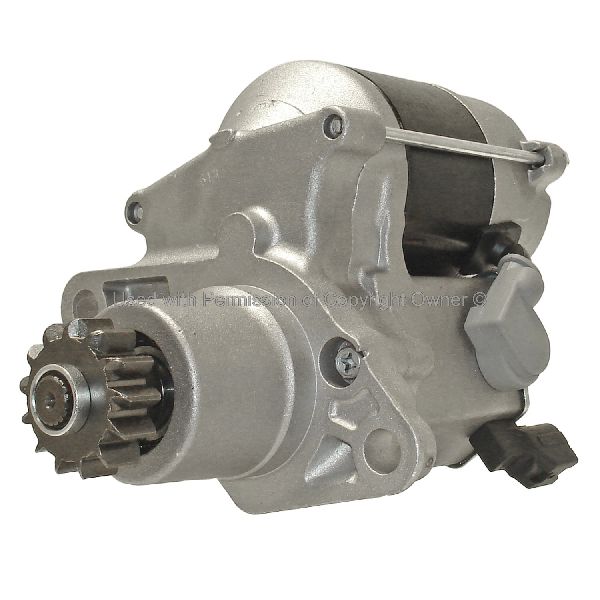
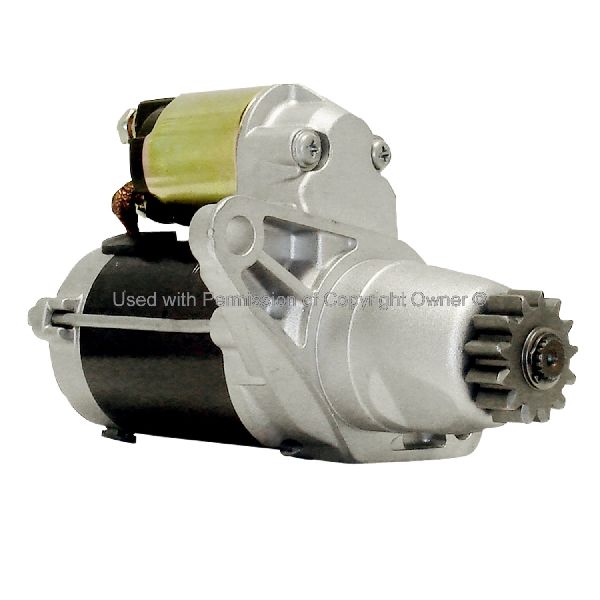
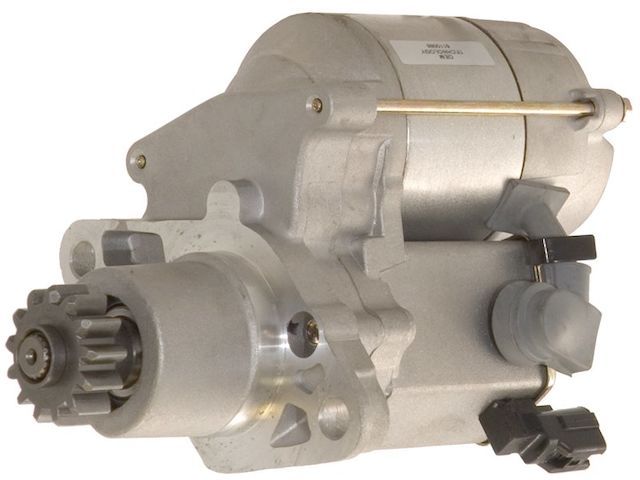
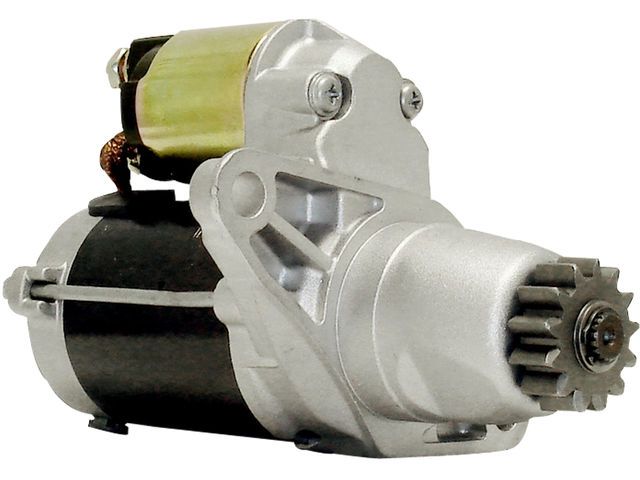
When replacing the starter, you have a few options. The original starter on your Highlander was made by Denso, a top-tier OEM supplier. While a new OEM Denso starter offers the best guarantee of quality and longevity, new aftermarket starters from reputable brands provide a cost-effective alternative without a significant compromise in performance for most drivers.
- Premium Aftermarket (e.g., ACDelco): Brands like ACDelco offer new starters built to meet or exceed original specifications. They use all-new components and are rigorously tested for fit and function. These are a solid choice for a reliable, long-lasting repair.
- Standard Aftermarket (e.g., MPA): Motorcar Parts of America (MPA) is a large manufacturer of both new and remanufactured starters. Their new parts are designed to be a direct-fit replacement and offer good value, making them a popular choice for budget-conscious repairs.
Pro Tip: For the V6 Highlander, the starter is located under the battery and battery tray, making it more difficult to access than on the 4-cylinder models. The 4-cylinder starter is located on top of the transmission and is considered one of the easiest starter jobs to perform. Keep this labor difference in mind when getting quotes.
Cost of Replacing a Highlander Starter
| Part/Service | Estimated Cost |
|---|---|
| New Aftermarket Starter | $96.63 - $214.74 |
| Shop Labor | $128 - $188 |
| Total Professional Replacement | $225 - $403 (Aftermarket) |
Costs are estimates and can vary based on your location and the specific parts chosen. The labor estimate is for a straightforward replacement and may be higher for V6 models due to increased complexity.
Frequently Asked Questions
Can I replace the Highlander starter myself?
Yes, this is a DIY-feasible job, but the difficulty varies greatly by engine. For the 4-cylinder (2.4L) engine, the starter is easily accessible on top of the transmission, making it a relatively simple job for a home mechanic. For the V6 (3.0L & 3.3L) engines, the starter is located under the battery and its tray, requiring more disassembly and time. Always disconnect the negative battery terminal before starting work.
What's the difference between a new aftermarket and a remanufactured starter?
A new aftermarket starter is built from 100% new components. A remanufactured starter has been disassembled, cleaned, and had its worn or failed components replaced with new ones before being reassembled and tested. Both can be reliable options, but a new starter often provides extra peace of mind as every part is brand new.
Is a clicking sound always a bad starter?
Not always. A rapid clicking sound often points to a weak or dead battery that doesn't have enough power to turn the starter motor. A single, loud click usually indicates that the starter solenoid is working, but the motor itself is failing to turn. Always test your battery first before replacing the starter.
How long should a new starter last?
A quality new aftermarket starter should last for many years and tens of thousands of miles, often for the remaining life of the vehicle. Longevity depends on the quality of the part, driving conditions (frequent starts wear it out faster), and ensuring the battery and electrical connections are in good shape.
Technical Specifications
OEM Part Numbers: 28100-20020 28100-0A011 28100-28041 28100-74260 28100-0A011-84
Voltage: 12V. Power Output: 1.4kW - 1.7kW depending on engine and model year. Rotation: Clockwise.
We Have This Part in Stock

The information in this article is provided for general reference and educational purposes only. Vehicle specifications, procedures, and part compatibility can vary by production date, trim level, and region. Always consult your vehicle's factory service manual and verify part numbers before purchasing or performing repairs. Safety-critical components such as airbags, seat belts, and braking systems should be installed by a qualified professional.
- Toyota Highlander: